English
 Español
  Português
  русский
  Français
  日本語
日本語  Deutsch
  tiếng Việt
  Italiano
  Nederlands
  ภาษาไทย
  Polski
  한국어
한국어  Svenska
  magyar
  Malay
Malay  বাংলা ভাষার
  Dansk
Dansk  Suomi
Suomi  हिन्दी
  Pilipino
  Türkçe
  Gaeilge
  العربية
  Indonesia
  Norsk
Norsk  تمل
تمل  český
český  ελληνικά
  український
  Javanese
  فارسی
فارسی  தமிழ்
தமிழ்  తెలుగు
  नेपाली
  Burmese
  български
  ລາວ
ລາວ  Latine
  Қазақша
  Euskal
  Azərbaycan
  Slovenský jazyk
  Македонски
  Lietuvos
  Eesti Keel
  Română
  Slovenski
  मराठी
मराठी  Srpski језик

Call Us
+86-15768259626
Email Us
coco@zyepower.com

Industry News
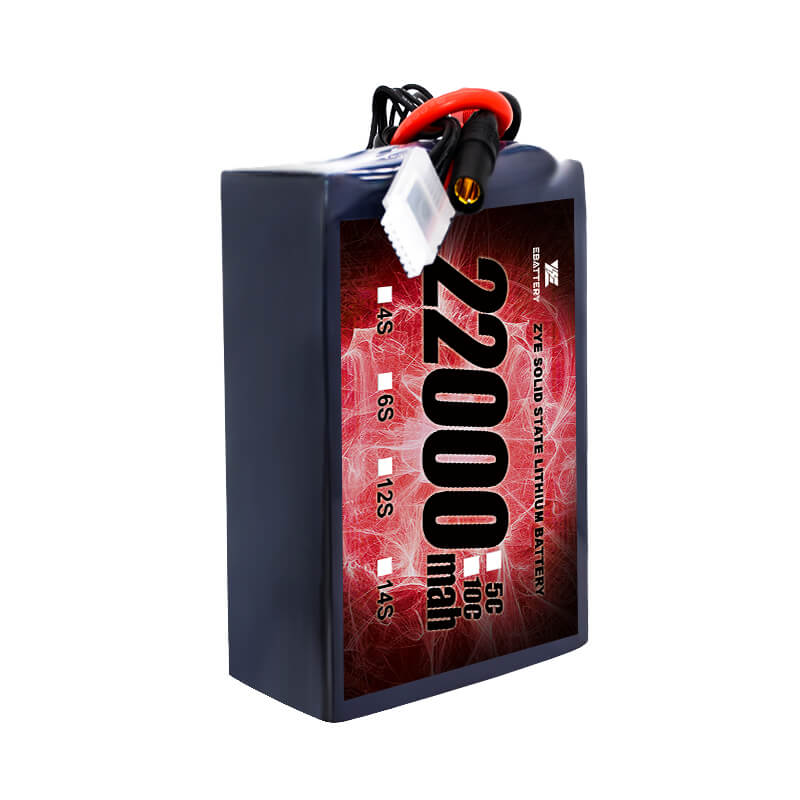
Max Out FPV Speed: Choose the Right 6S Lipo Battery for Racing
The gate beeps, you punch the throttle, and for a split second, nothing happens. Your quad feels heavy, sluggish, like it’s stuck in mud. Or worse, you’re screaming down the straight, and halfway through, the power just… vanishes. Your voltage sags, and you watch your buddies blow past you.
View DetailsSolid State Drone Battery Tech: How It Elevates UAV Flight Safety
You’re reviewing footage from a high-value survey mission, or you’re halfway through a critical infrastructure inspection. You land, and your battery is hotter than you’d like. Maybe there’s the slightest hint of swelling. Your mind races: “Is this thing safe to charge? What if it fails next time?”
View Details5 Tricks to Extend Your Lipo Drone Battery’s Lifespan & Performance
When you buy a new Lipo drone battery, and for the first dozen flights, it’s amazing. Punchy, reliable, and delivering every second of flight time promised. Then, slowly, things change. The flight timer starts shrinking, the battery feels puffy, and that sharp performance fades. Replacing packs cons......
View Details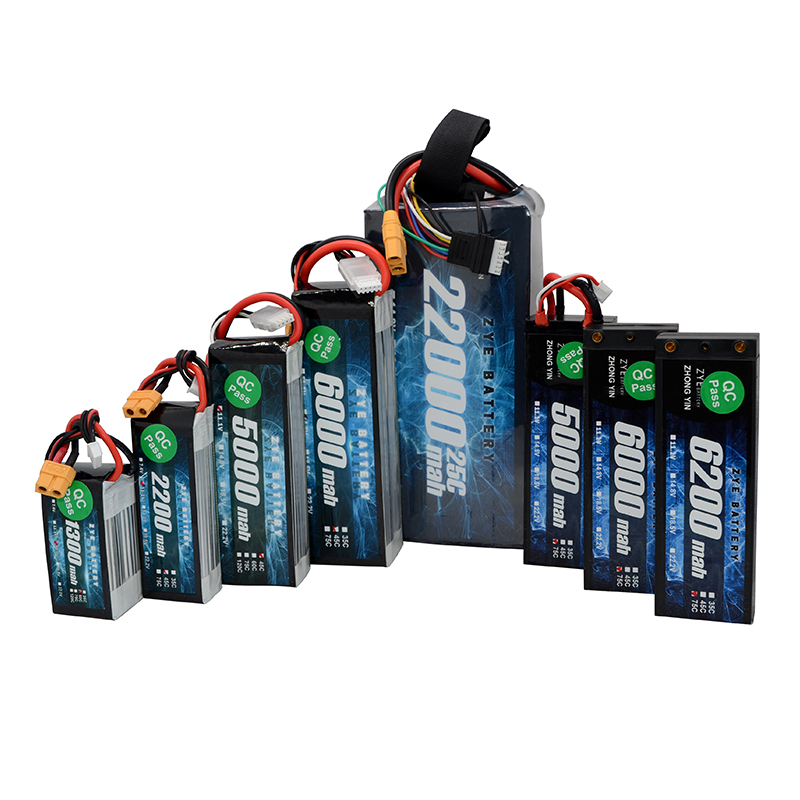
High Voltage UAV Battery Guide: Match to Your Drone’s Power Needs
Thinking about switching to a high voltage UAV battery? It’s not just the latest trend—it’s a solid engineering move for squeezing more performance out of your platform. But here’s the catch: slapping any high-voltage pack into your drone isn’t a magic fix. In fact, getting it wrong can lead to frie......
View Details
Li Polymer Drone Battery Buying Hacks: Original Factory vs Generic Options
You need a new battery, you hop online, and suddenly you're staring at two options. One is the original factory Li polymer drone battery that matches your UAV model. The other is a generic LiPo with similar specs for half the price. Your cursor hovers. Is that cheaper pack a smart hack or a hidden t......
View Details
How to Pick the Best Solid State UAV Battery: High Energy & Safety Tips
Smart move. The buzz is real—everyone’s talking about longer flights and no-fire safety. But let's be practical. Between the hype and the technical specs, how do you actually choose the right one for your operation? It's not like picking a traditional LiPo off a shelf. You're evaluating the next gen......
View Details


X
We use cookies to offer you a better browsing experience, analyze site traffic and personalize content. By using this site, you agree to our use of cookies.
Privacy Policy
News
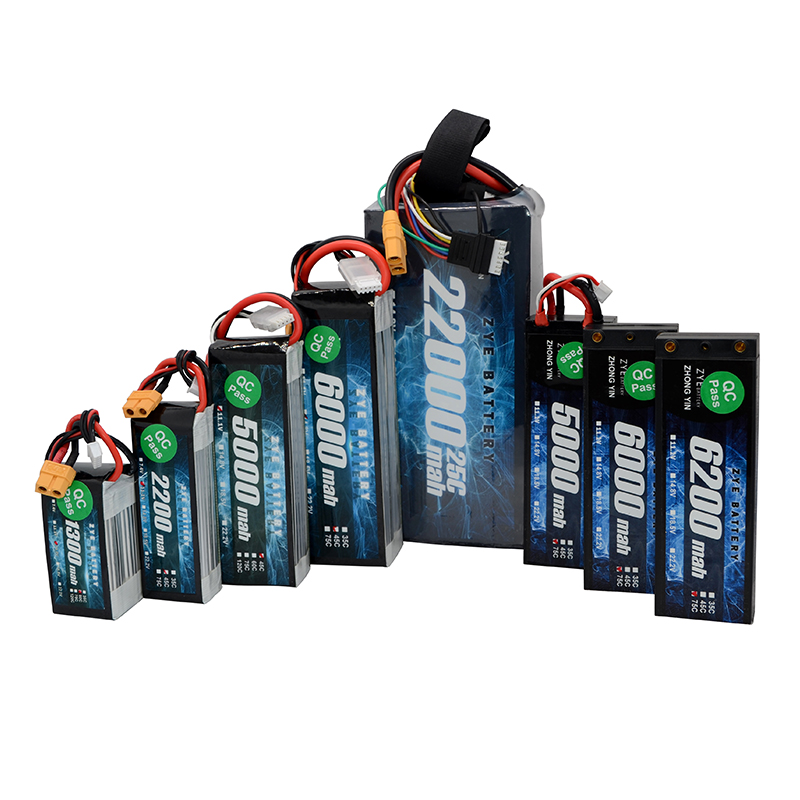 How to build a drone lipo battery pack?2025/08/28