English
 Español
  Português
  русский
  Français
  日本語
日本語  Deutsch
  tiếng Việt
  Italiano
  Nederlands
  ภาษาไทย
  Polski
  한국어
한국어  Svenska
  magyar
  Malay
Malay  বাংলা ভাষার
  Dansk
Dansk  Suomi
Suomi  हिन्दी
  Pilipino
  Türkçe
  Gaeilge
  العربية
  Indonesia
  Norsk
Norsk  تمل
تمل  český
český  ελληνικά
  український
  Javanese
  فارسی
فارسی  தமிழ்
தமிழ்  తెలుగు
  नेपाली
  Burmese
  български
  ລາວ
ລາວ  Latine
  Қазақша
  Euskal
  Azərbaycan
  Slovenský jazyk
  Македонски
  Lietuvos
  Eesti Keel
  Română
  Slovenski
  मराठी
मराठी  Srpski језик

Call Us
+86-15768259626
Email Us
coco@zyepower.com

Is a 3S or 6S Lipo Battery Better for FPV Beginners?
For most FPV beginners, a 3S or 4S LiPo is usually the better starting point, while 6S is more suitable once you can already control throttle, orientation, and basic acro confidently.
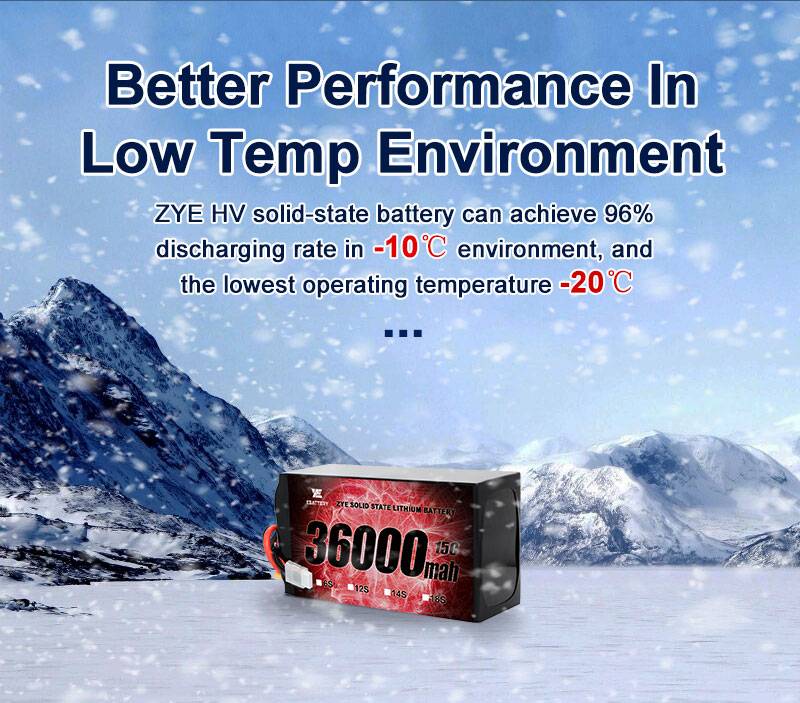
3S LiPo: smoother learning curve for new pilots
A 3S LiPo battery (11.1 V nominal) delivers less voltage and therefore less raw power to the motors than a 6S pack.
This lower power level makes the quad more forgiving when you over‑shoot the throttle or panic‑punch, which is exactly what happens when you are learning line of sight and FPV basics.
For beginners, 3S offers clear advantages:
Easier to control: Slower acceleration and lower top speed mean more time to react.
Lower stress on components: Motors and ESCs run cooler, reducing failures from bad PID tuning or crashes.
Lower cost: 3S packs, chargers, and electronics are generally cheaper, which matters when you are still crashing often.
For small 3–4 inch trainers and park flyers, 3S is usually enough to make FPV fun without being overwhelming.
6S LiPo: more power, more speed, more responsibility
A 6S LiPo battery (22.2 V nominal) doubles the voltage of a 3S pack at the same cell count, giving the motors significantly more potential RPM and current draw.
On 5‑inch frames especially, 6S has become the “standard” for modern racing and freestyle because it can deliver much stronger punch‑outs and a flatter power curve through the whole pack.
However, for beginners this brings trade‑offs:
Much higher power: Tiny stick movements can cause big jumps in thrust, which makes early flights harder to manage.
Faster crashes: More speed means harder impacts and more broken parts when you make typical beginner mistakes.
Higher system cost: 6S‑rated motors, ESCs, and chargers are more expensive; mistakes in wiring or charging are also less forgiving.
6S shines when you already know how to fly acro and want more headroom for racing or aggressive freestyle—not when you are still learning basic orientation.
How to decide: 3S vs 6S for FPV beginners
You can guide readers through a simple decision framework in your ZYEBATTERY blog:
Choose 3S if:
You are flying a small 3–4 inch trainer or whoop‑style frame.
You are brand new to FPV or acro and mainly practicing in a field or park.
Your top priority is learning control and managing crashes without spending a lot.
Consider 4S as an intermediate step if:
You want a bit more performance but still don’t feel ready for full 6S power.
You are moving to a 5‑inch quad but want a softer, more manageable feel.
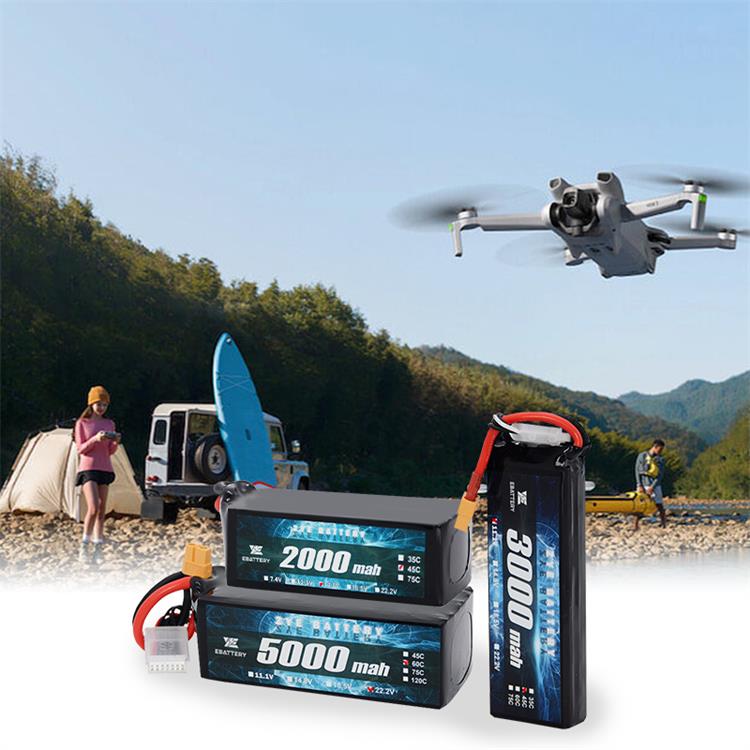
Move to 6S when:
You can already fly acro comfortably in the simulator and in real life.
You are building a 5‑inch racing or freestyle quad with 6S‑rated motors and ESCs.
You want more punch, better efficiency, and a flatter power curve for serious flying.
Always remind beginners that motors and ESCs must match the battery voltage; running a 3S‑rated setup on 6S can destroy components instantly.
Send Inquiry



X
We use cookies to offer you a better browsing experience, analyze site traffic and personalize content. By using this site, you agree to our use of cookies.
Privacy Policy
News
 How to build a drone lipo battery pack?2025/08/28