English
 Español
  Português
  русский
  Français
  日本語
日本語  Deutsch
  tiếng Việt
  Italiano
  Nederlands
  ภาษาไทย
  Polski
  한국어
한국어  Svenska
  magyar
  Malay
Malay  বাংলা ভাষার
  Dansk
Dansk  Suomi
Suomi  हिन्दी
  Pilipino
  Türkçe
  Gaeilge
  العربية
  Indonesia
  Norsk
Norsk  تمل
تمل  český
český  ελληνικά
  український
  Javanese
  فارسی
فارسی  தமிழ்
தமிழ்  తెలుగు
  नेपाली
  Burmese
  български
  ລາວ
ລາວ  Latine
  Қазақша
  Euskal
  Azərbaycan
  Slovenský jazyk
  Македонски
  Lietuvos
  Eesti Keel
  Română
  Slovenski
  मराठी
मराठी  Srpski језик

Call Us
+86-15768259626
Email Us
coco@zyepower.com

Are Solid State Drone Battery Packs Ideal for FPV Racing?
Solid state drone battery packs are promising for FPV racing, but today they are not a one‑for‑one replacement for high‑C LiPo packs if your goal is maximum punch, ultra‑fast response, and lowest weight per amp.
What FPV racing really demands from a battery
FPV racing batteries live a very different life compared with long‑range or commercial UAV packs.
Racers need brutal burst current for split‑second throttle changes, not just long flight time.
Voltage must stay as stiff as possible under huge current spikes, or the quad feels “soft” and sags on punch‑outs.
Weight is critical; every extra gram slows acceleration and hurts agility.
Packs are treated as consumables: many pilots accept shorter cycle life in exchange for raw performance.
That is why high‑C LiPo packs (often 75C–150C claims) still dominate FPV racing setups.
Where solid state drone batteries shine
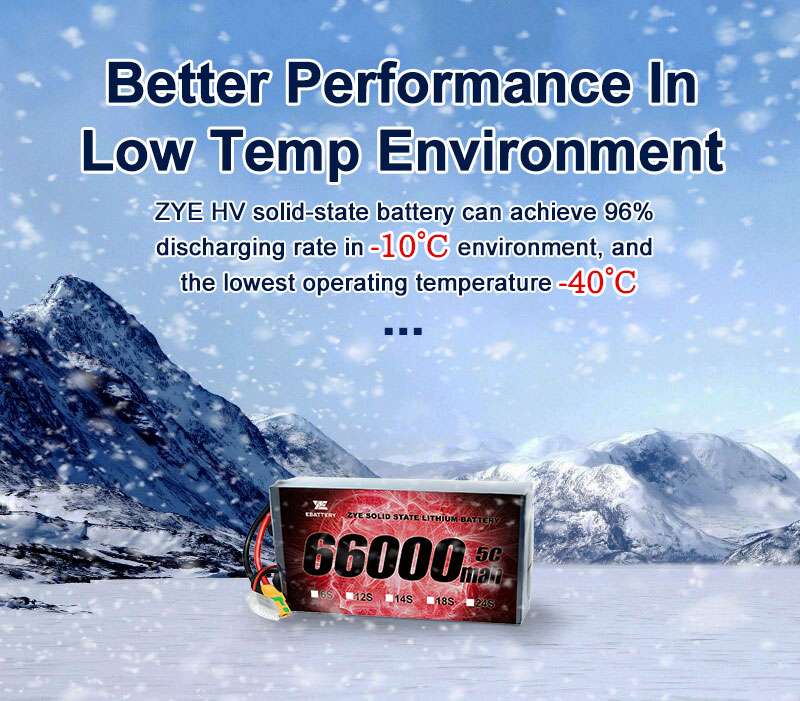
High‑energy solid state and semi‑solid state packs were designed primarily for endurance and safety.
They offer much higher energy density than standard LiPo, so the same weight can store more watt‑hours and extend flight time.
The solid or semi‑solid electrolyte structure improves safety, reducing fire risk from punctures, crashes, or internal shorts.
They usually deliver longer cycle life and better performance in extreme temperatures, which is attractive for commercial and industrial drones.
In test flights and demos, switching from LiPo to solid state packs of equal weight has delivered noticeably longer flight times on multirotors.
The trade‑offs for FPV racing use
For pure FPV racing, however, solid state drone battery packs come with trade‑offs:
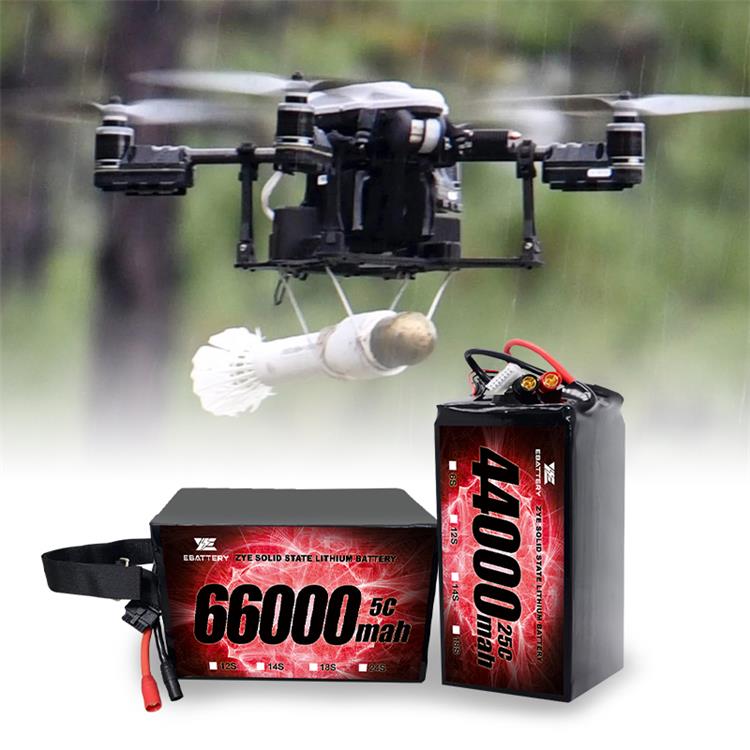
Many current solid state or semi‑solid packs are optimized for moderate C‑rates (for endurance and long‑range), not the huge burst currents that racing quads routinely pull.
Even when they advertise decent discharge capability (for example around 5–10C continuous), that is still far below what top‑end FPV LiPo packs are designed to deliver.
The benefit you gain—more total watt‑hours per gram—often shows up as longer flight time, not as sharper throttle response or faster lap times.
For casual or “cinelifter” style flying where smoothness and duration matter more than all‑out power, solid state packs can make sense. For tight racing tracks and aggressive freestyle, most pilots will still prefer a high‑C LiPo pack tuned to their build.
When solid state packs might be “ideal”
There are a few FPV scenarios where solid state drone batteries could be a smart choice:
Long‑range or cruising FPV wings where endurance and safety are more important than extreme punch‑outs.
FPV setups flown in public or sensitive areas where reduced fire risk and better thermal behavior are worth more than a marginal performance edge.
Pilots who value longer cycle life and fewer swollen packs, even if raw C‑rating is lower than their hottest LiPo options.
In these cases, high‑energy semi‑solid or solid state packs can deliver a more relaxed, longer, and safer FPV experience.
Send Inquiry



X
We use cookies to offer you a better browsing experience, analyze site traffic and personalize content. By using this site, you agree to our use of cookies.
Privacy Policy
News
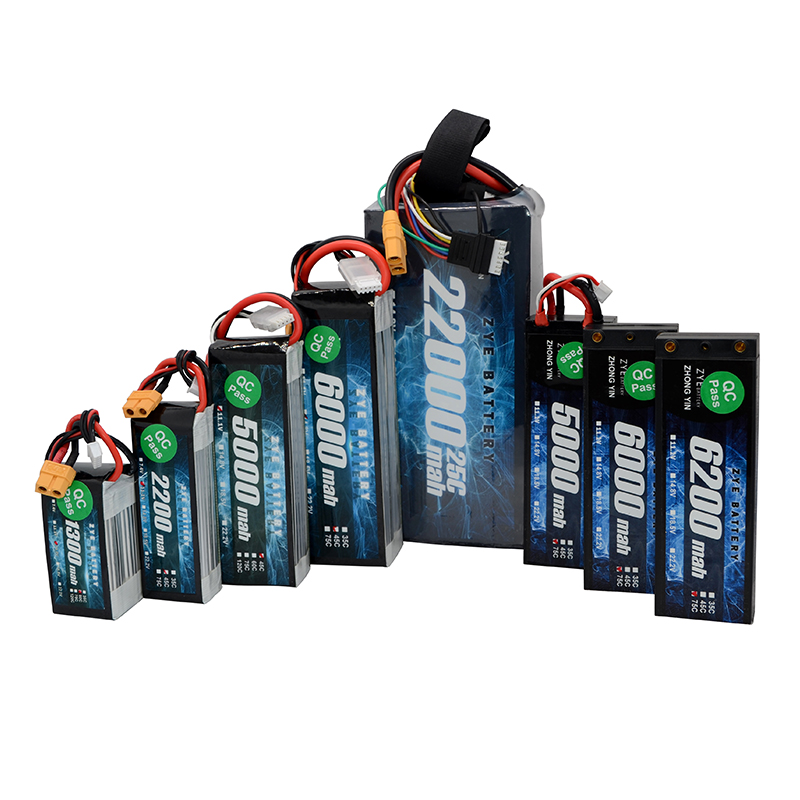 How to build a drone lipo battery pack?2025/08/28