English
 Español
  Português
  русский
  Français
  日本語
日本語  Deutsch
  tiếng Việt
  Italiano
  Nederlands
  ภาษาไทย
  Polski
  한국어
한국어  Svenska
  magyar
  Malay
Malay  বাংলা ভাষার
  Dansk
Dansk  Suomi
Suomi  हिन्दी
  Pilipino
  Türkçe
  Gaeilge
  العربية
  Indonesia
  Norsk
Norsk  تمل
تمل  český
český  ελληνικά
  український
  Javanese
  فارسی
فارسی  தமிழ்
தமிழ்  తెలుగు
  नेपाली
  Burmese
  български
  ລາວ
ລາວ  Latine
  Қазақша
  Euskal
  Azərbaycan
  Slovenský jazyk
  Македонски
  Lietuvos
  Eesti Keel
  Română
  Slovenski
  मराठी
मराठी  Srpski језик

Call Us
+86-15768259626
Email Us
coco@zyepower.com

Which High-C Lipo Batteries Improve FPV Acceleration Fastest?
For FPV pilots chasing harder punch‑outs and quicker throttle response, the “best” high‑C LiPo is the pack that can deliver big burst current with minimal voltage sag, at the lowest possible weight for your quad’s size.
How high‑C LiPo batteries affect FPV acceleration
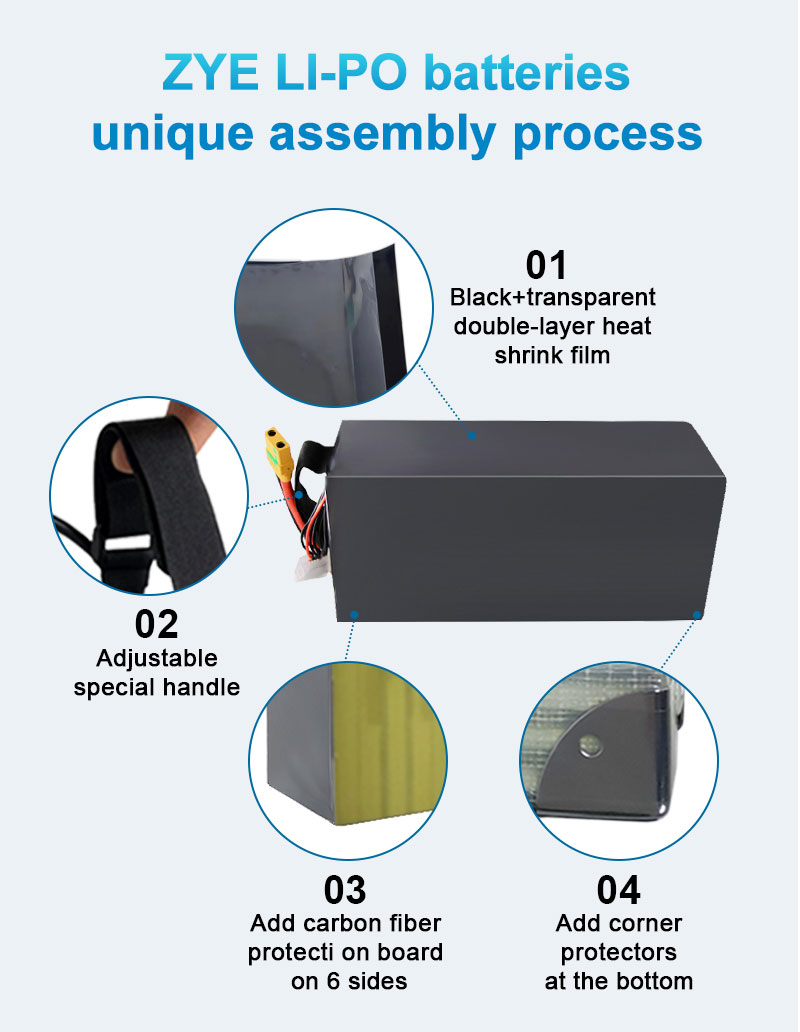
When you hit the throttle, your motors demand a huge surge of current. A high‑C LiPo battery improves acceleration by:
Allowing higher safe current draw: Maximum current is roughly capacity (in Ah) × C‑rating, so a 1300 mAh pack rated at 100C can theoretically deliver up to 130 A in bursts.
Reducing voltage sag: Packs with genuinely low internal resistance hold voltage higher during these current spikes, which keeps motor RPM and thrust up.
Maintaining power deeper into the flight: Because voltage stays higher for longer at the same current draw, the quad feels “punchy” until you land, not just for the first 30 seconds.
Pilots experience this as a drone that reacts instantly to stick inputs and rockets out of corners instead of bogging down when they demand power.
What “high‑C” actually means in the air
Label C‑ratings are often optimistic; what matters more is real performance and internal resistance.
For FPV racing and aggressive freestyle:
A quality pack in the 80C–120C class (realistic, not just on the label) usually gives a noticeable jump in acceleration compared with lower‑C packs.
Tests and pilot feedback show that higher‑C packs deliver less sag at the same current, so for a given motor/prop setup you see higher effective voltage and faster spool‑up.
Very high C‑ratings can add weight because of thicker plates and more robust construction, so there is a balance between discharge capability and mass.
In your article, it’s effective to explain that the fastest‑accelerating LiPo is not just “the one with the biggest C number,” but the pack with the best ratio of real discharge capability to weight.
Ideal high‑C LiPo profiles by FPV class
Instead of naming competitors, you can describe the ideal high‑C LiPo profiles ZYEBATTERY targets for acceleration:
5‑inch racing and freestyle (4S or 6S)
Capacity: roughly 900–1300 mAh for 5‑inch quads.
C‑rating: 80C+ nominal, with real‑world testing showing low IR and strong burst current.
Goal: maximum punch with manageable weight for sub‑700 g AUW builds.
3–4 inch performance builds
Capacity: about 400–900 mAh depending on frame and voltage.
C‑rating: high‑C packs tuned for sharp throttle changes on light quads.
Goal: ultra‑responsive feel without over‑weighting the frame.
Cinewhoops and power‑hungry HD rigs
Slightly larger capacities but still high‑C so they can lift ducts, cameras, and HD links without feeling sluggish.
Across all classes, the message is simple: pick the lightest pack that still comfortably meets your maximum current demands, with a genuine high‑C chemistry.
How to evaluate if a high‑C pack really improves acceleration
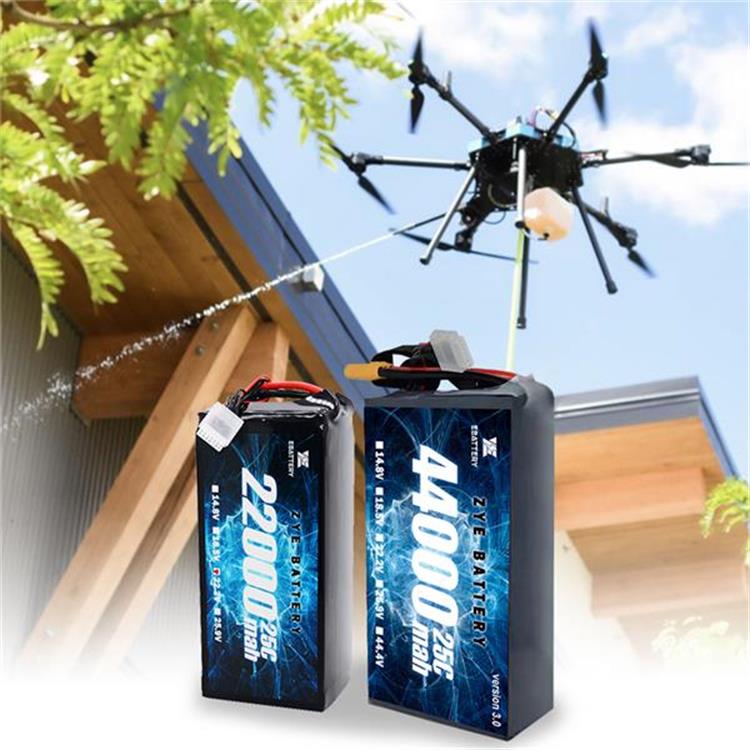
Check calculated current: Estimate your quad’s maximum current draw and make sure your LiPo (capacity × C‑rating) comfortably exceeds it.
Watch voltage logs: If your OSD or blackbox shows heavy sag on punch‑outs, moving to a higher‑C or lower‑IR pack will usually sharpen acceleration.
Compare pack temperatures: After hard flights, a pack that comes down cooler at the same style is generally handling current better, which supports stronger, repeatable acceleration.
This moves the conversation from marketing labels to measurable performance.
Send Inquiry



X
We use cookies to offer you a better browsing experience, analyze site traffic and personalize content. By using this site, you agree to our use of cookies.
Privacy Policy
News
 How to build a drone lipo battery pack?2025/08/28