English
 Español
  Português
  русский
  Français
  日本語
日本語  Deutsch
  tiếng Việt
  Italiano
  Nederlands
  ภาษาไทย
  Polski
  한국어
한국어  Svenska
  magyar
  Malay
Malay  বাংলা ভাষার
  Dansk
Dansk  Suomi
Suomi  हिन्दी
  Pilipino
  Türkçe
  Gaeilge
  العربية
  Indonesia
  Norsk
Norsk  تمل
تمل  český
český  ελληνικά
  український
  Javanese
  فارسی
فارسی  தமிழ்
தமிழ்  తెలుగు
  नेपाली
  Burmese
  български
  ລາວ
ລາວ  Latine
  Қазақша
  Euskal
  Azərbaycan
  Slovenský jazyk
  Македонски
  Lietuvos
  Eesti Keel
  Română
  Slovenski
  मराठी
मराठी  Srpski језик

Call Us
+86-15768259626
Email Us
coco@zyepower.com

Do Li-Polymer Drone Batteries Last Longer Than Generic Lithium?
When you're picking batteries for a drone, one question keeps coming up: do Li-Polymer (LiPo) packs outlast those generic lithium-ion ones you see everywhere? The short answer is no—not across the board. High-quality LiPo batteries from drone-focused makers tend to hold up better in real UAV work than cheap generic lithium cells, but it depends a lot on how you use them and what "generic" really means.
Let's break it down without the tech jargon. "Generic lithium" usually points to basic cylindrical lithium-ion batteries—like 18650s or off-the-shelf rechargeables—not built for the high-drain world of drones. LiPo batteries, on the other hand, are pouch-style packs designed from the ground up for power-hungry RC and UAV applications.
Cycle Life: Where LiPo Shines in Drones
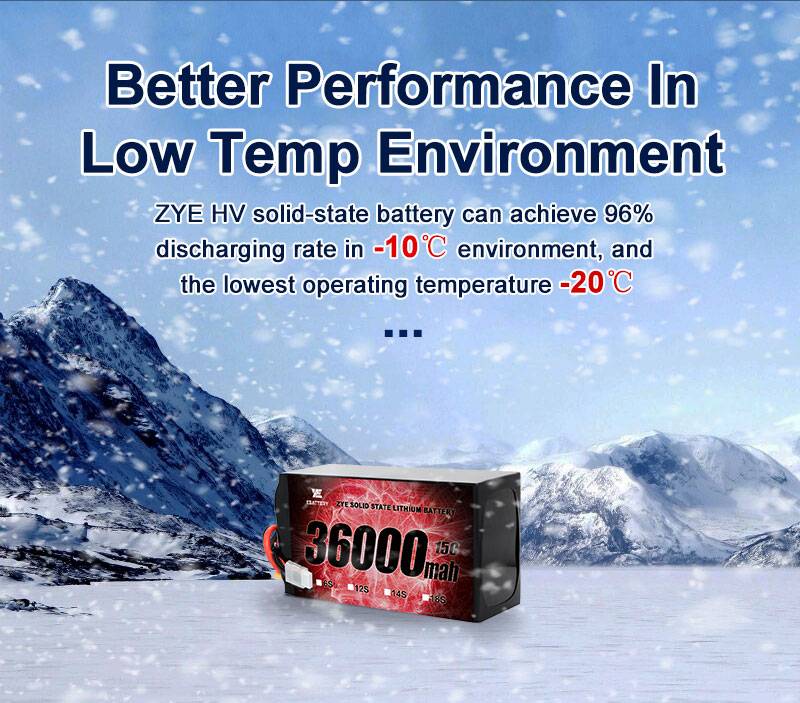
Cycle life—how many full charges and discharges before the battery drops to 80% capacity—is the big measure here. For drones, a good LiPo pack often handles 200-400 cycles if you treat it right. That's plenty for most hobbyists and even pros flying a few times a week.
Generic lithium-ion cells? They might claim 500+ cycles on paper, but in drone setups, they often fall short. Why? Drones pull massive current bursts—think 50C or more during takeoff or flips. Cheap lithium-ion packs aren't made for that; their internals heat up, degrade faster, and puff out after just 100-200 hard cycles. A solid LiPo from a drone specialist, like those at ZYEBATTERY, uses cells tuned for exactly this abuse, so they keep delivering consistent power longer.
Real-World Drone Stress Makes the Difference
Drones aren't gentle on batteries. You're dealing with vibration, crashes, temperature swings, and deep discharges. LiPo's flexible pouch design flexes without cracking, and high-end ones have beefier separators that resist the dendrite growth that kills generic cells early.
Take a typical 6S 1300mAh FPV pack. A quality LiPo might give you 300 solid cycles before noticeable fade, while a generic lithium-ion swap-in could sag voltage by lap three and die after 150. For long-range mapping drones, premium LiPo still edges out generics because it maintains flat discharge curves under load—meaning more usable flight time per charge, cycle after cycle.
The Catch: Proper Care is Non-Negotiable
Here's the real talk—LiPo batteries don't "last longer" if you mistreat them. Over-discharge to below 3.2V per cell, store at full charge in a hot garage, or skip balancing, and even the best pack will balloon and quit fast. Generic lithium might seem tougher because it's often in a hard case, but that hides poor performance until it suddenly fails.
Follow basics like storage at 3.8V, balance charging, and cool-down after flights, and LiPo wins the longevity game for drone pilots. ZYEBATTERY builds theirs with low-IR cells and smart BMS options precisely for this, stretching life without skimping on punch.
Cost Per Flight: Why LiPo Often Saves Money Long-Term
Upfront, generic lithium looks cheaper—$20 for a pack versus $40 for drone-grade LiPo. But factor in replacements? LiPo's extra cycles drop your cost per flight way down. Fly 10 minutes per outing on a 300-cycle LiPo, and you're golden for months. That generic pack burning out twice as fast? You're back to square one sooner, with downtime and crash risks from weak power.
When Generic Lithium Might Edge Out
Not every drone is a speed demon. For ultra-long endurance flights on fat fixed-wings, a well-made cylindrical lithium-ion (not the bargain-bin stuff) can sip power better, squeezing out more cycles. But for 90% of multirotors, quads, and FPV rigs? LiPo's power density and drone-optimized chemistry keep it ahead.
Bottom Line for Drone Builders
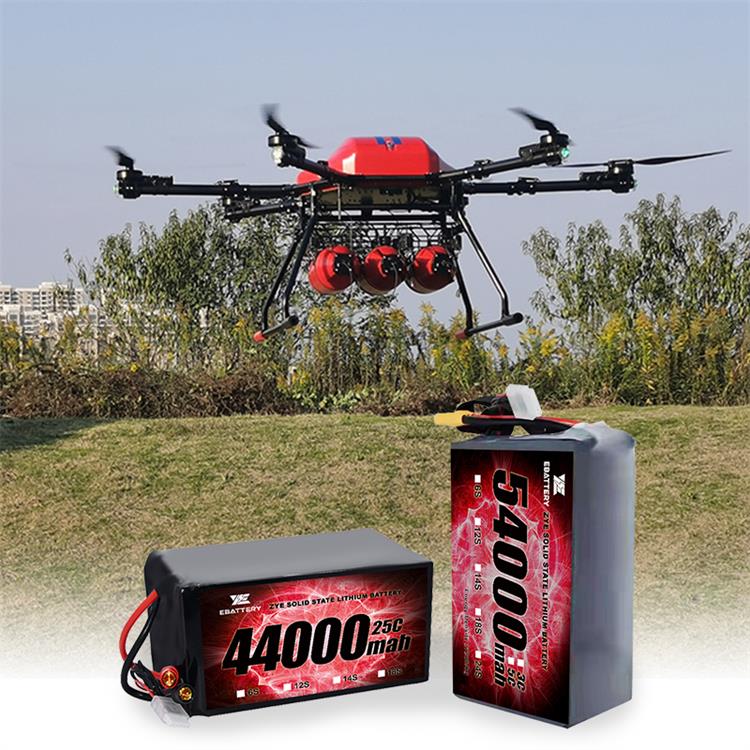
Li-Polymer drone batteries do last longer than generic lithium in the applications that matter—high-performance UAV flights. They're engineered for the drain rates, abuse, and efficiency drones demand, delivering more reliable cycles where it counts. At ZYEBATTERY, we craft high-performance LiPo alongside solid-state lithium-ion options, so whether you're racing, filming, or surveying, you get packs that stay strong longer.
Ready to upgrade? Drop your drone specs—frame size, flight style, voltage—and we'll point you to the LiPo that maximizes both speed and lifespan. Don't settle for generic; fly smarter with batteries built for drones.
Send Inquiry



X
We use cookies to offer you a better browsing experience, analyze site traffic and personalize content. By using this site, you agree to our use of cookies.
Privacy Policy
News
 How to build a drone lipo battery pack?2025/08/28