English
 Español
  Português
  русский
  Français
  日本語
日本語  Deutsch
  tiếng Việt
  Italiano
  Nederlands
  ภาษาไทย
  Polski
  한국어
한국어  Svenska
  magyar
  Malay
Malay  বাংলা ভাষার
  Dansk
Dansk  Suomi
Suomi  हिन्दी
  Pilipino
  Türkçe
  Gaeilge
  العربية
  Indonesia
  Norsk
Norsk  تمل
تمل  český
český  ελληνικά
  український
  Javanese
  فارسی
فارسی  தமிழ்
தமிழ்  తెలుగు
  नेपाली
  Burmese
  български
  ລາວ
ລາວ  Latine
  Қазақша
  Euskal
  Azərbaycan
  Slovenský jazyk
  Македонски
  Lietuvos
  Eesti Keel
  Română
  Slovenski
  मराठी
मराठी  Srpski језик

Call Us
+86-15768259626
Email Us
coco@zyepower.com

Which 6S Lipo Battery Gives FPV Racing Drones Max Speed in 2026?
For serious pilots in 2026, the fastest pack is not a single brand name—it is a 6S LiPo with the right mix of voltage, C‑rating, weight, and internal resistance, tuned to your quad and track.
What “maximum speed” really means for FPV
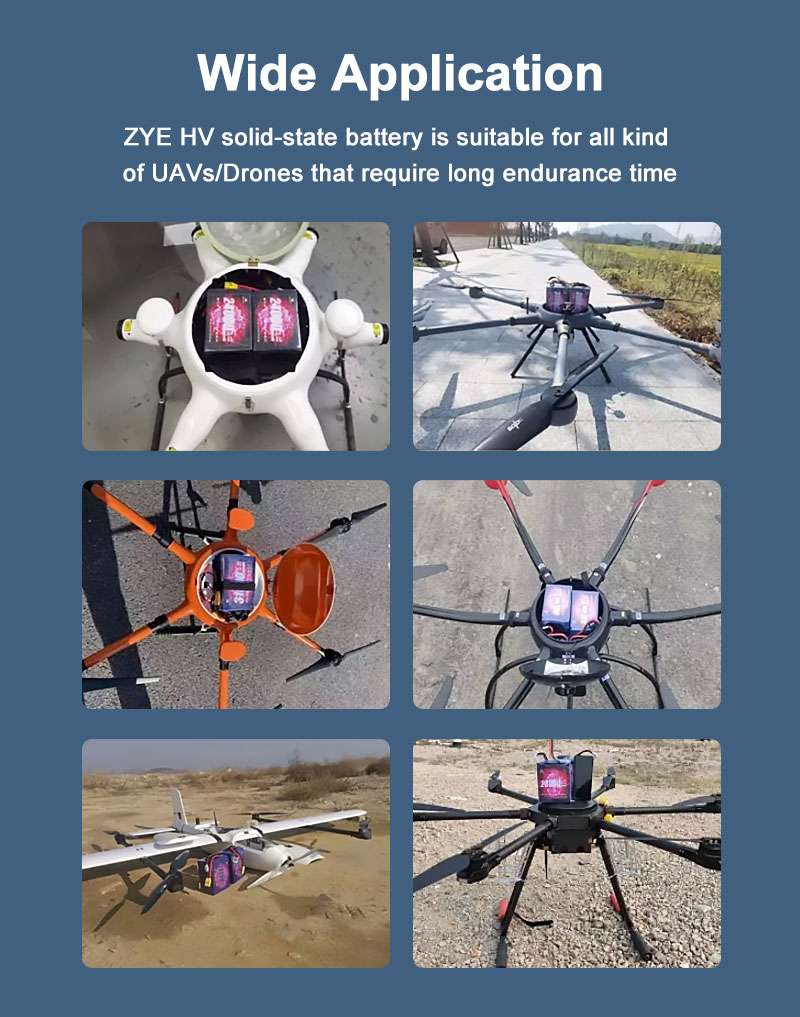
In FPV racing, “max speed” is less about theoretical top end and more about how hard you can punch the throttle, how quickly the quad responds, and how consistent it feels over an entire heat. A 6S LiPo battery that delivers maximum speed will:
Hold voltage under brutal current spikes, so motors stay in their power band.
Be light enough that the quad explodes out of the gate and changes direction instantly.
Stay cool and stable across multiple laps, not just the first 20 seconds.
If a pack looks big on paper but sags hard or flies hot and heavy, it will slow you down even if the label claims huge numbers.
Key 6S LiPo specs that drive speed
When you write for racers, focus less on marketing claims and more on four concrete specs they can actually feel in the air:
Voltage: 6S (22.2 V nominal)
6S has become the sweet spot for modern 5‑inch race quads because higher voltage means more RPM for a given motor KV and less current for the same power. That reduces losses in ESCs and wiring and unlocks cleaner, harder punches out of corners.
Capacity: 1100–1500 mAh for 5‑inch racing
Most fast 5‑inch builds in 2026 sit around 1100–1500 mAh on 6S.
Lower capacity (around 1100–1300 mAh) gives a lighter, more explosive setup that’s ideal for tight technical tracks.
Slightly higher capacity (up to 1500 mAh) offers a touch more sag resistance and flight time, which can help on longer or more flowing circuits.
C‑rating and real current capability
High C‑rating matters, but only if the cells actually deliver. For FPV racing, you want a 6S LiPo with:
At least 100C rated discharge,
Very high burst current capability,
Proven low internal resistance cell chemistry.
This combination keeps voltage stiff when you go full throttle repeatedly, which is where max speed lives.
Internal resistance and pack construction
Two 6S LiPos can have the same C‑rating and capacity yet feel completely different in the air. Packs built with low‑IR cells, short thick leads, and quality tabs will:
Sag less under load,
Run cooler,
Maintain performance deeper into the pack.
These details often matter more than chasing the biggest “C” number on the sticker.
What an ideal “max‑speed” 6S FPV LiPo looks like
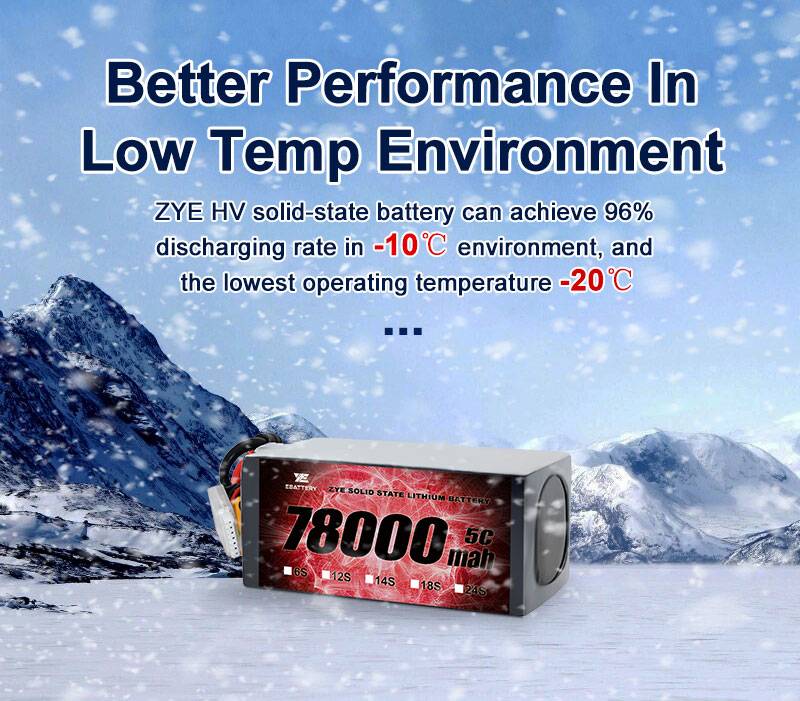
If you describe the “perfect” 6S LiPo battery for max speed in your ZYEBATTERY article, paint a clear picture racers recognize:
6S, 22.2 V LiPo chemistry with a race‑tuned cell formula.
Capacity around 1200–1400 mAh as the sweet spot between agility and usable power for 5‑inch frames.
High continuous and burst discharge ratings, backed by low internal resistance rather than just marketing claims.
Compact case size to fit typical racing frames and keep CG low and centered.
Thick‑gauge silicone leads and a robust connector to minimize power loss at the plug.
You can reinforce that this spec, not a particular competitor model, is what actually gives FPV racing drones maximum speed in real races.
Send Inquiry



X
We use cookies to offer you a better browsing experience, analyze site traffic and personalize content. By using this site, you agree to our use of cookies.
Privacy Policy
News
 How to build a drone lipo battery pack?2025/08/28