English
 Español
  Português
  русский
  Français
  日本語
日本語  Deutsch
  tiếng Việt
  Italiano
  Nederlands
  ภาษาไทย
  Polski
  한국어
한국어  Svenska
  magyar
  Malay
Malay  বাংলা ভাষার
  Dansk
Dansk  Suomi
Suomi  हिन्दी
  Pilipino
  Türkçe
  Gaeilge
  العربية
  Indonesia
  Norsk
Norsk  تمل
تمل  český
český  ελληνικά
  український
  Javanese
  فارسی
فارسی  தமிழ்
தமிழ்  తెలుగు
  नेपाली
  Burmese
  български
  ລາວ
ລາວ  Latine
  Қазақша
  Euskal
  Azərbaycan
  Slovenský jazyk
  Македонски
  Lietuvos
  Eesti Keel
  Română
  Slovenski
  मराठी
मराठी  Srpski језик

Call Us
+86-15768259626
Email Us
coco@zyepower.com

Why Solid-State Drone Batteries Could Redefine Aerial Logistics in the Next 5 Years
Aerial logistics has been close to a breakthrough for years. The aircraft work. The autonomy software works. Regulatory frameworks are slowly catching up. And yet commercial drone delivery at meaningful scale remains frustratingly out of reach for most operators.
The constraint, more often than people discuss publicly, is the battery.
Conventional lithium polymer packs have pushed UAV logistics as far as they reasonably can. The energy density ceiling limits range. Thermal sensitivity limits operating environments. Cycle life limits economics at scale. Solid-state drone batteries don't solve all of that overnight — but they address enough of it that the next five years look genuinely different from the last five.
What Aerial Logistics Actually Needs From a Battery
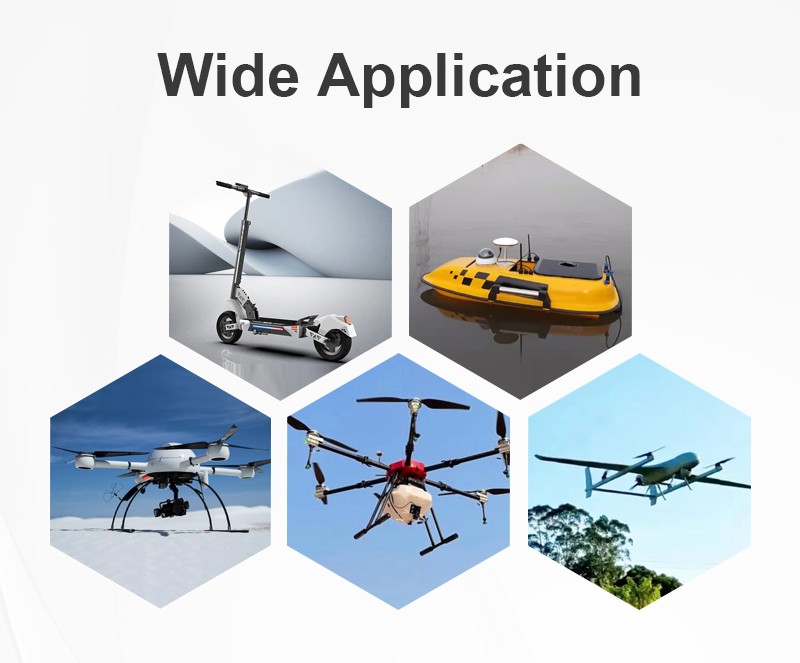
Before talking about what solid-state changes, it helps to be specific about what the application demands.
A drone delivery operation isn't making one flight a day. It's making dozens, potentially hundreds, across a mixed fleet running continuous duty cycles. Batteries need to handle frequent fast charging without accelerated degradation. They need consistent range performance regardless of ambient temperature — because a delivery drone that loses 25% capacity in winter is a logistics reliability problem. And they need a cycle life that makes the economics work at scale without constant pack replacement eating into margins.
LiPo batteries have been optimized hard for these requirements. They've improved. But the chemistry has inherent limits that incremental optimization can't overcome.
The Solid-State Advantage in a Logistics Context
Range extension through energy density. Solid-state lithium-ion batteries are compatible with lithium metal anodes, which store substantially more energy per gram than graphite. In practical terms, this means a delivery drone carrying the same payload over a longer route — or carrying a heavier payload over the same route. Either way, the serviceable coverage area per aircraft expands. For logistics operators defining delivery zones, that's a direct expansion of addressable market.
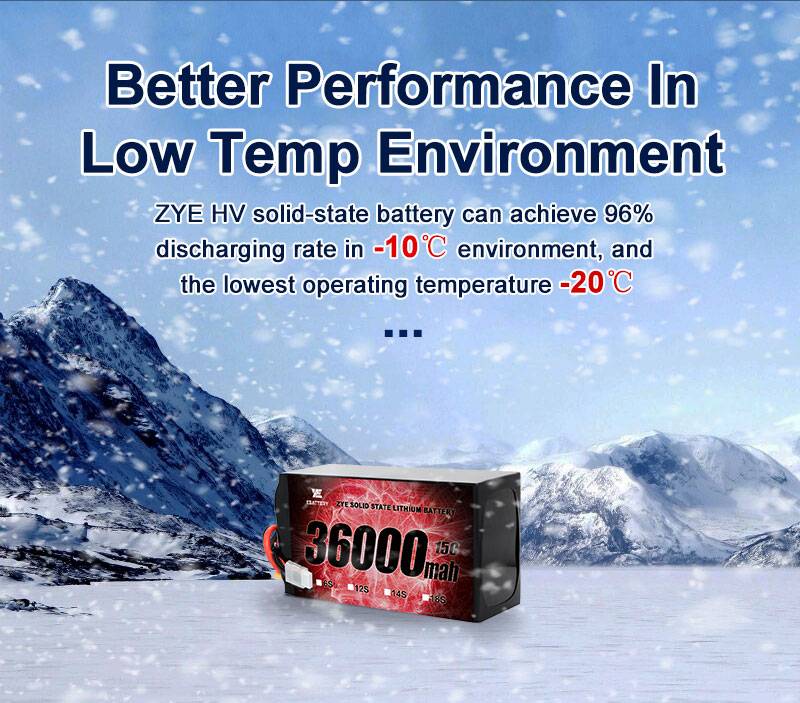
Thermal stability that opens new operating environments. Liquid electrolytes in conventional LiPo packs are flammable and temperature-sensitive. Solid-state electrolytes remove the thermal runaway risk that makes some logistics operators and regulators nervous about high-frequency urban drone operations. Wider operating temperature ranges — stable discharge performance from sub-freezing to high-heat conditions — mean fewer weather-related operational suspensions.
Cycle life economics that change the math. Better electrode-electrolyte compatibility in solid-state cells translates to slower capacity fade per cycle. A battery lasting 800 to 1,000 reliable cycles instead of 300 to 400 doesn't just reduce replacement frequency — it fundamentally changes the cost model for high-volume logistics operations. Per-delivery battery cost drops, and fleet management becomes more predictable.
Faster charging without the penalty. Solid electrolytes handle high-rate charging more gracefully than liquid-electrolyte systems, which degrade faster under aggressive charge cycles. For logistics operations dependent on rapid pack turnaround between deliveries, that tolerance for fast charging without proportional cycle life cost is operationally significant.
The Honest Timeline
Five years is an aggressive but credible window — with conditions attached.
Manufacturing yield for solid-state cells needs to improve before unit costs reach parity with advanced LiPo packs. Interface resistance challenges at high discharge rates are solvable engineering problems, but they require continued material science work. Cold-start performance in certain solid electrolyte formulations remains an active development area.
None of these are fundamental barriers. They're manufacturing and engineering problems — the kind that yield to investment, iteration, and scale. Several of those factors are already present in the solid-state battery space right now.
ZYEBATTERY's Position in This Transition
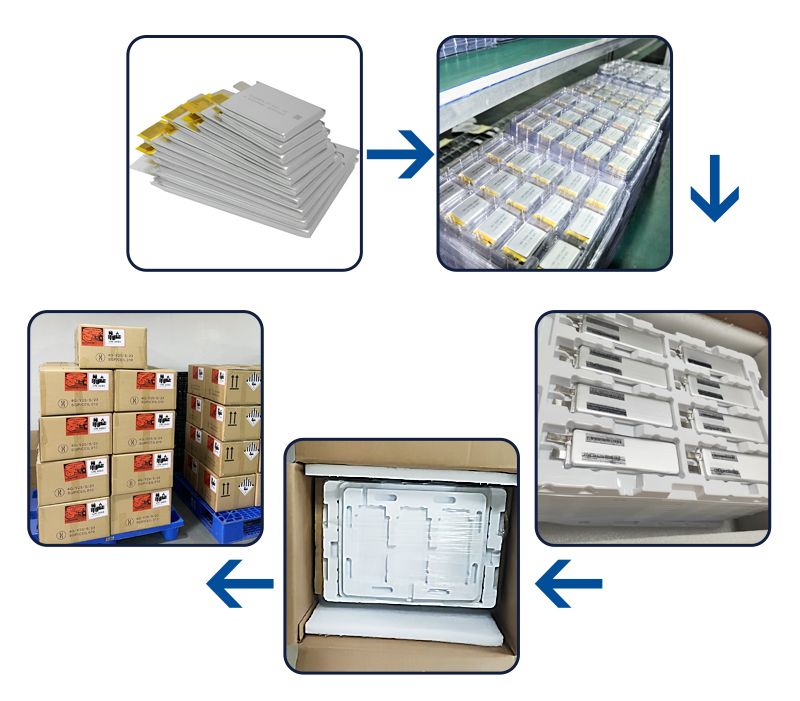
ZYEBATTERY builds both high-performance lithium polymer and solid-state lithium-ion UAV batteries because the transition from one to the other won't happen uniformly or overnight. Different logistics platforms, operating environments, and economic constraints will cross that threshold at different times.
The operators who move first on solid-state drone batteries won't just have better hardware. They'll have a logistics capability their competitors don't — more range, better economics, broader operating windows.
That advantage compounds. Five years is not very long.
Send Inquiry



X
We use cookies to offer you a better browsing experience, analyze site traffic and personalize content. By using this site, you agree to our use of cookies.
Privacy Policy
News
 How to build a drone lipo battery pack?2025/08/28