English
 Español
  Português
  русский
  Français
  日本語
日本語  Deutsch
  tiếng Việt
  Italiano
  Nederlands
  ภาษาไทย
  Polski
  한국어
한국어  Svenska
  magyar
  Malay
Malay  বাংলা ভাষার
  Dansk
Dansk  Suomi
Suomi  हिन्दी
  Pilipino
  Türkçe
  Gaeilge
  العربية
  Indonesia
  Norsk
Norsk  تمل
تمل  český
český  ελληνικά
  український
  Javanese
  فارسی
فارسی  தமிழ்
தமிழ்  తెలుగు
  नेपाली
  Burmese
  български
  ລາວ
ລາວ  Latine
  Қазақша
  Euskal
  Azərbaycan
  Slovenský jazyk
  Македонски
  Lietuvos
  Eesti Keel
  Română
  Slovenski
  मराठी
मराठी  Srpski језик

Call Us
+86-15768259626
Email Us
coco@zyepower.com

How to Choose the Cost-effective Drone Battery in 2026?
A cost-effective drone battery in 2026 is not the cheapest pack on the shelf. It is the one that gives you the lowest total cost per flight by balancing price, lifespan, weight, and performance for your exact UAV mission.
What “cost-effective” really means
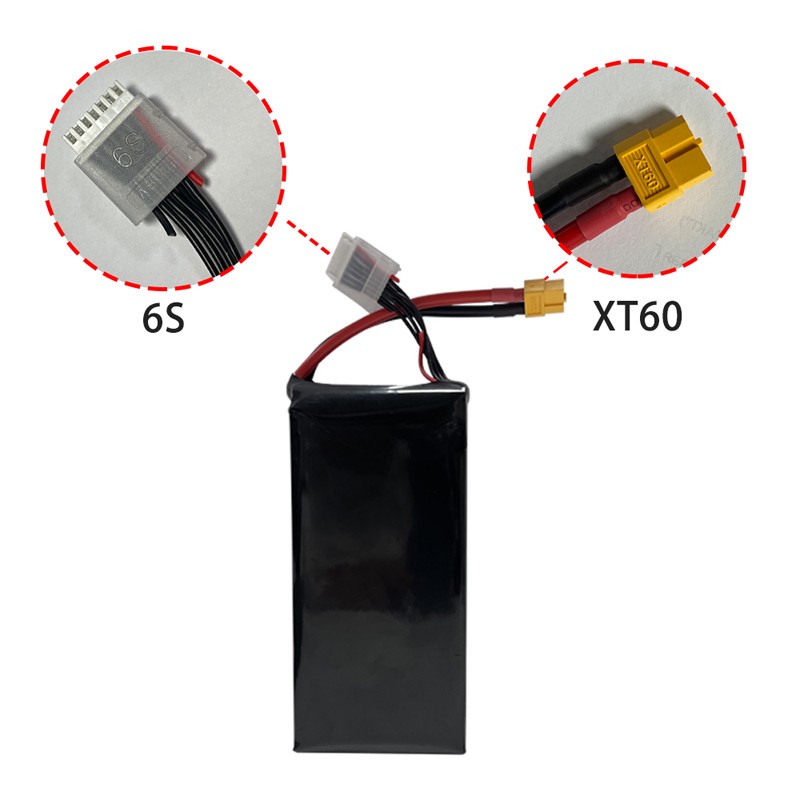
For drone buyers, cost-effective does not mean “low upfront price.” It means the battery helps you spend less over time while still meeting your flight requirements. A cheap pack that fades fast, sags under load, or forces more battery swaps often costs more in the long run. Recent market reports show the drone battery sector continues to grow quickly, which is one reason buyers are paying more attention to lifecycle value instead of sticker price alone.
Start with the mission
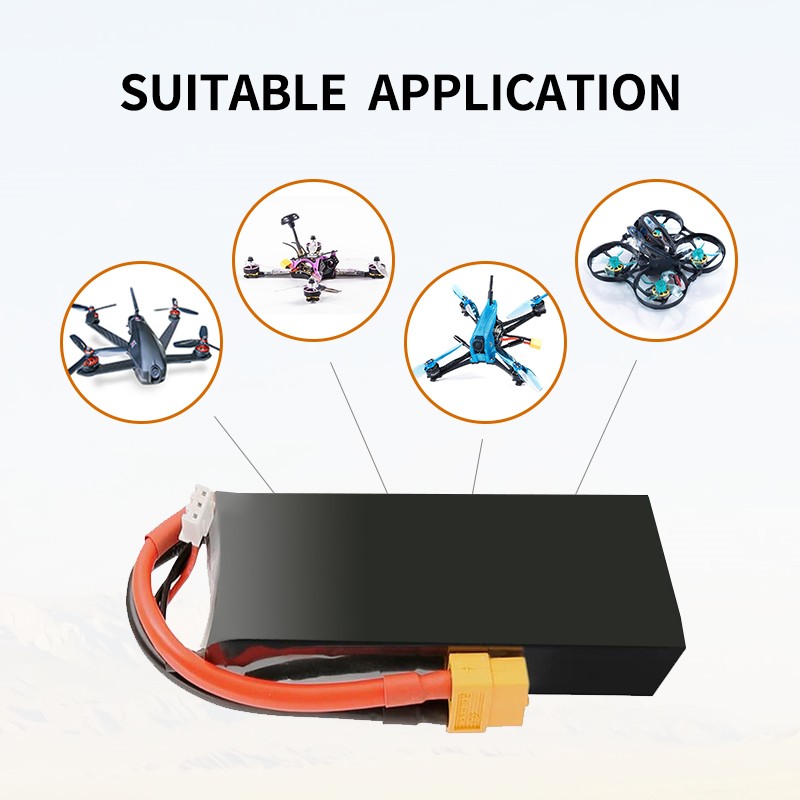
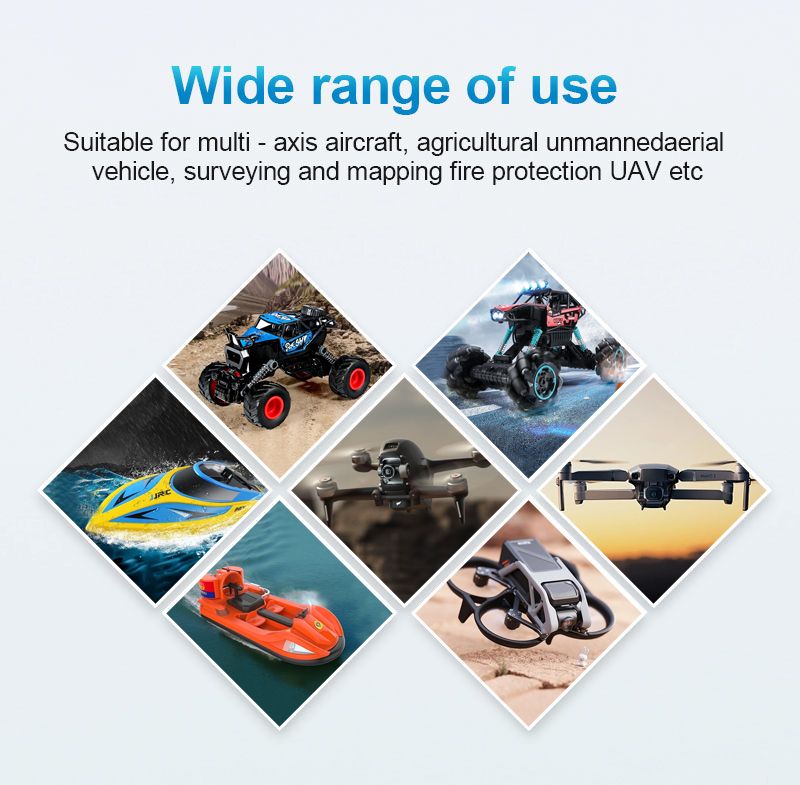
The right drone battery depends on how the aircraft is used. FPV racing, commercial inspection, mapping, delivery, and photography all pull in different directions. A racing drone may need a light high-discharge LiPo, while a survey drone often benefits more from a higher-energy lithium-ion or semi-solid pack. Chinese industry guidance from 2026 also emphasizes matching battery choice to application, not just to capacity or voltage.
Compare chemistry by use case
If your goal is value, start with the chemistry that fits the job.
LiPo works best for FPV, freestyle, and other high-current drones because it delivers strong burst power and a light feel.
Lithium-ion usually makes more sense for long-endurance UAVs because it offers higher energy density and better flight time.
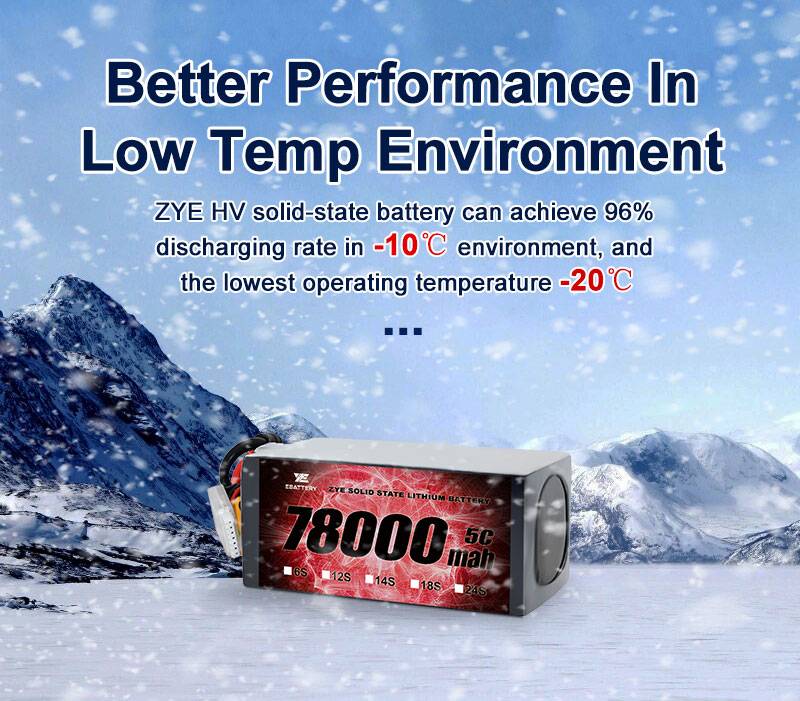
Solid-state lithium-ion is becoming attractive for commercial fleets that want stronger safety margins and longer service life.
The best choice is the one that minimizes replacements, downtime, and missed missions.
Look at total cost per flight
A useful way to compare batteries is to divide the purchase price by usable flight cycles. A pack that costs more but lasts twice as long often ends up cheaper than a budget battery that needs replacement far sooner. For example, a higher-quality LiPo may cost more at checkout but deliver more consistent discharge, better cycle life, and fewer performance drops. That means fewer lost flights and less inventory tied up in backup packs.
Check the four specs that matter
When evaluating a cost-effective drone battery, focus on the specs that affect real operating cost:
Energy density: Higher Wh/kg can mean longer flight time without extra weight.
Discharge rate: The battery must handle your peak current without overheating or sagging.
Cycle life: More cycles lower your cost per mission.
Weight: A lighter pack can improve efficiency and reduce stress on motors and frames.
If two batteries look similar on paper, the one with better real-world voltage stability and cycle life is usually the better value.
Don’t ignore charging and storage
Battery cost is also tied to maintenance. A pack that is stored fully charged, charged too fast, or run too low will age quickly. That shortens service life and raises your true operating cost. Good charging habits and proper storage can make a major difference in how long a drone battery stays useful.
Where ZYEBATTERY fits
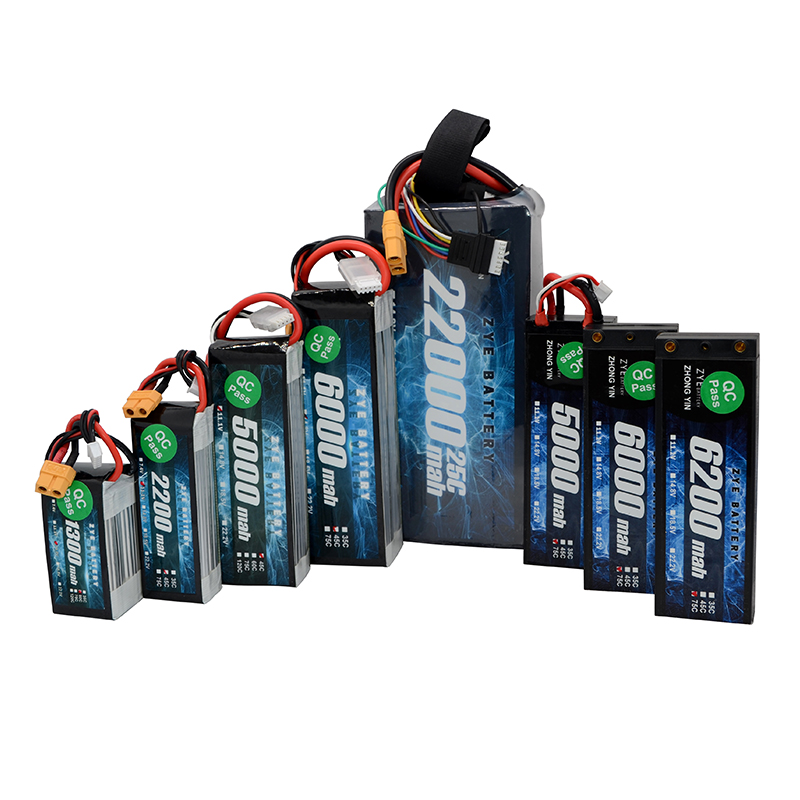
For ZYEBATTERY customers, the most cost-effective drone battery in 2026 is usually the one built around the mission rather than the marketing label. That may be a high-performance LiPo for FPV teams, a higher-energy lithium-ion pack for endurance drones, or a solid-state solution for commercial operators who want more safety and longer service life. ZYEBATTERY’s advantage is that it can support all three paths, so buyers can choose the battery that lowers total cost, not just upfront spend.
Send Inquiry



X
We use cookies to offer you a better browsing experience, analyze site traffic and personalize content. By using this site, you agree to our use of cookies.
Privacy Policy
News
 How to build a drone lipo battery pack?2025/08/28