English
 Español
  Português
  русский
  Français
  日本語
日本語  Deutsch
  tiếng Việt
  Italiano
  Nederlands
  ภาษาไทย
  Polski
  한국어
한국어  Svenska
  magyar
  Malay
Malay  বাংলা ভাষার
  Dansk
Dansk  Suomi
Suomi  हिन्दी
  Pilipino
  Türkçe
  Gaeilge
  العربية
  Indonesia
  Norsk
Norsk  تمل
تمل  český
český  ελληνικά
  український
  Javanese
  فارسی
فارسی  தமிழ்
தமிழ்  తెలుగు
  नेपाली
  Burmese
  български
  ລາວ
ລາວ  Latine
  Қазақша
  Euskal
  Azərbaycan
  Slovenský jazyk
  Македонски
  Lietuvos
  Eesti Keel
  Română
  Slovenski
  मराठी
मराठी  Srpski језик

Call Us
+86-15768259626
Email Us
coco@zyepower.com

Solid-State Lithium Batteries for Drones: Opportunities and Engineering Challenges
Solid-state lithium batteries have been "the future" for long enough that the phrase has started to feel hollow. But in UAV applications specifically, the technology is past early-stage speculation. Real solid-state cells are being tested, validated, and in some cases deployed in commercial drone platforms — and the engineering tradeoffs are clearer than they've ever been.
Here's an honest look at what solid-state lithium batteries actually offer for drone applications, and what still makes them hard to work with.

Why Solid-State Makes Sense for Drones
The fundamental difference is the electrolyte. Conventional lithium polymer batteries use a liquid or gel electrolyte — effective, but flammable and sensitive to temperature extremes. Solid-state batteries replace that with a solid electrolyte material, and that substitution carries a cascade of consequences that are particularly relevant for UAV applications.
Better thermal stability. Liquid electrolytes are the primary contributor to thermal runaway in LiPo batteries. Remove the liquid, and you remove the most dangerous failure mode in lithium chemistry. For drones operating in high-ambient-temperature environments, near heat-generating payloads, or in applications where a battery fire would be catastrophic, that stability matters enormously.
Higher energy density potential. Solid-state architecture is compatible with lithium metal anodes, which store significantly more energy per gram than the graphite anodes used in conventional lithium-ion and LiPo cells. In a weight-sensitive application like drone design, the energy density ceiling is one of the most important specs on the table. More energy per kilogram means longer flight times without adding airframe weight.
Extended cycle life. Solid electrolytes are generally less reactive with electrode materials over time, which means less degradation per cycle. For commercial drone operators running high duty cycles, better cycle life translates directly to lower per-flight battery costs and more predictable replacement schedules.
Wider operating temperature range. Solid-state cells maintain more consistent performance across temperature extremes than liquid-electrolyte alternatives. Cold-weather drone operations — infrastructure inspection in northern climates, high-altitude survey work — benefit from a chemistry that doesn't lose significant capacity when temperatures drop.
The Engineering Challenges That Are Still Real
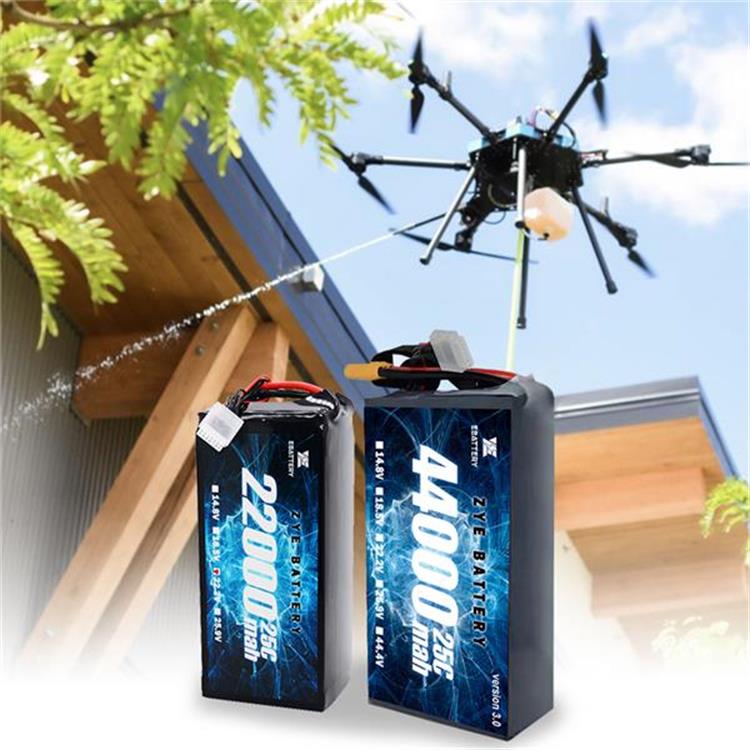
None of that comes without friction. Solid-state lithium batteries for drones face genuine engineering obstacles that explain why LiPo packs still dominate commercial UAV applications.
Manufacturing complexity and cost. Solid electrolyte materials are harder to produce consistently than liquid electrolytes, and the manufacturing processes require more precision. That translates to higher unit costs — sometimes significantly higher — which creates a barrier for cost-sensitive commercial operators.
Interface resistance. The contact between solid electrolyte and electrode materials isn't as intimate as in liquid-electrolyte systems. This interface resistance increases internal resistance, which limits peak discharge rates. High-C-rate discharge — the kind needed during aggressive UAV maneuvers or heavy-payload lifts — is harder to achieve with current solid-state designs without performance penalties.
Mechanical stress during cycling. Electrode materials expand and contract as lithium ions move in and out during charge and discharge. In liquid-electrolyte batteries, the electrolyte accommodates this movement. In solid-state cells, volumetric changes can create mechanical stress at the electrode-electrolyte interface, contributing to degradation over time. Managing this at scale is an active area of engineering work.
Cold-start performance. While solid-state batteries perform better across temperature ranges in steady-state operation, some solid electrolyte materials show elevated resistance at very low temperatures during initial startup. This is improving with material advances but remains a consideration for certain deployment environments.
Where the Technology Stands for Commercial Drone Applications
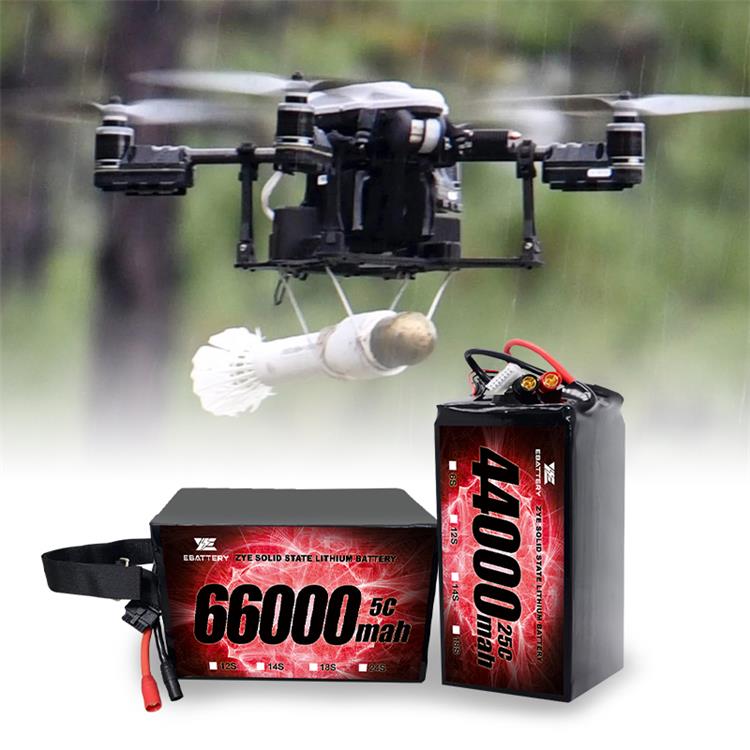
Solid-state lithium batteries are production-viable for UAV applications today — with the right application fit. High-value missions where thermal safety is a priority, platforms where energy density improvements justify the cost premium, and operations where extended cycle life produces meaningful ROI are all reasonable targets.
ZYEBATTERY develops both high-performance lithium polymer and solid-state lithium-ion UAV batteries because the right chemistry depends on the application. Not every drone operation needs solid-state technology today. Some already do — and as manufacturing scales and costs come down, that category will expand considerably.
The future arrived unevenly. But it did arrive.
Send Inquiry



X
We use cookies to offer you a better browsing experience, analyze site traffic and personalize content. By using this site, you agree to our use of cookies.
Privacy Policy
News
 How to build a drone lipo battery pack?2025/08/28