English
 Español
  Português
  русский
  Français
  日本語
日本語  Deutsch
  tiếng Việt
  Italiano
  Nederlands
  ภาษาไทย
  Polski
  한국어
한국어  Svenska
  magyar
  Malay
Malay  বাংলা ভাষার
  Dansk
Dansk  Suomi
Suomi  हिन्दी
  Pilipino
  Türkçe
  Gaeilge
  العربية
  Indonesia
  Norsk
Norsk  تمل
تمل  český
český  ελληνικά
  український
  Javanese
  فارسی
فارسی  தமிழ்
தமிழ்  తెలుగు
  नेपाली
  Burmese
  български
  ລາວ
ລາວ  Latine
  Қазақша
  Euskal
  Azərbaycan
  Slovenský jazyk
  Македонски
  Lietuvos
  Eesti Keel
  Română
  Slovenski
  मराठी
मराठी  Srpski језик

Call Us
+86-15768259626
Email Us
coco@zyepower.com

What CTOs Need to Know About Drone Battery Lifecycles Before Scaling Autonomous Operations
Autonomous drone operations look elegant from the outside. Scheduled flights, automated charging, minimal human intervention, continuous data collection. The pitch is compelling, and the technology is genuinely ready for it.
What often isn't ready is the battery strategy!
CTOs scaling autonomous UAV operations consistently underestimate how central drone battery lifecycle management is to system reliability. Not because they're not technical — they are. But because battery degradation is slow, non-linear, and easy to deprioritize until it starts causing real problems at scale.
Here's what needs to be on your radar before you scale.
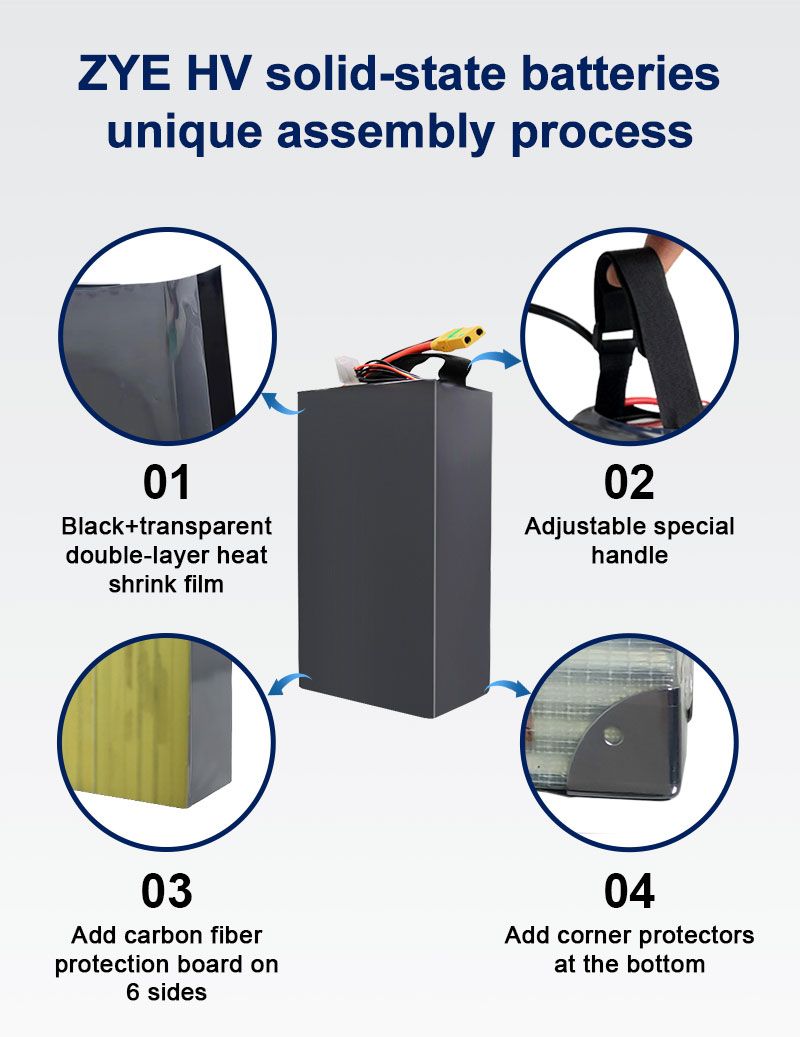
Lifecycle Isn't a Single Number
Vendor spec sheets list cycle counts. 300 cycles. 500 cycles. Sometimes more. Those numbers are real, but they're contextual — and context changes everything.
A drone battery achieving its rated cycle life in controlled lab conditions is cycling at moderate discharge rates, stable temperatures, and precise charge termination. Your autonomous operation probably doesn't look like that. It looks like variable payload weights, outdoor temperatures that swing 40 degrees between morning and afternoon, and charging infrastructure that's managing dozens of packs simultaneously.
Real-world cycle life under those conditions is lower. How much lower depends on how well the system is designed and managed.
The practical implication: don't build capacity planning around nominal cycle counts. Build it around observed degradation curves from your specific operating conditions.
Capacity Fade Is a System Problem, Not Just a Battery Problem
As lithium polymer cells age, capacity fades. That's chemistry — unavoidable. What matters operationally is how your autonomous system responds to it.
A drone fleet that dispatches aircraft based on assumed battery capacity — rather than measured state of health — is accumulating silent risk. Packs that were once capable of a 45-minute mission may now reliably complete 35 minutes. If the mission profile hasn't been adjusted, you're flying closer to the edge than the system knows.
This is why battery management system (BMS) integration with fleet software isn't optional at scale. Real-time state of health data needs to feed mission planning logic. Autonomous operations that can't dynamically adjust to battery condition are brittle in ways that don't show up during pilot programs but surface aggressively once you've got 50 aircraft running daily cycles.
Thermal History Compounds Over Time
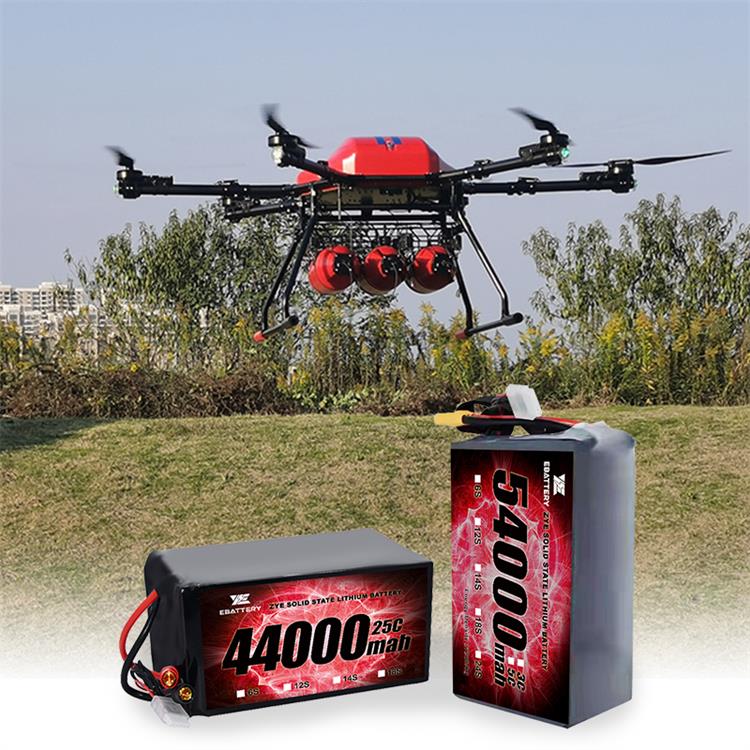
Heat is the primary accelerant of lithium cell degradation. Every high-temperature charge cycle, every flight in peak summer heat, every pack that sat warm in a charging bay for hours — all of it compounds. The damage isn't always visible. It shows up as accelerated capacity fade, increased internal resistance, and eventually, unpredictable discharge behavior.
For autonomous operations running year-round in varied climates, thermal management needs to be a first-class engineering consideration, not an afterthought. That means charging infrastructure with temperature controls, battery storage protocols that prevent thermal soak, and BMS hardware capable of logging and reporting thermal history per pack.
CTOs who treat the battery as a commodity component and the charger as a simple accessory tend to discover the cost of that decision at the worst possible time.
Replacement Cadence Is a Financial Model, Not a Maintenance Task
At ten drones, battery replacement is a maintenance line item. At 100 drones running 200 cycles a year each, it's a significant capital expense that needs to be modeled accurately.
Get the lifecycle assumptions wrong in your financial model and you're either over-provisioning inventory or facing unplanned procurement cycles that disrupt operations. Neither is acceptable when you're running autonomous systems with SLA commitments.
Build replacement cadence projections using real degradation data from your operating environment. Track cycle count and capacity retention per pack. Retire based on measured performance thresholds, not calendar schedules.
Choosing the Right Battery Partner at Scale
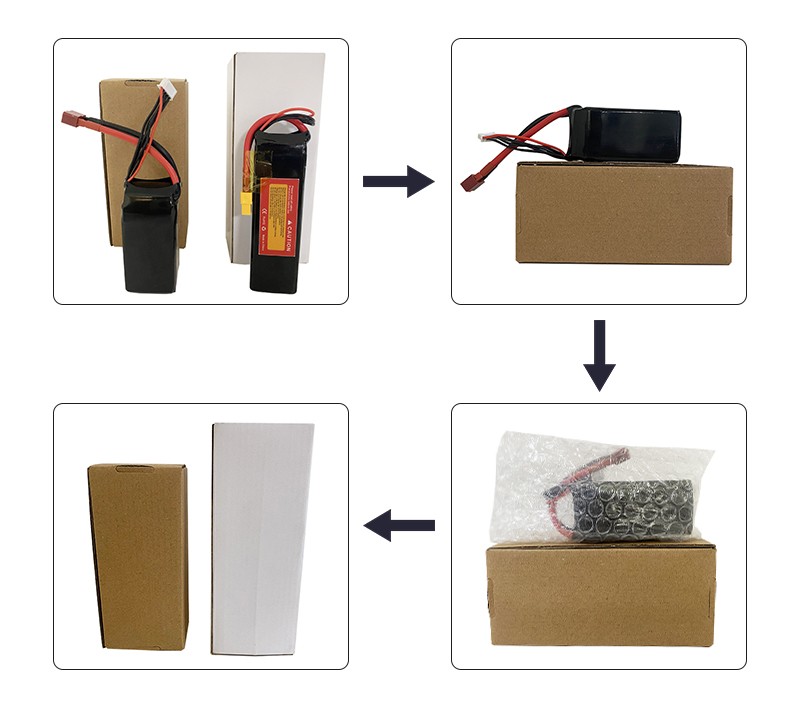
None of this works without UAV batteries designed for the demands of autonomous operations — consistent cell quality, robust BMS integration, documented performance under real-world conditions, and a manufacturer that can support volume procurement without compromising spec consistency.
ZYEBATTERY builds high-performance lithium polymer and solid-state lithium-ion UAV batteries with exactly these requirements in mind. For CTOs building autonomous drone programs that need to run reliably at scale, the battery supply chain deserves the same engineering rigor as every other system component.
Scale amplifies every assumption you made at the start. Make sure the battery assumptions are right.
Send Inquiry



X
We use cookies to offer you a better browsing experience, analyze site traffic and personalize content. By using this site, you agree to our use of cookies.
Privacy Policy
News
 How to build a drone lipo battery pack?2025/08/28