English
 Español
  Português
  русский
  Français
  日本語
日本語  Deutsch
  tiếng Việt
  Italiano
  Nederlands
  ภาษาไทย
  Polski
  한국어
한국어  Svenska
  magyar
  Malay
Malay  বাংলা ভাষার
  Dansk
Dansk  Suomi
Suomi  हिन्दी
  Pilipino
  Türkçe
  Gaeilge
  العربية
  Indonesia
  Norsk
Norsk  تمل
تمل  český
český  ελληνικά
  український
  Javanese
  فارسی
فارسی  தமிழ்
தமிழ்  తెలుగు
  नेपाली
  Burmese
  български
  ລາວ
ລາວ  Latine
  Қазақша
  Euskal
  Azərbaycan
  Slovenský jazyk
  Македонски
  Lietuvos
  Eesti Keel
  Română
  Slovenski
  मराठी
मराठी  Srpski језик

Call Us
+86-15768259626
Email Us
coco@zyepower.com

From Hobby to Industry: Building a Global Brand in Custom Drone Batteries
The first generation of commercial UAV battery manufacturers didn't start in purpose-built facilities with ISO-certified production lines. Most started somewhere far less glamorous — workshops, garages, small R&D teams tinkering with LiPo cell configurations for RC aircraft and early racing drones.
That origin story matters, because it explains something important about where the custom drone battery industry is today and how the best manufacturers in it actually got good.
How the Hobby Roots Shaped the Industry
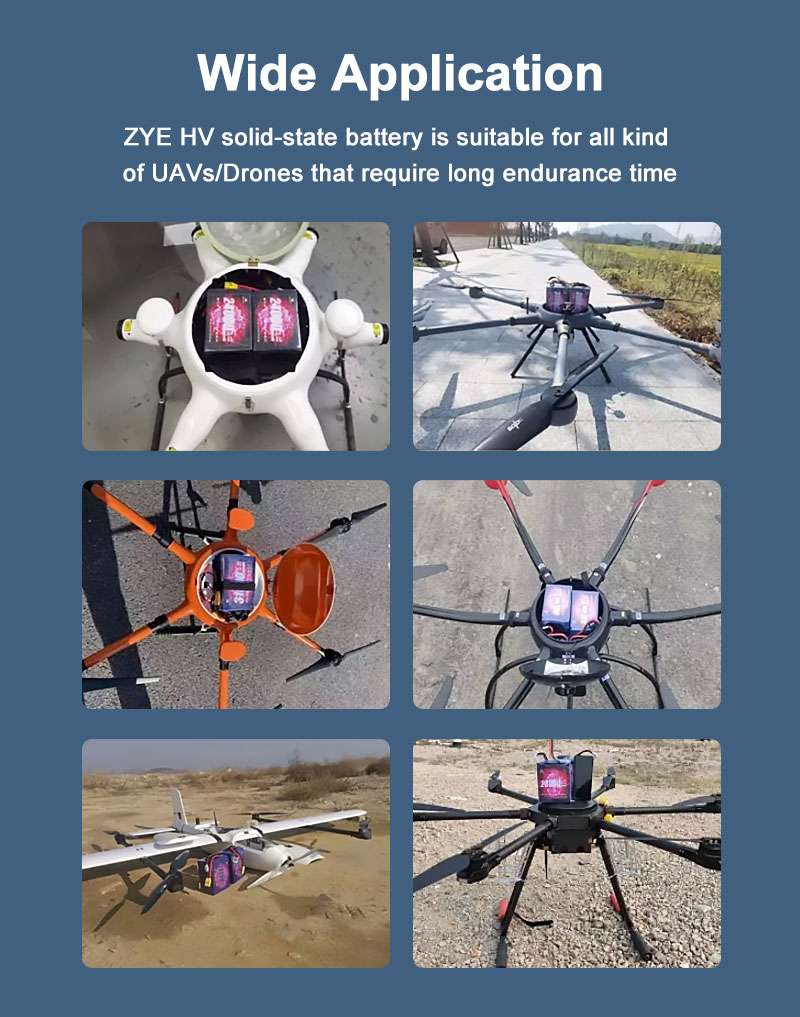
RC hobbyists were brutal product testers. They crashed, overdischarged, pushed discharge rates far beyond rated specs, and documented everything in forums. The feedback loop was fast and unforgiving. Early lithium polymer battery manufacturers that survived that environment learned things about real-world cell behavior that no lab test could replicate.
When commercial UAV applications started scaling — agriculture, infrastructure inspection, public safety, logistics — the manufacturers with hobby-era roots had a significant advantage. They already understood what happens to a LiPo pack when it's pushed hard. They'd already solved problems that enterprise customers were about to encounter for the first time.
That practical knowledge is baked into how good custom drone battery manufacturers approach product design today.
What "Custom" Actually Means at Industrial Scale
The word custom gets used loosely. In the drone battery context, it means something specific: cell chemistry selection matched to the application, voltage and capacity configurations built around the aircraft's actual power requirements, BMS logic calibrated to the operator's duty cycle, and form factors designed to fit the airframe — not the other way around.
For a delivery drone startup running 200 cycles a month in variable weather, a custom UAV battery looks completely different than one designed for a weekly infrastructure inspection platform. Cell selection, discharge curve, thermal management approach, connector spec — all of it changes based on the application.
Manufacturers that built their expertise in the hobbyist space learned to work with diverse configurations early. Scaling that capability to industrial requirements was a natural progression, not a pivot.
The Global Market and What It Demands
Building a globally recognized brand in custom drone batteries requires more than manufacturing competence. It requires consistency across geographies, compliance with international shipping and safety standards for lithium batteries, and the ability to support customers in different time zones, regulatory environments, and operational contexts.
This is where many smaller manufacturers plateau. The technical capability exists. The operational infrastructure — documentation, certifications, logistics, customer support depth — takes longer to build.
The manufacturers who've broken through to genuine global brand status have invested in both sides of that equation. They've pushed cell chemistry and BMS development forward while simultaneously building the supply chain and support infrastructure that international customers require.
UN38.3 certification, IEC compliance, MSDS documentation, export logistics for hazardous materials — these aren't exciting product features, but they're what separates a manufacturer capable of serving a drone operator in Germany or Australia from one limited to domestic customers.
What the Next Phase of the Industry Looks Like
The custom drone battery market is maturing. Early adopters have validated the technology; now mainstream commercial operators are entering in volume. That shift changes what buyers prioritize.
Price matters, but it's no longer the only variable. Procurement teams at commercial UAV operations increasingly evaluate suppliers on cycle life documentation, BMS sophistication, application-specific configuration capability, and post-sale technical support. The manufacturers positioned to win that business are the ones who built genuine technical depth during the industry's earlier, scrappier years.
ZYEBATTERY's Position in That Story
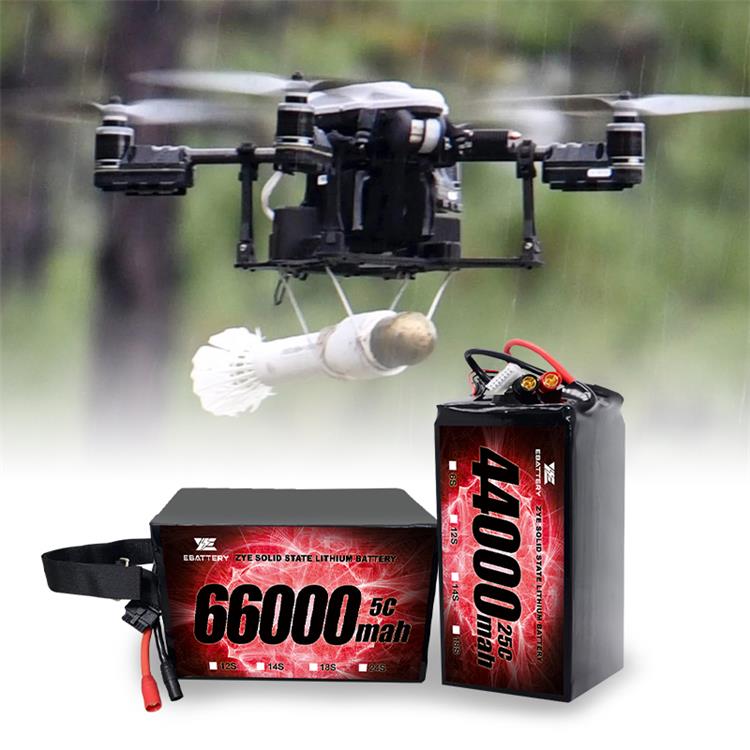
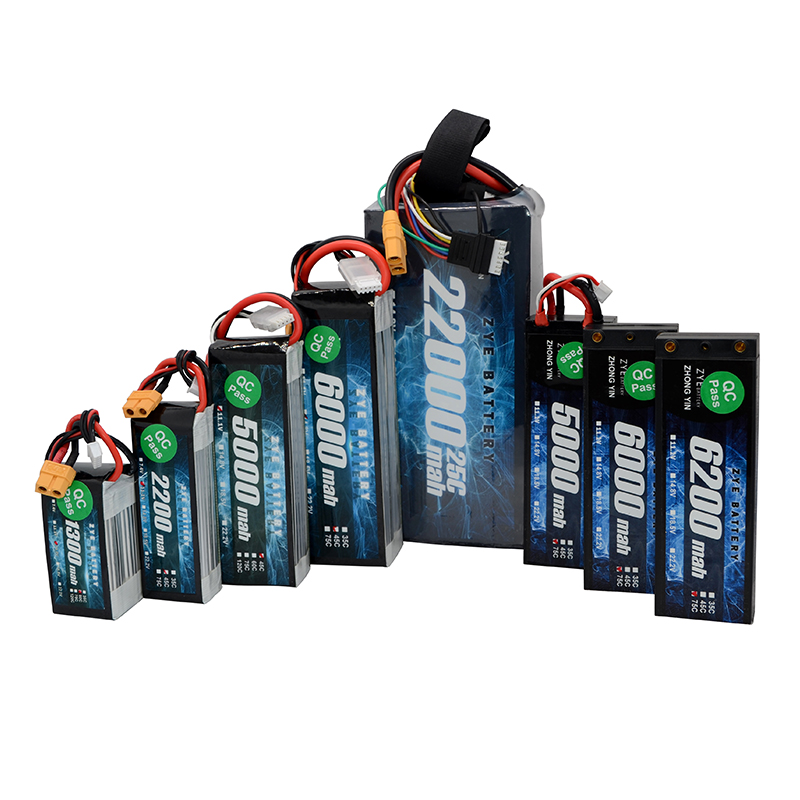
ZYEBATTERY has built its reputation on exactly that progression — starting with deep UAV application knowledge and developing it into a full-scale manufacturing capability for high-performance lithium polymer and solid-state lithium-ion drone batteries. Custom configurations, robust BMS integration, and global supply chain capability aren't recent additions. They're what the company was built around.
The drone industry grew up fast. The battery manufacturers that grew with it — and stayed focused on UAV applications the whole way — are the ones setting the standard now.
Send Inquiry



X
We use cookies to offer you a better browsing experience, analyze site traffic and personalize content. By using this site, you agree to our use of cookies.
Privacy Policy
News
 How to build a drone lipo battery pack?2025/08/28