English
 Español
  Português
  русский
  Français
  日本語
日本語  Deutsch
  tiếng Việt
  Italiano
  Nederlands
  ภาษาไทย
  Polski
  한국어
한국어  Svenska
  magyar
  Malay
Malay  বাংলা ভাষার
  Dansk
Dansk  Suomi
Suomi  हिन्दी
  Pilipino
  Türkçe
  Gaeilge
  العربية
  Indonesia
  Norsk
Norsk  تمل
تمل  český
český  ελληνικά
  український
  Javanese
  فارسی
فارسی  தமிழ்
தமிழ்  తెలుగు
  नेपाली
  Burmese
  български
  ລາວ
ລາວ  Latine
  Қазақша
  Euskal
  Azərbaycan
  Slovenský jazyk
  Македонски
  Lietuvos
  Eesti Keel
  Română
  Slovenski
  मराठी
मराठी  Srpski језик

Call Us
+86-15768259626
Email Us
coco@zyepower.com

Designing Lithium Batteries for Aerial Robots: Safety and Reliability at Scale
Aerial robots aren't forgiving hardware. When something fails at altitude — a motor, a sensor, a navigation system — the aircraft comes down. When the battery fails, everything comes down. That asymmetry shapes how serious lithium battery design for UAV applications has to be, and it becomes more consequential as operations scale.
Building a battery that works in a prototype is a different challenge than building one that works reliably across hundreds of units, thousands of flight hours, and real operating environments that don't resemble a test bench. Here's what that engineering problem actually looks like.
The Safety Architecture Has to Be Layered
A single protection circuit isn't a safety system. It's a last resort.
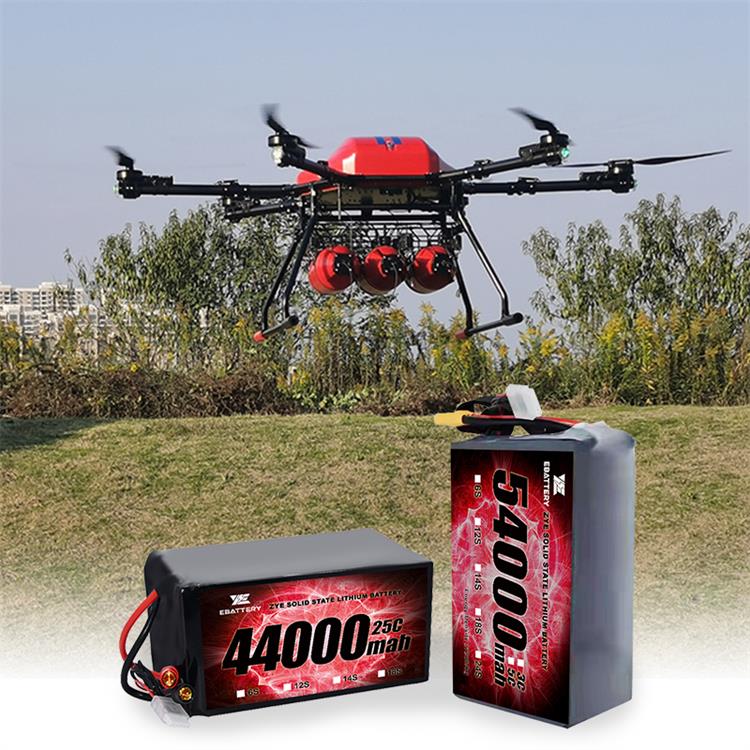
Reliable lithium battery design for aerial robots uses layered protection — multiple independent mechanisms that each catch failure modes the others might miss. The structure typically looks like this:
Cell-level protection comes first. Quality cell selection with tight manufacturing tolerances reduces the probability of internal cell defects that no BMS can compensate for after the fact. This is upstream of everything else.
Battery management system (BMS) logic handles real-time monitoring and active intervention — overvoltage, undervoltage, overcurrent, short circuit, and thermal thresholds. For UAV applications, the BMS needs to distinguish between a genuine fault and a legitimate high-current demand during aggressive maneuvers. False positives that cut power mid-flight are as dangerous as missed faults.
System-level safeguards — how the battery integrates with the flight controller, how fault data is communicated, how graceful degradation is handled when the BMS detects an anomaly — complete the picture. A battery that fails silently is a design failure regardless of how good the cell chemistry is.
Reliability at Scale Requires Consistency, Not Just Quality
A lithium polymer battery that performs well in testing is a good prototype result. A battery that performs consistently across a production run of 500 units is a manufacturing achievement.
Cell matching is where this gets real. Individual lithium cells from the same production batch vary in capacity, internal resistance, and self-discharge rate. In a multi-cell UAV pack, unmatched cells create imbalance that accelerates degradation, reduces effective capacity, and in worst cases creates localized thermal stress.
Manufacturers scaling aerial robot battery production need tight incoming cell inspection, matched grouping before pack assembly, and post-assembly validation that confirms each unit meets spec — not just that the batch average does.
This discipline is expensive and time-consuming. It's also what separates batteries designed for scale from batteries designed for samples.
Thermal Management Isn't Optional at Scale
Heat is lithium chemistry's primary accelerant of degradation. At small volumes, thermal issues are manageable — an individual pack that runs hot gets flagged and investigated. At scale, systemic thermal problems become a fleet reliability issue that's much harder to diagnose and fix.
Battery design for aerial robots needs to account for the full thermal cycle: heat generated during high-discharge flight, residual heat during storage between missions, thermal load from charging, and ambient temperature variation across deployment regions.
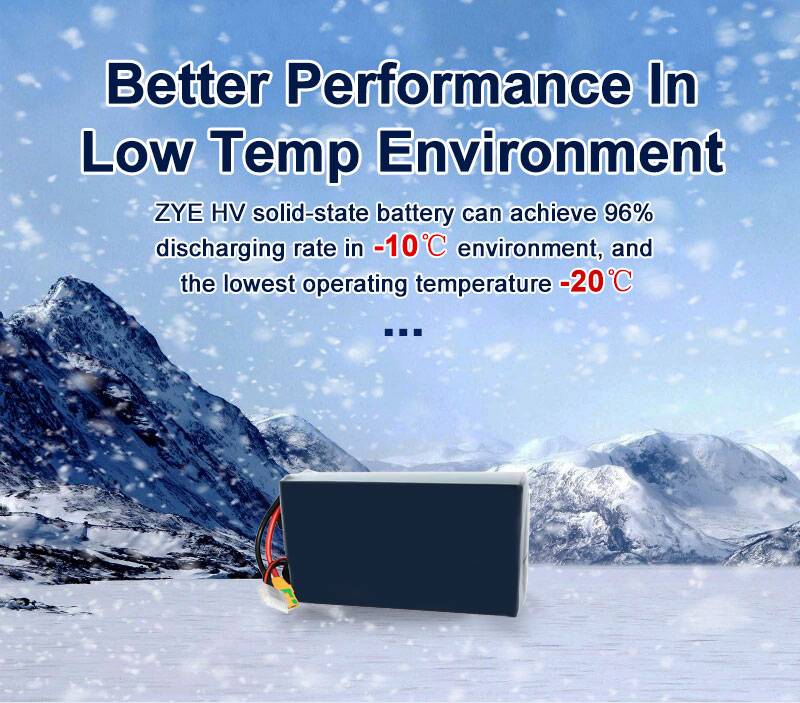
That means selecting cell chemistries with favorable thermal behavior, designing pack enclosures with heat dissipation in mind, and specifying BMS temperature thresholds calibrated to real operating conditions rather than conservative lab defaults. Solid-state lithium-ion batteries are increasingly relevant here — their improved thermal stability compared to conventional LiPo chemistry addresses one of the harder reliability problems at high duty cycles.
Documentation and Certification Matter More Than Most Engineers Want to Admit
Safety and reliability at scale require traceability. When a pack fails in the field, you need to know which cell batch it came from, what its charge history looked like, and whether the failure mode matches anything seen before. That requires logging, documentation, and quality management infrastructure that pure engineering teams often underinvest in.
UN38.3 certification, IEC 62133 compliance, and rigorous internal QC documentation aren't paperwork overhead. They're the evidence base that lets you diagnose problems, improve designs, and demonstrate safety to customers, insurers, and regulators.
ZYEBATTERY's Approach to This Problem
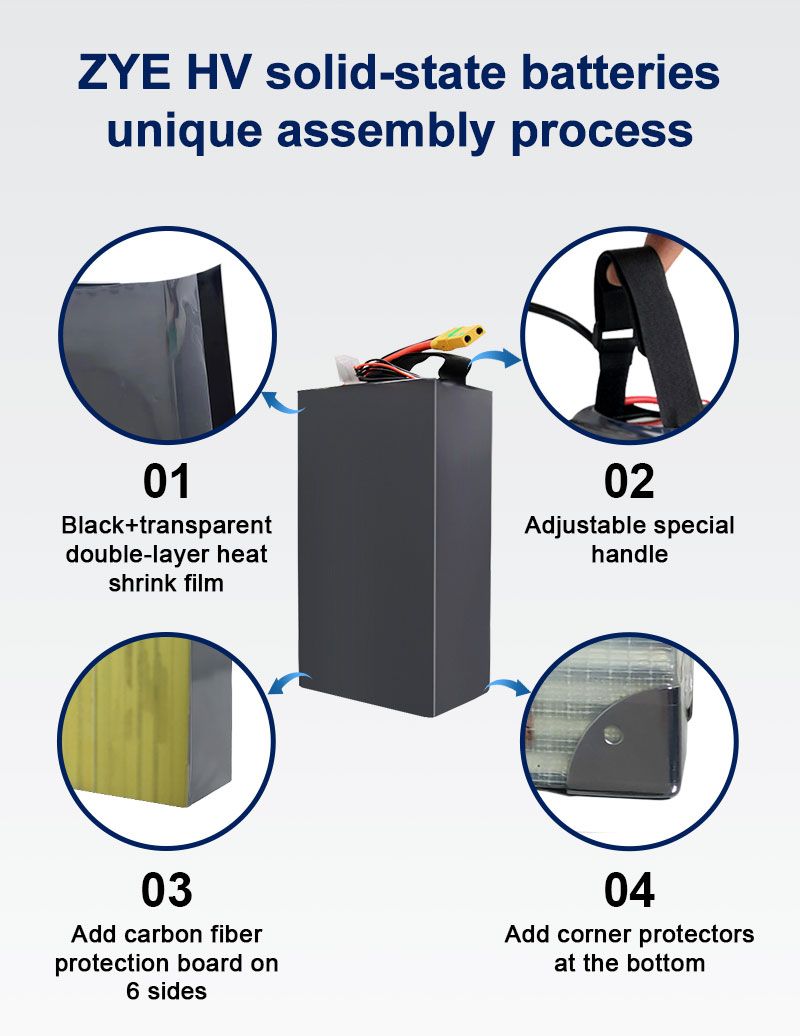
Designing lithium batteries for aerial robots at scale is exactly the problem ZYEBATTERY was built to solve. High-performance lithium polymer and solid-state lithium-ion UAV batteries, engineered with layered protection architecture, tight cell matching, and the manufacturing consistency that fleet-scale reliability actually requires.
Safety isn't a feature added at the end. It's a design constraint from the first cell selection decision forward.
Send Inquiry



X
We use cookies to offer you a better browsing experience, analyze site traffic and personalize content. By using this site, you agree to our use of cookies.
Privacy Policy
News
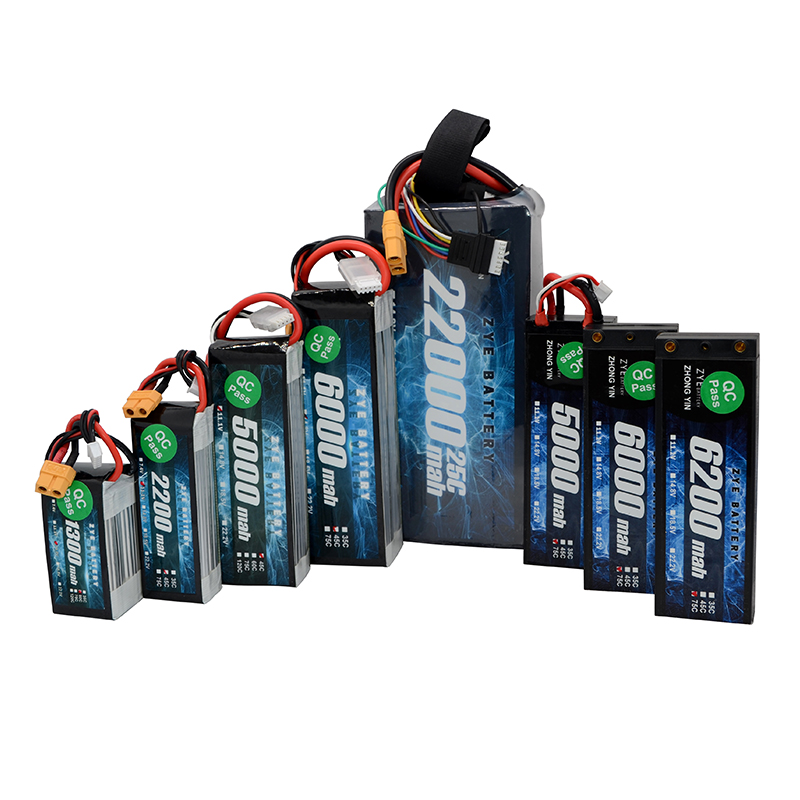 How to build a drone lipo battery pack?2025/08/28