English
 Español
  Português
  русский
  Français
  日本語
日本語  Deutsch
  tiếng Việt
  Italiano
  Nederlands
  ภาษาไทย
  Polski
  한국어
한국어  Svenska
  magyar
  Malay
Malay  বাংলা ভাষার
  Dansk
Dansk  Suomi
Suomi  हिन्दी
  Pilipino
  Türkçe
  Gaeilge
  العربية
  Indonesia
  Norsk
Norsk  تمل
تمل  český
český  ελληνικά
  український
  Javanese
  فارسی
فارسی  தமிழ்
தமிழ்  తెలుగు
  नेपाली
  Burmese
  български
  ລາວ
ລາວ  Latine
  Қазақша
  Euskal
  Azərbaycan
  Slovenský jazyk
  Македонски
  Lietuvos
  Eesti Keel
  Română
  Slovenski
  मराठी
मराठी  Srpski језик

Call Us
+86-15768259626
Email Us
coco@zyepower.com

7 Ways Solid State Drone Battery Boosts Flight Time?
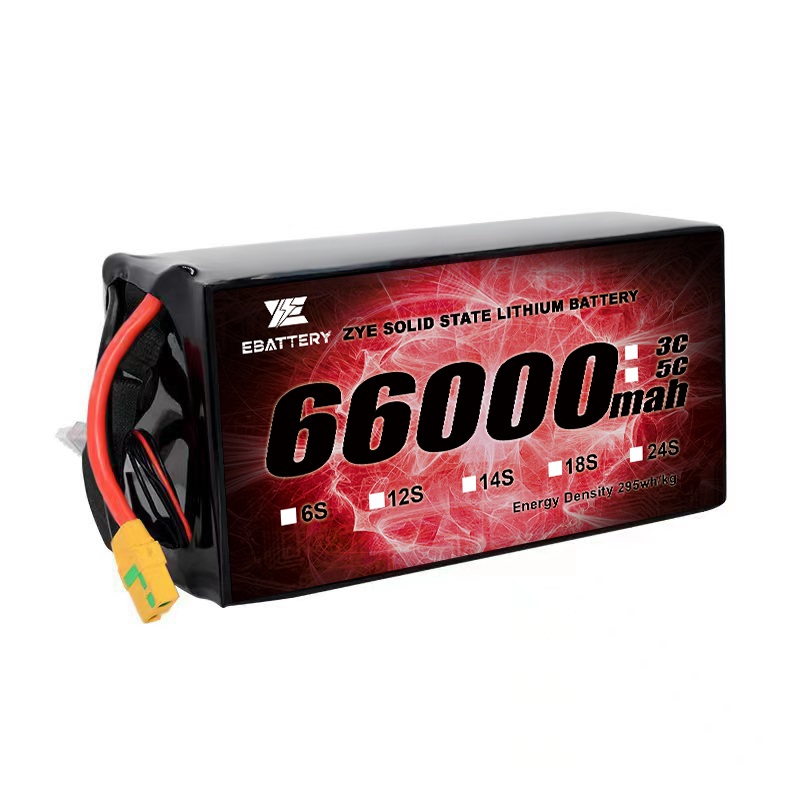
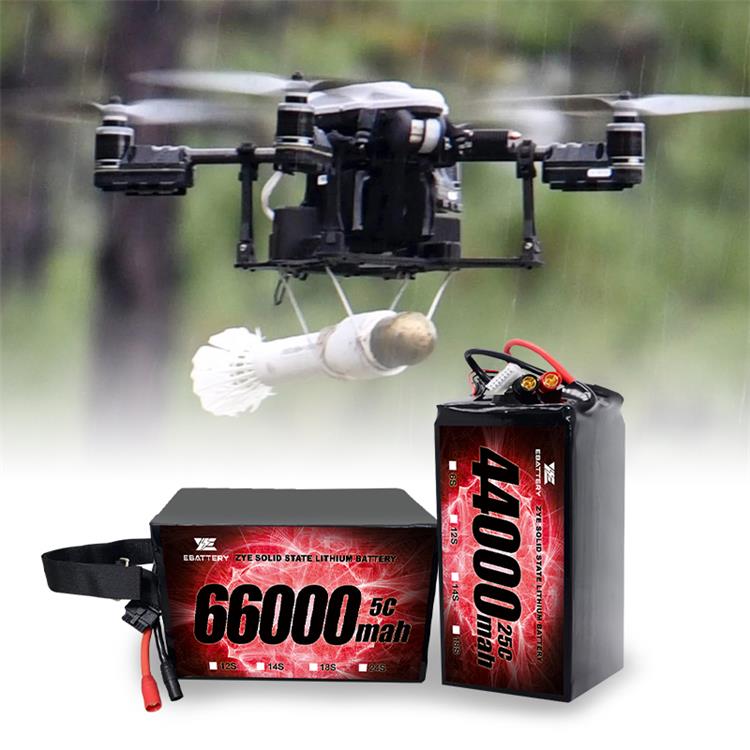
A solid state drone battery boosts flight time by packing more usable energy into less weight, holding voltage better under load, and wasting less power as heat. For commercial UAVs, that can mean longer missions, fewer battery swaps, and more work done per flight.
1. Higher energy density
The biggest reason a solid state drone battery lasts longer in the air is simple: it can store more energy in the same size pack. In practical terms, that gives your UAV more watt-hours without making the battery heavier. When the battery weight stays down and the energy stays up, flight time improves right away.
2. Better voltage stability
Flight time is not only about capacity. It also depends on how well the battery holds voltage when the drone pulls hard on takeoff, climbs, or carries a payload. A solid state design usually keeps voltage steadier under load, so the motors work more efficiently instead of fighting sag. That helps the drone stay in the air longer and feel stronger throughout the mission.
3. Less energy lost as heat
Traditional packs lose more energy as internal heat, especially during aggressive flight or fast charging. Solid state drone batteries are built to reduce that kind of loss. When less energy turns into heat, more of it goes into the rotors and the airframe. That small difference adds up over every flight.
4. Lower internal resistance
Internal resistance is one of the hidden reasons a battery runs out early. If resistance is high, the pack has to work harder to deliver the same power, and efficiency drops. Solid state chemistry can reduce that strain, which means the drone gets more useful output from each charge. In other words, the battery works smarter, not harder.
5. More consistent discharge
A battery that starts strong but drops off quickly is frustrating in real operations. Solid state drone batteries are better at keeping a flatter discharge curve, so the power feels more consistent from launch to landing. That consistency helps pilots use more of the pack safely, instead of landing early just to protect performance.
6. Stronger performance in tough conditions
Weather matters. Cold air, heat, wind, and altitude can all shorten flight time. Solid state batteries are generally more stable across a wider operating range, so they hold up better when conditions are not ideal. For inspection, mapping, and public-safety drones, that stability is a real advantage because the battery is less likely to lose performance when the environment changes.
7. Longer usable life
A battery that fades quickly forces you to replace packs more often, which raises cost and cuts mission readiness. Solid state drone batteries usually age more slowly than standard LiPo packs, so they can keep delivering useful flight time over more cycles. That means the battery stays effective longer, and you get more missions out of the same pack.
What this means for drone buyers
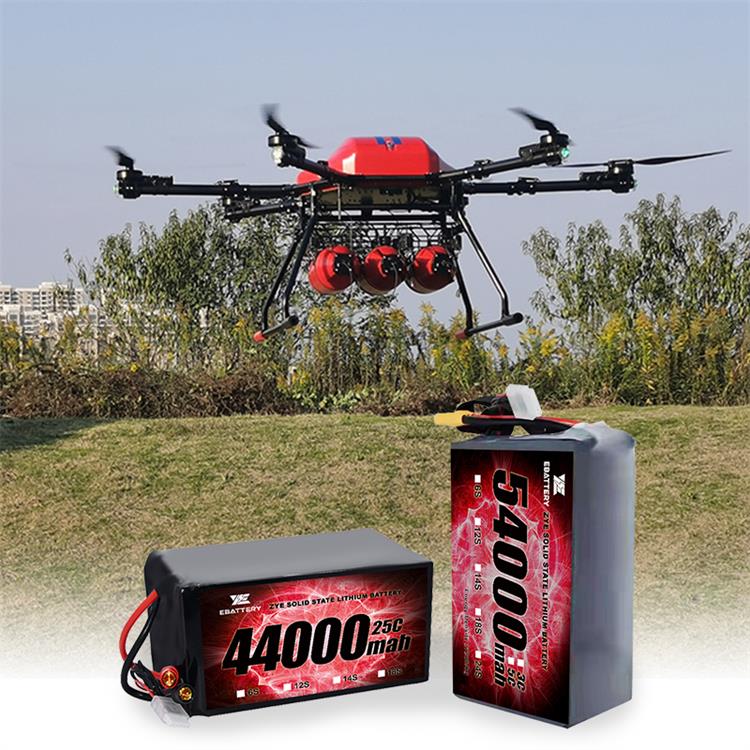
If your goal is maximum endurance, the best battery is not always the biggest one. It is the one that balances energy density, weight, voltage stability, and cycle life for your exact UAV use case. For long-range mapping, delivery, inspection, and commercial filming, a solid state drone battery can be a strong step up from traditional lithium options.
For ZYEBATTERY, that is the main value story: helping OEM customers choose a battery that keeps drones in the air longer without adding unnecessary weight or risk. In some projects, a high-performance LiPo is still the right answer. In others, a solid state lithium-ion solution is the better path when flight time and safety matter most.
Send Inquiry



X
We use cookies to offer you a better browsing experience, analyze site traffic and personalize content. By using this site, you agree to our use of cookies.
Privacy Policy
News
 How to build a drone lipo battery pack?2025/08/28