English
 Español
  Português
  русский
  Français
  日本語
日本語  Deutsch
  tiếng Việt
  Italiano
  Nederlands
  ภาษาไทย
  Polski
  한국어
한국어  Svenska
  magyar
  Malay
Malay  বাংলা ভাষার
  Dansk
Dansk  Suomi
Suomi  हिन्दी
  Pilipino
  Türkçe
  Gaeilge
  العربية
  Indonesia
  Norsk
Norsk  تمل
تمل  český
český  ελληνικά
  український
  Javanese
  فارسی
فارسی  தமிழ்
தமிழ்  తెలుగు
  नेपाली
  Burmese
  български
  ລາວ
ລາວ  Latine
  Қазақша
  Euskal
  Azərbaycan
  Slovenský jazyk
  Македонски
  Lietuvos
  Eesti Keel
  Română
  Slovenski
  मराठी
मराठी  Srpski језик

Call Us
+86-15768259626
Email Us
coco@zyepower.com

5 Ways Drone Battery Technology Is Making Inspections Cheaper for Small Businesses
A roofing contractor in Ohio. A solar farm operator in Texas. A cell tower maintenance crew in the Pacific Northwest. Three completely different businesses — same problem. Inspections are expensive, time-consuming, and logistically complicated.
Drones changed that math. But what's really driving the cost reduction isn't just the aircraft. It's the battery technology behind it. Better UAV batteries mean longer flights, fewer interruptions, lower operating costs, and more reliable results. And those gains are landing hardest where they matter most — small businesses running lean operations with limited tolerance for downtime or waste.
Here are five specific ways drone battery technology is making inspections cheaper for small operators.
1. Longer Flight Times Mean Fewer Site Visits
Five years ago, a 20-minute flight window was standard for most commercial drone platforms. Today, high energy density lithium polymer batteries are routinely delivering 40 to 55 minutes of flight time on inspection-class UAVs — and solid-state lithium-ion technology is pushing that further.
For a small business owner paying a drone operator by the hour, or running their own drone program, that difference is direct cost savings. More ground covered per flight means fewer mobilizations, fewer return trips, and inspection jobs that wrap in a single session instead of two.
2. Smarter BMS Cuts Battery Replacement Costs
Battery replacement is a recurring operational expense that adds up fast — especially for small businesses that can't absorb costs the way large fleets can. The culprit is usually premature degradation: cells dying early because of overcharge, deep discharge, or thermal stress that a basic protection circuit didn't catch.
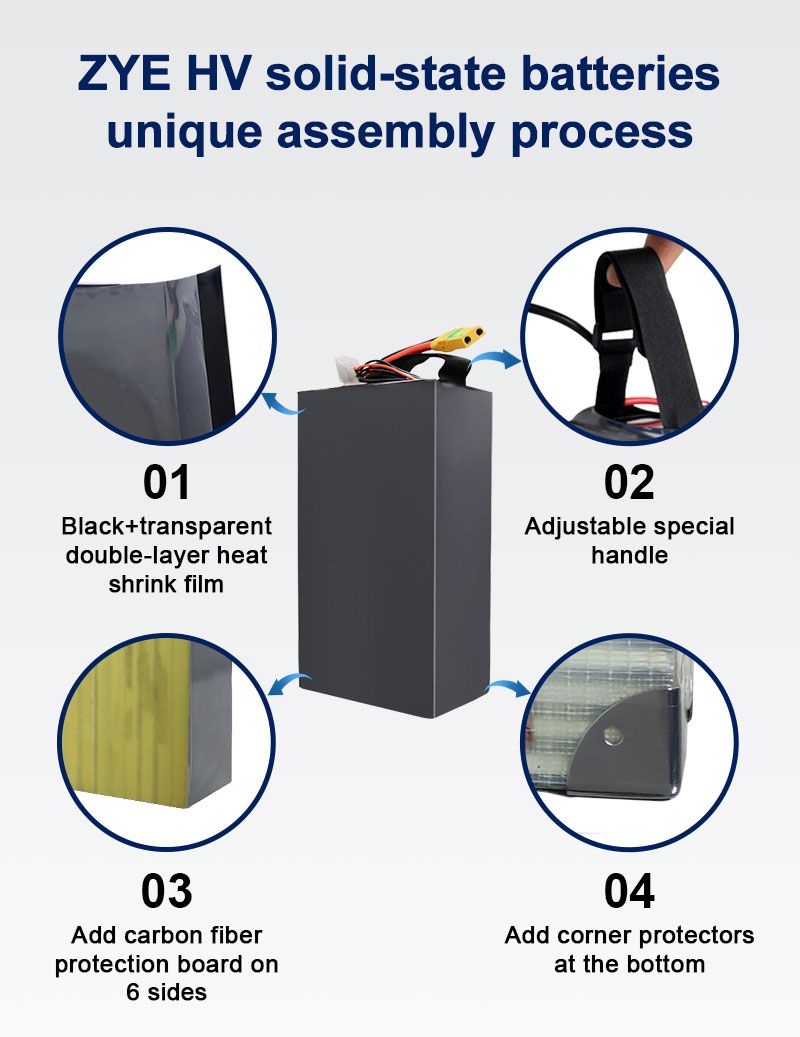
Modern UAV batteries with integrated battery management systems (BMS) actively prevent the conditions that shorten cell life. Overcharge protection, low-voltage cutoffs, cell balancing, and temperature monitoring all extend usable cycle life considerably. A pack that lasts 400 well-managed cycles instead of 200 poorly managed ones cuts your per-flight battery cost roughly in half.
That's not a trivial number when you're running a small inspection business on tight margins.
3. Faster Turnaround Between Flights Reduces Labor Costs
Inspection jobs have a labor clock running the whole time — operator time on site is money. Waiting 90 minutes between flights for a battery to charge is expensive idle time.
High-discharge-rated LiPo batteries paired with compatible fast chargers have compressed that window significantly. Some setups now support charge cycles under 30 minutes without meaningful impact on cell longevity. For a solo operator running a two-battery rotation, that's the difference between a four-hour site visit and a two-hour one.
4. Cold Weather Reliability Opens More Working Days
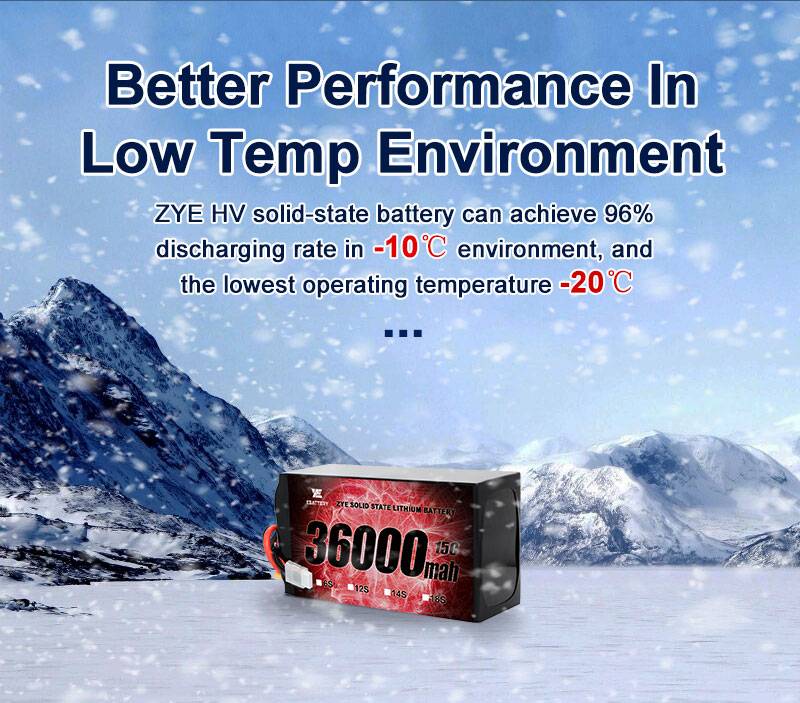
Seasonal limitations are a real revenue constraint for inspection businesses in northern climates. Cold temperatures hit lithium chemistry hard — conventional packs lose substantial capacity below 40°F, shortening flight windows and sometimes making operations impractical.
Newer drone battery designs with improved low-temperature discharge performance are extending the operational calendar. Batteries rated for stable output down to -4°F or below give small operators viable working windows in conditions that used to be non-starters. More working days per year means more revenue without adding headcount or equipment.
5. Reliable Performance Reduces Mission Failures
A failed inspection mission — cut short by an unexpected battery shutdown, a low-voltage event, or erratic performance — costs more than just time. There's travel, rescheduling, potential client friction, and in some cases regulatory documentation that needs to restart.
Consistent, predictable battery performance is underrated as a cost factor. UAV batteries engineered specifically for commercial inspection duty cycles — with tighter cell matching, validated discharge curves, and robust BMS protection — produce fewer surprises in the field. For a small business where every job counts, that reliability has real dollar value.
The Bottom Line
Drone inspection economics for small businesses hinge on efficiency — flight time, battery lifespan, turnaround speed, and operational consistency. All four connect directly back to battery design and quality.
ZYEBATTERY builds high-performance lithium polymer and solid-state lithium-ion UAV batteries engineered for exactly these demands. If your inspection operation is running on batteries that weren't designed for commercial duty cycles, the upgrade pays for itself faster than most operators expect.
Send Inquiry



X
We use cookies to offer you a better browsing experience, analyze site traffic and personalize content. By using this site, you agree to our use of cookies.
Privacy Policy
News
 How to build a drone lipo battery pack?2025/08/28