English
 Español
  Português
  русский
  Français
  日本語
日本語  Deutsch
  tiếng Việt
  Italiano
  Nederlands
  ภาษาไทย
  Polski
  한국어
한국어  Svenska
  magyar
  Malay
Malay  বাংলা ভাষার
  Dansk
Dansk  Suomi
Suomi  हिन्दी
  Pilipino
  Türkçe
  Gaeilge
  العربية
  Indonesia
  Norsk
Norsk  تمل
تمل  český
český  ελληνικά
  український
  Javanese
  فارسی
فارسی  தமிழ்
தமிழ்  తెలుగు
  नेपाली
  Burmese
  български
  ລາວ
ລາວ  Latine
  Қазақша
  Euskal
  Azərbaycan
  Slovenský jazyk
  Македонски
  Lietuvos
  Eesti Keel
  Română
  Slovenski
  मराठी
मराठी  Srpski језик

Call Us
+86-15768259626
Email Us
coco@zyepower.com

Can Solid State Drone Batteries Reduce Fire Risks vs Lipo?
Solid state drone batteries can significantly reduce fire risks compared with LiPo packs, mainly because of how their electrolyte, structure, and failure modes are engineered.
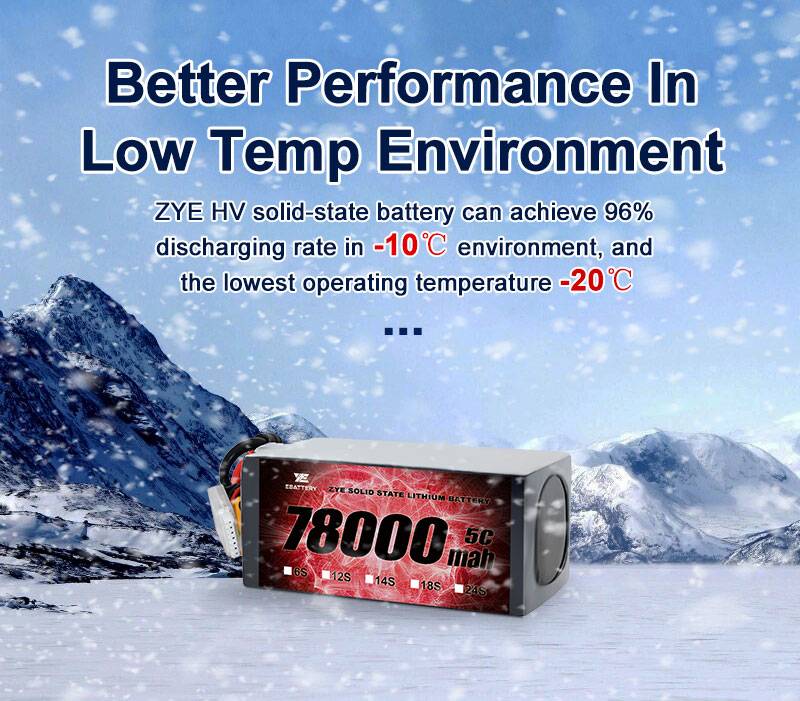
1. Non‑flammable electrolyte instead of volatile liquid
Traditional LiPo batteries use a liquid or gel electrolyte filled with organic solvents that are highly flammable. When a LiPo pack is overcharged, crushed, punctured, or overheated, this liquid can leak, vaporize, and ignite, causing thermal runaway and fire.
A solid state drone battery replaces that liquid with a stable solid or semi‑solid medium that does not contain those volatile solvents, so there is far less fuel available to burn even under abuse.
This fundamental change in materials means solid state UAV batteries are much less prone to self‑ignition or violent flame spread inside the pack.
2. Better resistance to overheating and internal short circuits
Fire incidents in LiPo packs often start with an internal short circuit, sometimes triggered by dendrites or separator damage, which rapidly heats the flammable electrolyte.
In a solid state UAV battery, the solid or semi‑solid electrolyte helps suppress dendrite growth and physically blocks many of the pathways that cause internal shorts, so the cell is more stable under high load or aggressive charging.
As a result, solid state drone batteries tolerate higher temperatures and demanding flight profiles—steep climbs, heavy hover, fast recharge—while keeping the probability of runaway heating much lower than LiPo.
3. No liquid leakage after crashes or punctures
When a LiPo pouch is damaged in a crash or rough landing, the soft casing can tear and spill flammable electrolyte into the drone’s electronics bay or onto hot components.
A solid state drone battery uses solid materials that do not leak, even if the outer shell is compromised, so there is no puddle or spray of combustible liquid to ignite or corrode nearby hardware.
Semi‑solid designs used in some UAV packs mix solid and limited liquid components in a way that improves structural integrity and minimizes electrolyte escape, which further reduces post‑crash fire risk.
4. More stable behavior over the battery’s lifetime
Old, heavily cycled LiPo packs are more likely to swell, vent, or fail under stress, especially if they have been repeatedly over‑discharged or stored badly.
Solid state UAV batteries generally degrade more slowly, maintaining internal stability and capacity across many more cycles, which lowers the odds of a surprise failure during charging or in mid‑air.
This long‑term stability indirectly boosts safety, because operators are less likely to be flying on “tired” batteries that are close to their breaking point.
5. What this means for ZYEBATTERY and your blog
For your article, you can position the answer clearly:
Solid state drone batteries do reduce fire risks vs LiPo because they use non‑flammable solid electrolytes, show stronger resistance to overheating and internal shorts, and do not leak combustible liquid after impact.
This makes them especially attractive for commercial UAVs flying over cities, critical infrastructure, or sensitive sites where any battery fire would be unacceptable.
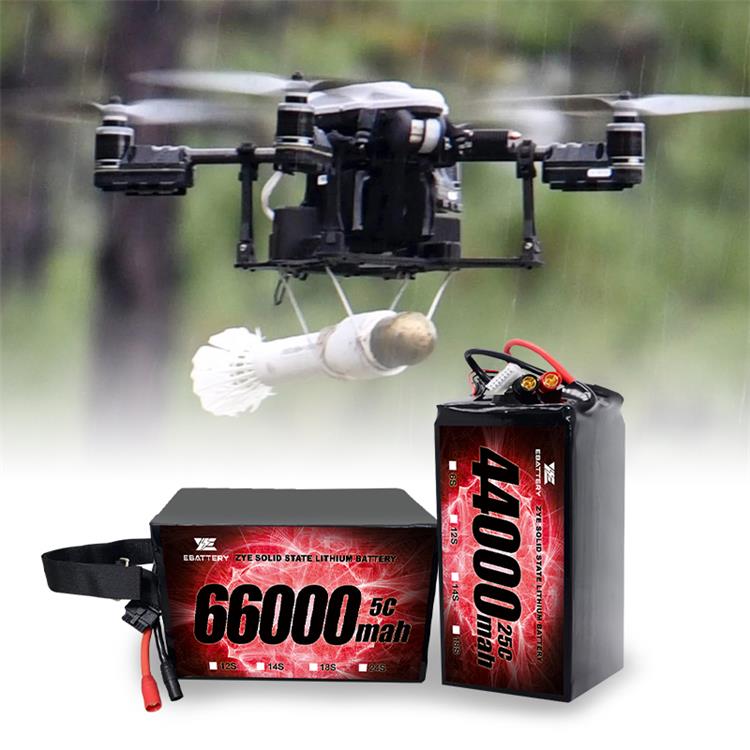
Then link back to ZYEBATTERY: as a manufacturer of high‑performance LiPo and solid state lithium‑ion solutions, ZYEBATTERY can guide OEMs through a safety upgrade path—moving from traditional LiPo packs to safer solid state drone batteries where reduced fire risk is a priority for regulators, insurers, and end customers.
Send Inquiry



X
We use cookies to offer you a better browsing experience, analyze site traffic and personalize content. By using this site, you agree to our use of cookies.
Privacy Policy
News
 How to build a drone lipo battery pack?2025/08/28