English
 Español
  Português
  русский
  Français
  日本語
日本語  Deutsch
  tiếng Việt
  Italiano
  Nederlands
  ภาษาไทย
  Polski
  한국어
한국어  Svenska
  magyar
  Malay
Malay  বাংলা ভাষার
  Dansk
Dansk  Suomi
Suomi  हिन्दी
  Pilipino
  Türkçe
  Gaeilge
  العربية
  Indonesia
  Norsk
Norsk  تمل
تمل  český
český  ελληνικά
  український
  Javanese
  فارسی
فارسی  தமிழ்
தமிழ்  తెలుగు
  नेपाली
  Burmese
  български
  ລາວ
ລາວ  Latine
  Қазақша
  Euskal
  Azərbaycan
  Slovenský jazyk
  Македонски
  Lietuvos
  Eesti Keel
  Română
  Slovenski
  मराठी
मराठी  Srpski језик

Call Us
+86-15768259626
Email Us
coco@zyepower.com

Why Are Solid State Drone Batteries Preferred for Commercial UAVs?
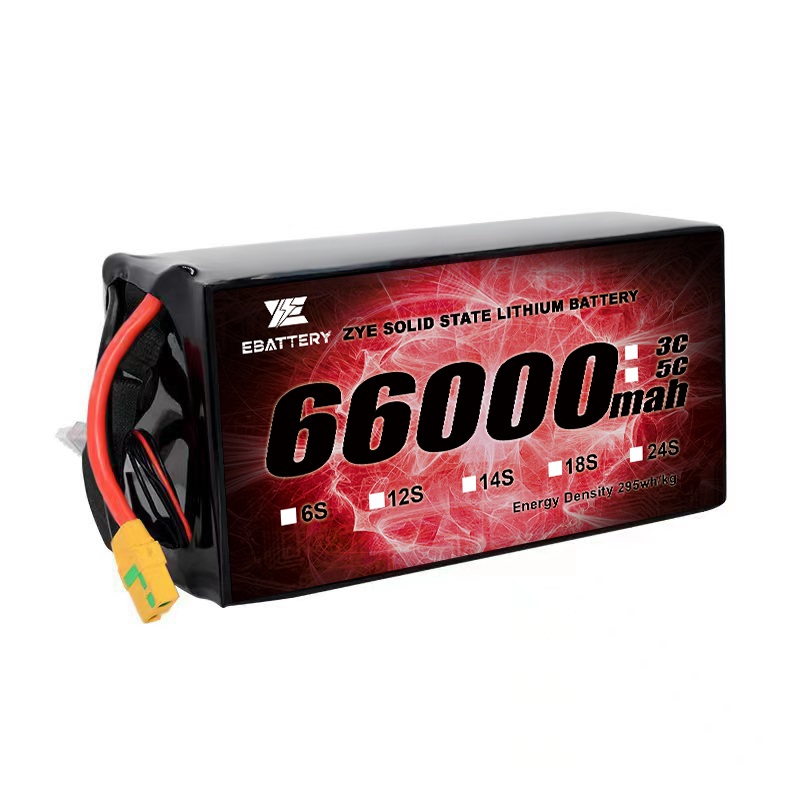
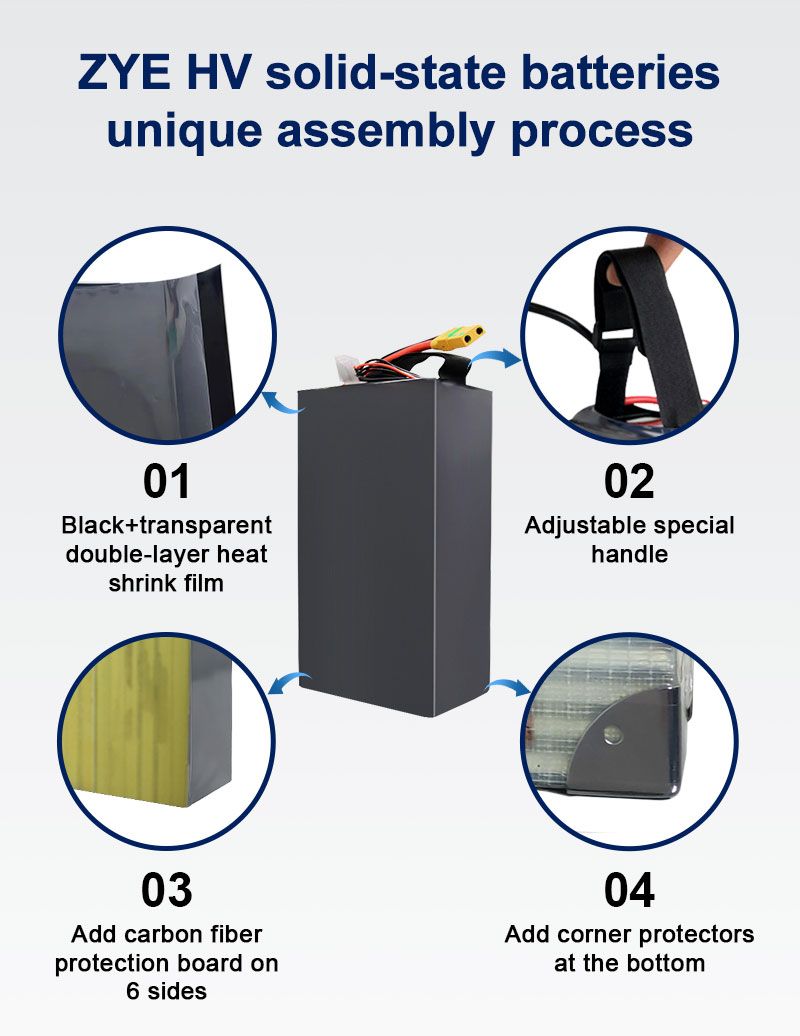
Solid state drone batteries are preferred for commercial UAVs because they combine longer flight time, higher safety, and better lifecycle economics in a way that directly supports business‑critical missions and regulations.
Longer flight time and higher energy density
Commercial UAV operators care about area covered per flight, not just how many batteries they own. Solid state batteries use a solid electrolyte that enables high‑energy anodes such as lithium metal, pushing theoretical pack‑level energy density well beyond conventional Li‑ion and LiPo.
Higher energy density means more watt‑hours in the same weight, so a commercial drone can either fly longer with the same payload or carry more sensors or cargo without sacrificing endurance.
Pilot deployments in drones and eVTOLs suggest that solid state packs can significantly increase range and loiter time, which is crucial for mapping, inspection, logistics, and ISR missions.
Improved safety for flights over people and infrastructure
For commercial UAVs flying BVLOS or over populated areas, safety is as important as performance. Solid state batteries remove the flammable liquid electrolyte found in standard Li‑ion and LiPo packs, dramatically reducing the risk of thermal runaway and fire.
The solid electrolyte is structurally stable and less prone to leakage, puncture, or venting during hard landings, vibration, or minor collisions, which simplifies containment and emergency procedures.
This higher intrinsic safety helps operators and manufacturers address regulatory requirements and risk‑category constraints for urban airspace and industrial sites.
Wider operating window and mission reliability
Commercial UAVs are expected to work in hot summers, cold winters, offshore winds, and high‑altitude environments. Solid state chemistries offer a wider and more predictable operating temperature range, maintaining structural integrity and stable discharge curves even in sub‑zero or very hot conditions.
This resilience means fewer unexpected drops in voltage or capacity, so flight planning is more accurate and missions are less likely to be cut short by weather.
For professional operators, that reliability translates directly into higher service levels and fewer cancelled sorties.
Longer lifespan and better total cost of ownership
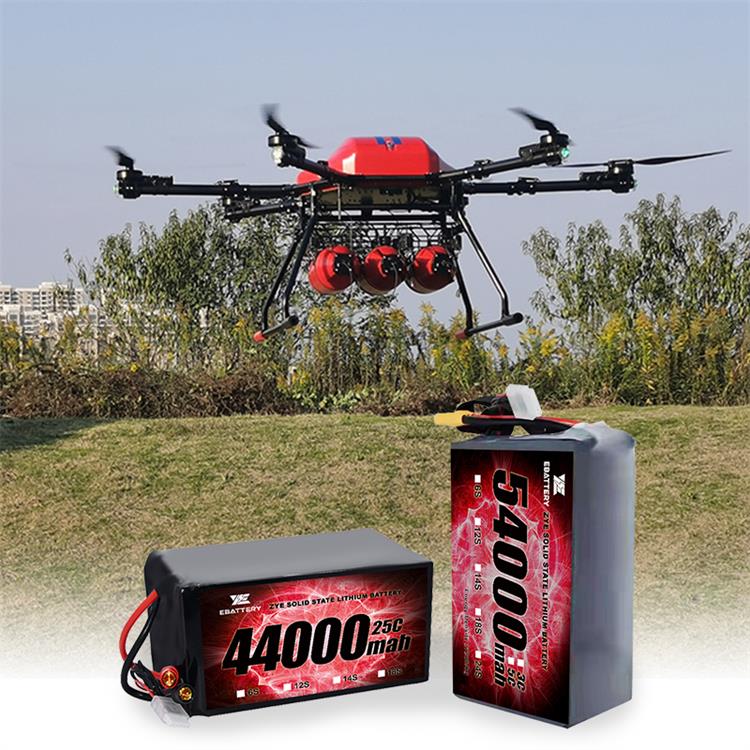
While solid state packs are more expensive upfront, they are designed to deliver many more charge–discharge cycles with slower capacity fade than conventional Li‑ion or LiPo.
Longer cycle life, combined with higher usable energy per flight, reduces the cost per operational hour and lowers the number of spare packs needed in a high‑utilization commercial fleet.
For inspection, logistics, or agriculture businesses, this improved total cost of ownership can offset the initial price premium over the battery’s service life.
Better fit for commercial‑grade UAV design
Solid state drone batteries also simplify the engineering of commercial UAV platforms. Their thermal stability reduces the need for heavy fire‑mitigation structures, freeing weight and space for payload or redundancy.
They can be tailored into different form factors to integrate into wings, fuselages, or modular bays, which helps OEMs optimize aerodynamics, center of gravity, and serviceability for professional systems.
For a manufacturer like ZYEBATTERY, CEBATTERY, this means solid state lithium solutions can be co‑designed with high‑performance LiPo options to give commercial UAV customers a clear upgrade path: start with advanced polymer packs, then move to solid state when mission profiles, regulations, and ROI justify the step.
Send Inquiry



X
We use cookies to offer you a better browsing experience, analyze site traffic and personalize content. By using this site, you agree to our use of cookies.
Privacy Policy
News
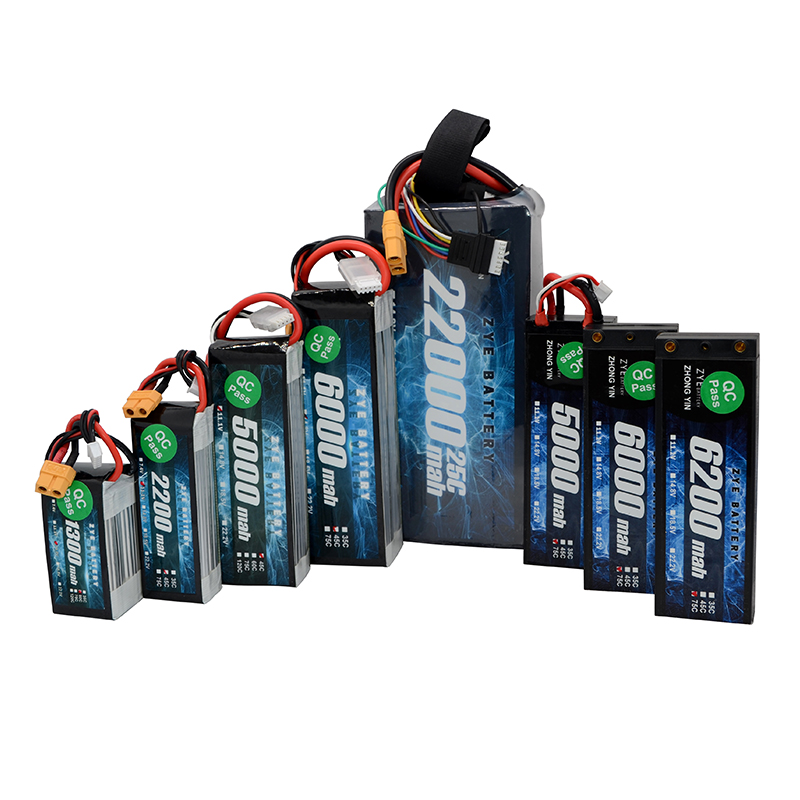 How to build a drone lipo battery pack?2025/08/28