English
 Español
  Português
  русский
  Français
  日本語
日本語  Deutsch
  tiếng Việt
  Italiano
  Nederlands
  ภาษาไทย
  Polski
  한국어
한국어  Svenska
  magyar
  Malay
Malay  বাংলা ভাষার
  Dansk
Dansk  Suomi
Suomi  हिन्दी
  Pilipino
  Türkçe
  Gaeilge
  العربية
  Indonesia
  Norsk
Norsk  تمل
تمل  český
český  ελληνικά
  український
  Javanese
  فارسی
فارسی  தமிழ்
தமிழ்  తెలుగు
  नेपाली
  Burmese
  български
  ລາວ
ລາວ  Latine
  Қазақша
  Euskal
  Azərbaycan
  Slovenský jazyk
  Македонски
  Lietuvos
  Eesti Keel
  Română
  Slovenski
  मराठी
मराठी  Srpski језик

Call Us
+86-15768259626
Email Us
coco@zyepower.com

Why Battery Design Is the Hidden Constraint in AI-Powered Data Collection Drones
The conversation around AI-powered drones tends to focus on what's new and exciting — onboard inference chips, edge computing modules, neural networks running real-time object detection at altitude. It's compelling hardware. And it draws attention away from the component that's quietly limiting all of it.
The battery.
Not because battery technology is stagnant. It's improved considerably. But because the power demands of AI-integrated UAV systems have grown faster than most battery designs have kept pace with — and the gap shows up in ways that aren't always obvious until you're deep into a deployment.
What AI Payloads Actually Demand From a Battery
A standard mapping drone with a fixed camera has a predictable, relatively stable power draw. An AI-powered data collection drone is a different machine.
Onboard AI processors — the kind running computer vision, anomaly detection, or real-time classification — consume significant and variable power. The load fluctuates based on processing intensity, data throughput, and how aggressively the system is running inference. Stack that on top of motors, flight controller, sensors, and communication systems, and you have a power profile that's irregular, peaks unpredictably, and demands consistent voltage delivery throughout.
This is where battery design becomes a genuine constraint, not just a supporting component.
The Three Design Factors That Actually Matter
Energy Density
AI data collection missions tend to run long. Longer flight time means more area covered, more data captured, better return on the mission investment. Energy density — watt-hours per kilogram — is the metric that determines how much runtime you get without adding weight that hurts flight performance.
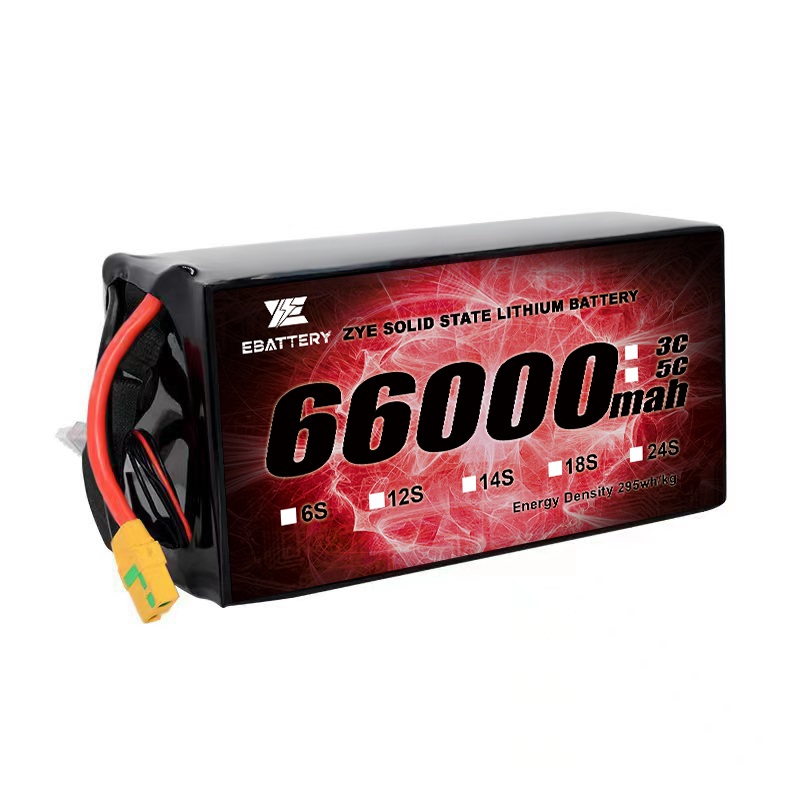
For AI-heavy UAV configurations, lithium polymer batteries remain a strong choice because of their favorable energy density relative to weight. Solid-state lithium-ion batteries are pushing this further, offering improved energy density with better thermal stability — increasingly relevant as onboard compute generates additional heat inside the airframe.
Discharge Consistency Under Variable Load
This is the one most operators underestimate. When an AI processor hits a heavy inference cycle, current draw spikes. A battery with poor discharge consistency responds with voltage sag — a temporary drop that can cause system instability, reset peripheral devices, or trigger low-voltage warnings that interrupt the mission.
A well-designed UAV battery holds voltage steady across a wide discharge range and handles load spikes without significant sag. That requires quality cell selection, tight internal resistance specs, and BMS logic calibrated to the application — not generic defaults.
Thermal Management
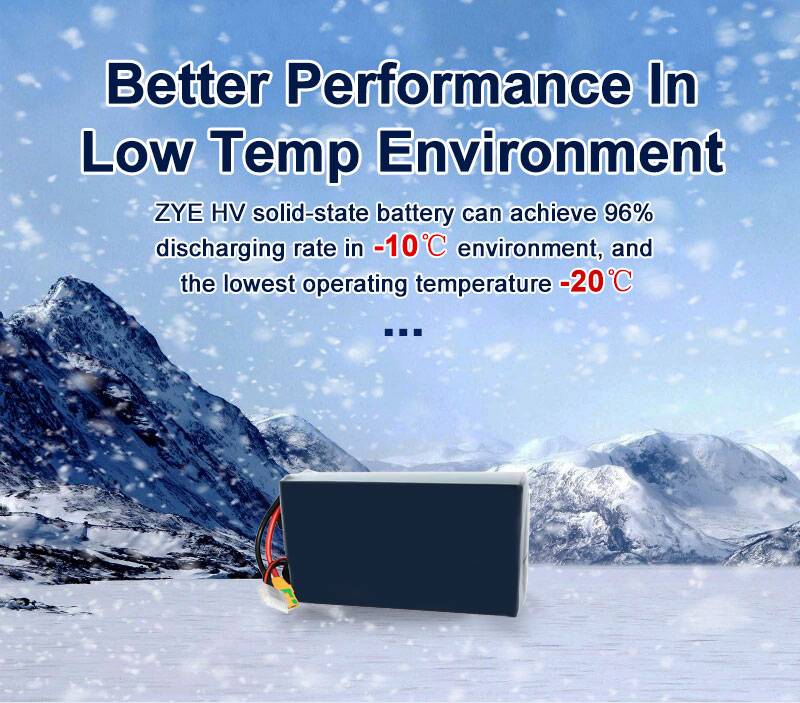
AI processors run warm. Combine that with high-discharge LiPo cells inside a compact airframe, and thermal management becomes a real engineering problem. Heat accelerates lithium polymer degradation, affects discharge performance mid-flight, and in worst cases creates safety risks.
Battery designs for AI drone applications need to account for the thermal environment they'll operate in — not just ambient temperature, but the heat generated by neighboring hardware inside the aircraft.
Why This Gets Overlooked
AI drone development tends to be software and payload-forward. Teams invest heavily in the intelligence layer — training models, optimizing inference pipelines, validating sensor accuracy — and treat the power system as a commodity procurement decision.
That works until it doesn't. Then you're troubleshooting mid-mission shutdowns, inconsistent flight times, and premature battery degradation without a clear diagnosis. The root cause is often a battery that was never designed for the load profile it's actually running.
Matching the Battery to the Mission
For operators and engineers building or deploying AI-powered data collection drones, the battery selection conversation needs to happen earlier — at the system design stage, not as a last-minute spec check.
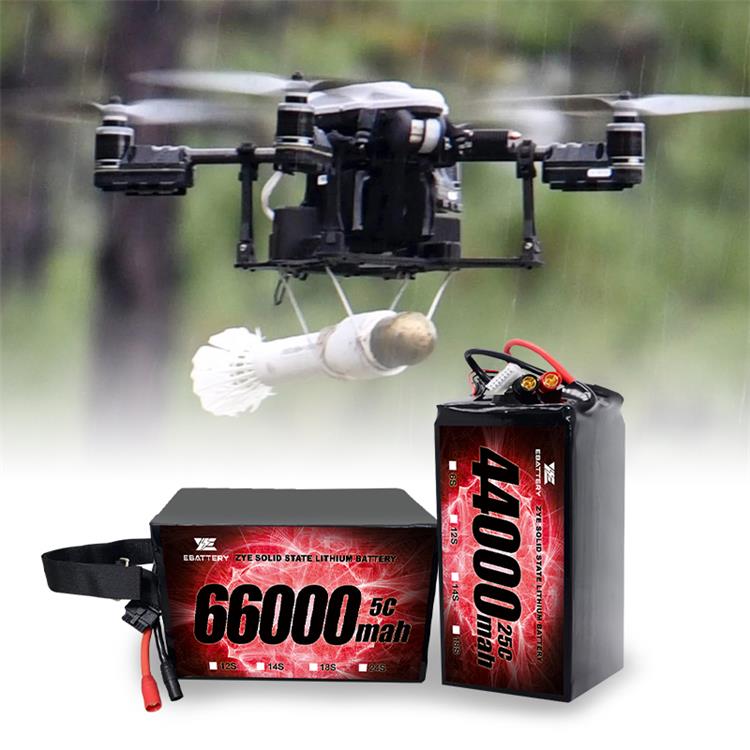
ZYEBATTERY develops high-performance lithium polymer and solid-state lithium-ion UAV batteries built for demanding applications where power consistency and reliability aren't optional. The focus is on batteries that match the actual operating conditions of advanced drone platforms — variable loads, extended missions, and environments where failure isn't a recoverable situation.
If your drone is getting smarter, its battery needs to keep up.
Send Inquiry



X
We use cookies to offer you a better browsing experience, analyze site traffic and personalize content. By using this site, you agree to our use of cookies.
Privacy Policy
News
 How to build a drone lipo battery pack?2025/08/28