English
 Español
  Português
  русский
  Français
  日本語
日本語  Deutsch
  tiếng Việt
  Italiano
  Nederlands
  ภาษาไทย
  Polski
  한국어
한국어  Svenska
  magyar
  Malay
Malay  বাংলা ভাষার
  Dansk
Dansk  Suomi
Suomi  हिन्दी
  Pilipino
  Türkçe
  Gaeilge
  العربية
  Indonesia
  Norsk
Norsk  تمل
تمل  český
český  ελληνικά
  український
  Javanese
  فارسی
فارسی  தமிழ்
தமிழ்  తెలుగు
  नेपाली
  Burmese
  български
  ລາວ
ລາວ  Latine
  Қазақша
  Euskal
  Azərbaycan
  Slovenský jazyk
  Македонски
  Lietuvos
  Eesti Keel
  Română
  Slovenski
  मराठी
मराठी  Srpski језик

Call Us
+86-15768259626
Email Us
coco@zyepower.com

Why are solid state batteries better?
Why Are Solid State Batteries Better? A Plain-English Explanation for UAV Users
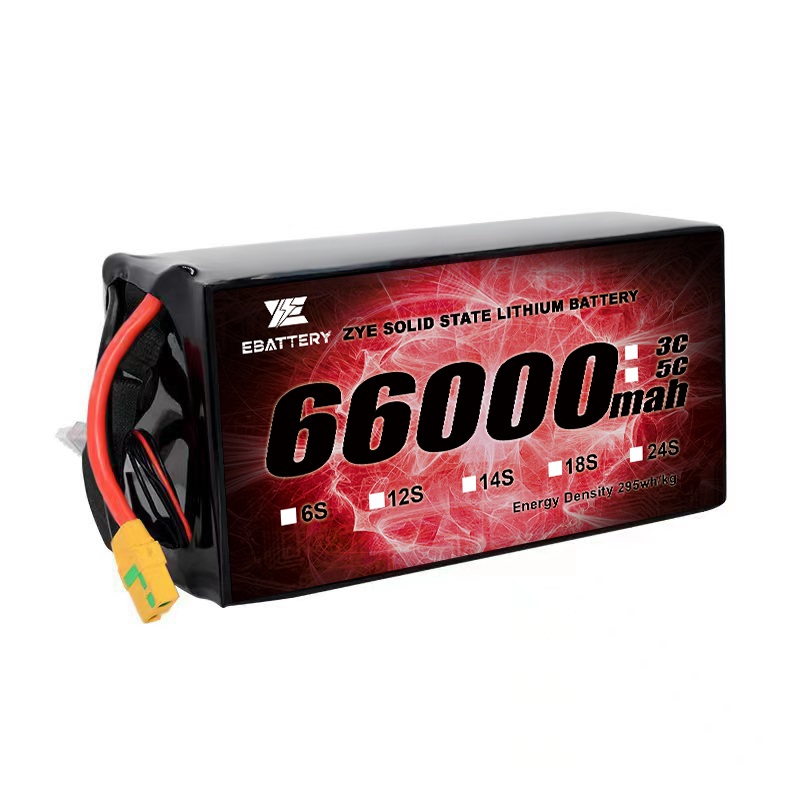
The term "solid state battery" gets used constantly in drone industry conversations now. Manufacturers promote it. Trade publications cover it. And most UAV operators are left wondering whether it's a genuine improvement or another technology trend that sounds impressive until you actually try to buy 1.
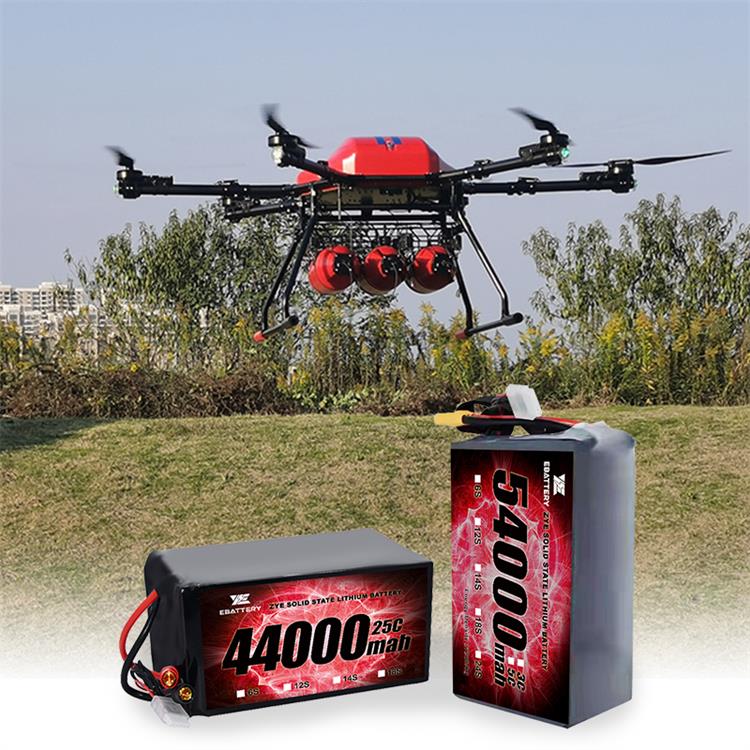
It's a genuine improvement. But understanding why requires getting past the press release language and looking at what actually changes when you replace liquid electrolyte with solid material — and why those changes matter for people flying drones.
Start With What's Different About How They're Built
A conventional lithium polymer battery moves lithium ions between electrodes through a liquid or gel electrolyte during charge and discharge. That electrolyte does its job well, but it comes with 3 fundamental limitations that have defined the ceiling on LiPo performance for decades: it's flammable, it degrades over time through oxidation, and its ion-conducting efficiency drops in cold temperatures.
Solid state batteries replace that liquid with a solid material — typically ceramic, polymer, or sulfide-based compounds depending on the design. The ions still move between the same basic electrode materials. They just move through something that doesn't burn, degrades more slowly, and behaves more consistently across a wider temperature range.
That 1 substitution drives most of the performance advantages.
Why They're Safer in Practical Terms
The safety improvement isn't theoretical. It comes directly from removing the flammable component.
When a LiPo battery sustains physical damage, gets overcharged beyond its voltage ceiling, or experiences a sustained internal short circuit, the liquid electrolyte can reach ignition temperature. Once thermal runaway starts in a liquid-electrolyte cell, the reaction sustains itself — heat produces gas, gas ruptures the cell, the flammable electrolyte contacts air, and fire follows.
Solid electrolytes don't have that pathway. There's nothing to ignite. A damaged solid state cell loses function. It doesn't become a fire hazard. For UAV operators running missions over populated areas, near flammable materials, or simply dealing with the aftermath of a hard crash, that difference is significant beyond the spec sheet.
Why They Last Longer
Lithium polymer batteries degrade through several mechanisms, and the electrolyte is involved in most of them. Electrolyte oxidation at high charge voltages, electrolyte breakdown at the electrode interface during fast charging, and electrolyte decomposition during deep discharge all contribute to capacity fade over a battery's service life.
Solid electrolytes are more chemically stable than their liquid counterparts. The degradation mechanisms that shorten LiPo cycle life either don't occur in solid state chemistry or occur significantly more slowly. The practical result: solid state UAV batteries in commercial applications are demonstrating 600 to 900 cycles at 80% capacity retention versus 300 to 500 cycles for equivalent LiPo packs.
For an operator replacing batteries on a regular schedule, longer-lasting batteries are simply cheaper batteries per flight over the service life.
Why They Can Store More Energy
This advantage is architectural. Solid state chemistry is compatible with lithium metal anodes, which store significantly more lithium ions per gram than the graphite anodes used in conventional LiPo cells. More stored energy per gram means higher energy density — and more energy density means longer flight times at equivalent battery weight, or the same flight time at lower weight.
Current production solid state UAV batteries are delivering 330 to 400 Wh/kg at the pack level versus 200 to 260 Wh/kg for quality LiPo alternatives. That gap directly extends how far and how long drones can fly on a single charge.
What "Better" Doesn't Mean Yet
Honesty requires noting where LiPo still has real advantages in 2026: lower cost per unit, wider availability, and better performance under very high discharge rates in certain racing and heavy-lift applications. Solid state isn't universally superior for every use case today.
But for commercial UAV operators prioritizing safety, endurance, and long-term operating economics, the chemistry shift is already delivering.
ZYEBATTERY's Solid State UAV Batteries
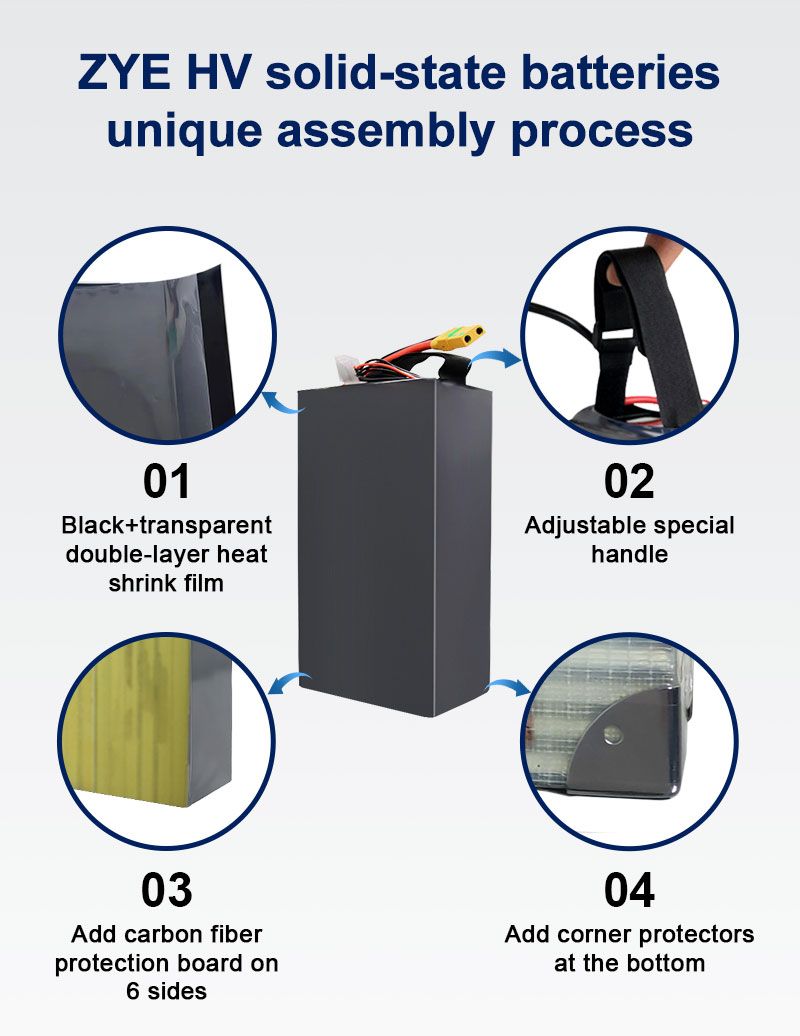
ZYEBATTERY develops solid state lithium ion and high-performance lithium polymer UAV batteries for operators across commercial and industrial applications. Understanding why solid state batteries are better is the starting point — matching the right battery to your specific operation is where that understanding becomes useful.
Send Inquiry



X
We use cookies to offer you a better browsing experience, analyze site traffic and personalize content. By using this site, you agree to our use of cookies.
Privacy Policy
News
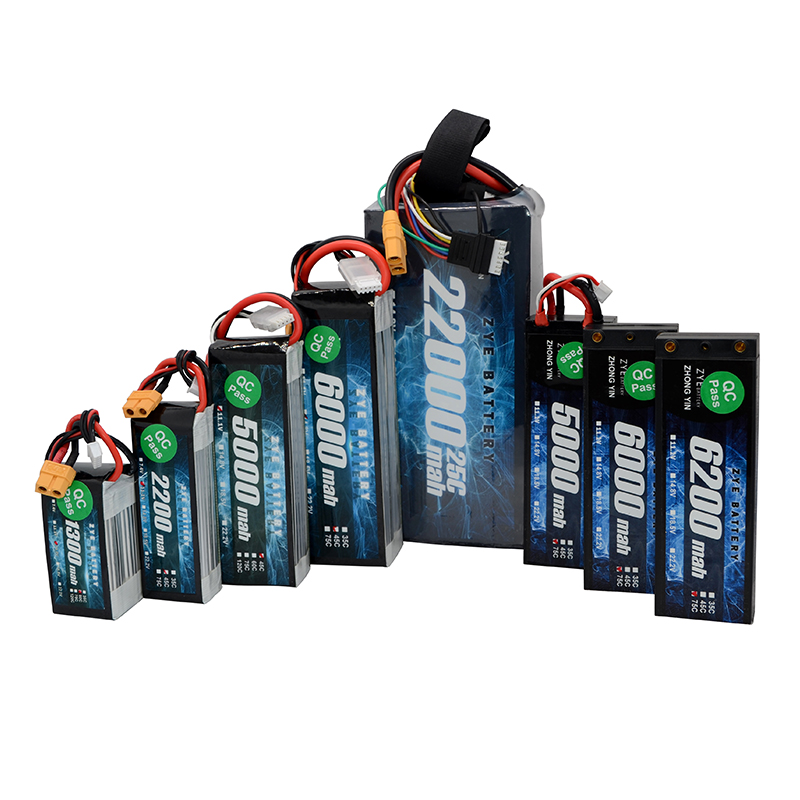 How to build a drone lipo battery pack?2025/08/28