English
 Español
  Português
  русский
  Français
  日本語
日本語  Deutsch
  tiếng Việt
  Italiano
  Nederlands
  ภาษาไทย
  Polski
  한국어
한국어  Svenska
  magyar
  Malay
Malay  বাংলা ভাষার
  Dansk
Dansk  Suomi
Suomi  हिन्दी
  Pilipino
  Türkçe
  Gaeilge
  العربية
  Indonesia
  Norsk
Norsk  تمل
تمل  český
český  ελληνικά
  український
  Javanese
  فارسی
فارسی  தமிழ்
தமிழ்  తెలుగు
  नेपाली
  Burmese
  български
  ລາວ
ລາວ  Latine
  Қазақша
  Euskal
  Azərbaycan
  Slovenský jazyk
  Македонски
  Lietuvos
  Eesti Keel
  Română
  Slovenski
  मराठी
मराठी  Srpski језик

Call Us
+86-15768259626
Email Us
coco@zyepower.com

Are solid state batteries affected by cold in 2026?
Are Solid State Batteries Affected by Cold? What UAV Pilots Need to Know
Cold weather and lithium batteries have always had a difficult relationship. Any pilot who's flown commercially through a northern winter has experienced the anxiety of watching capacity estimates drop mid-flight, or returning from a 40-minute mission in 10 minutes because the pack decided the temperature was unacceptable.
Solid state batteries change that relationship — but not completely. The honest answer to whether they're affected by cold is: yes, but significantly less than lithium polymer, and in ways that matter differently to UAV operations.
Here's what's actually happening and what it means for pilots flying in cold environments.
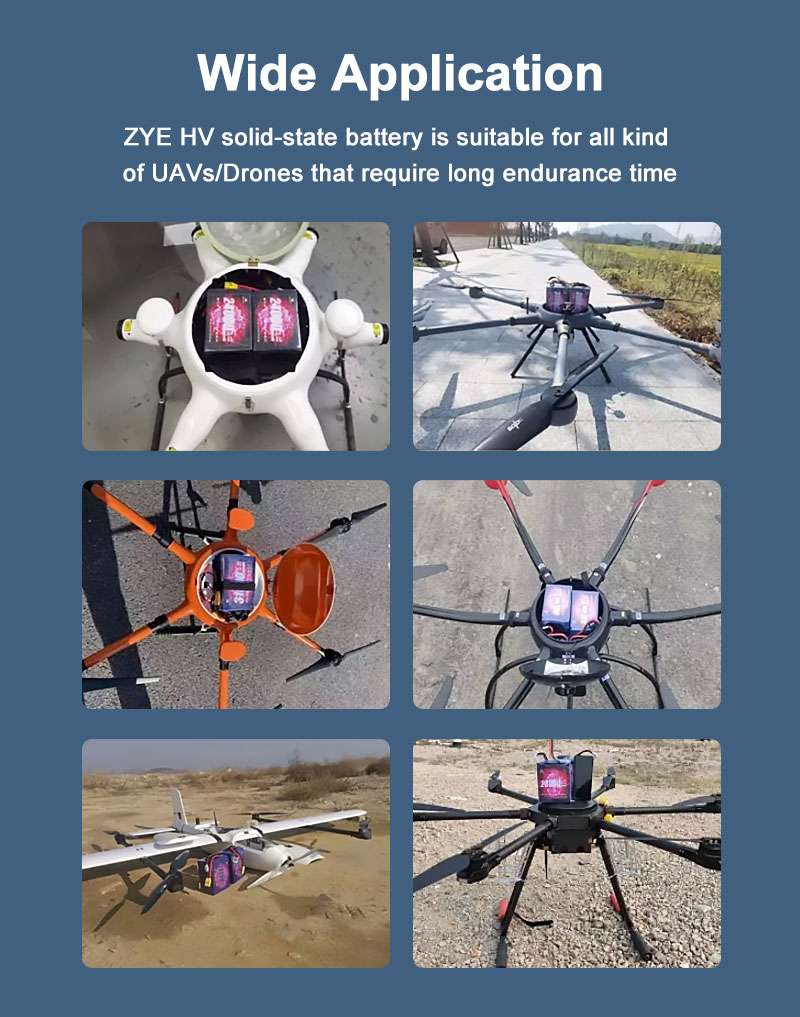
Why Cold Affects Any Lithium Battery
The core mechanism is straightforward. Lithium batteries move ions through an electrolyte between electrodes during charge and discharge. At lower temperatures, ion mobility slows — the electrolyte becomes more resistive, the battery's internal resistance rises, and the voltage it can deliver under load drops.
The consequences in the air: shorter effective flight times, reduced power delivery on high-demand inputs, and capacity estimates that become less reliable as the operating temperature drifts further from the battery's calibrated range.
This happens to all lithium chemistry to some degree. The question is how much — and that's where solid state and LiPo diverge meaningfully.
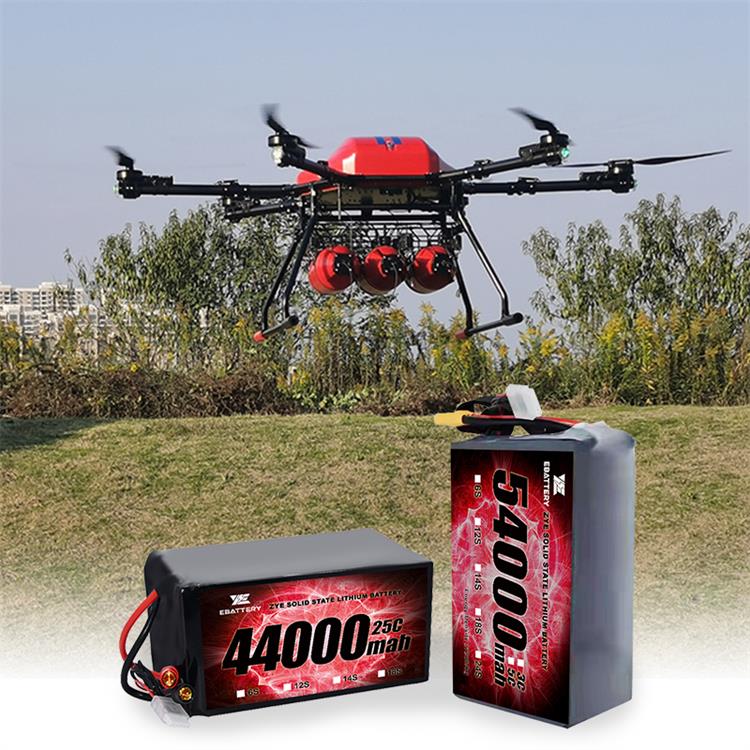
Where Solid State Batteries Handle Cold Better Than LiPo
Liquid electrolytes in conventional lithium polymer batteries are particularly sensitive to temperature. As temperature drops, viscosity increases and ionic conductivity falls sharply — a 40°F morning can reduce a LiPo pack's effective capacity by 20 to 30% compared to room temperature performance. Below 14°F, some LiPo packs become functionally unreliable for demanding UAV applications.
Solid electrolytes behave differently. The mechanisms of ion transport in solid materials are less temperature-sensitive than liquid-phase ion movement. Solid state UAV batteries generally maintain higher capacity retention at moderate cold temperatures — down to around 14°F to 23°F — compared to equivalent LiPo packs. For UAV pilots flying inspection or mapping missions in temperatures that drop to freezing or slightly below, that difference is operationally significant.
Practically: a solid state battery planned for a 50-minute mission in 25°F conditions might deliver 43 to 46 minutes. An equivalent LiPo pack in the same conditions might deliver 35 to 38 minutes. That gap is meaningful when mission windows are fixed and landing early costs data or contract deliverables.
Where Cold Still Challenges Solid State Chemistry
Cold-weather honesty requires acknowledging where solid state batteries still struggle.
Startup resistance in very cold conditions is a real issue with some solid electrolyte chemistries — particularly sulfide-based materials, which can show elevated resistance below 14°F that requires either a warm-up period or reduced initial discharge rates. Oxide-based solid electrolytes perform more consistently at lower temperatures but come with their own manufacturing cost implications.
Below -4°F, most current-generation solid state UAV batteries require pre-warming protocols similar to those recommended for LiPo packs in extreme cold. The advantage narrows significantly at the low end of the temperature range.
Practical Cold-Weather Protocol for Solid State UAV Batteries
Regardless of chemistry, cold-weather battery operations benefit from consistent habits:
Keep packs insulated until just before launch. In temperatures below 23°F, a brief pre-warm cycle — either through a dedicated battery warmer or stored in a vehicle — brings cells to a more reliable operating temperature. After flight, inspect cell voltage balance before the next charge. Cold discharge stresses cells unevenly and balance drift after cold flights is more common than after temperate operations.
Solid state chemistry makes these protocols less critical than they are with LiPo — but doesn't eliminate them entirely at the cold extreme.
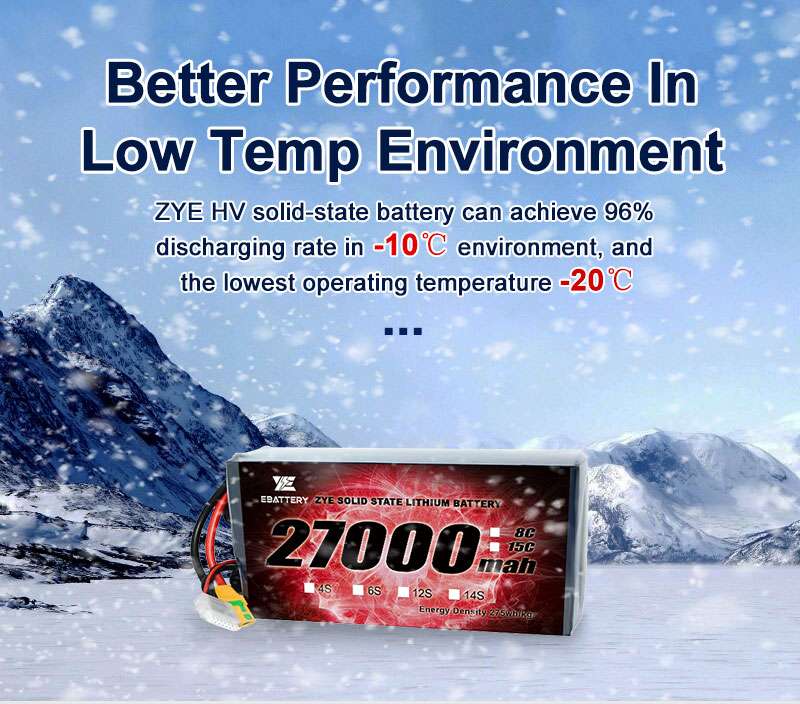
ZYEBATTERY's Solid State UAV Batteries for Cold Climates
ZYEBATTERY develops solid state lithium ion and high-performance lithium polymer UAV batteries with cold-weather operating performance as a documented specification, not an afterthought. For UAV pilots and commercial operators working in cold climates, knowing exactly where the chemistry's limits are is part of making the right battery choice.
Cold affects solid state batteries less. In real operations, that difference matters more than most pilots expect until they've flown both side by side.
Send Inquiry



X
We use cookies to offer you a better browsing experience, analyze site traffic and personalize content. By using this site, you agree to our use of cookies.
Privacy Policy
News
 How to build a drone lipo battery pack?2025/08/28