English
 Español
  Português
  русский
  Français
  日本語
日本語  Deutsch
  tiếng Việt
  Italiano
  Nederlands
  ภาษาไทย
  Polski
  한국어
한국어  Svenska
  magyar
  Malay
Malay  বাংলা ভাষার
  Dansk
Dansk  Suomi
Suomi  हिन्दी
  Pilipino
  Türkçe
  Gaeilge
  العربية
  Indonesia
  Norsk
Norsk  تمل
تمل  český
český  ελληνικά
  український
  Javanese
  فارسی
فارسی  தமிழ்
தமிழ்  తెలుగు
  नेपाली
  Burmese
  български
  ລາວ
ລາວ  Latine
  Қазақша
  Euskal
  Azərbaycan
  Slovenský jazyk
  Македонски
  Lietuvos
  Eesti Keel
  Română
  Slovenski
  मराठी
मराठी  Srpski језик

Call Us
+86-15768259626
Email Us
coco@zyepower.com

What are common issues and maintenance tips for drone Batteries?
Lithium polymer batteries, have become the go-to choice for powering a wide range of electronic devices due to their high energy density and lightweight properties.
While lipo battery technology offers numerous benefits, proper care and maintenance are essential to ensure longevity and safe operation:
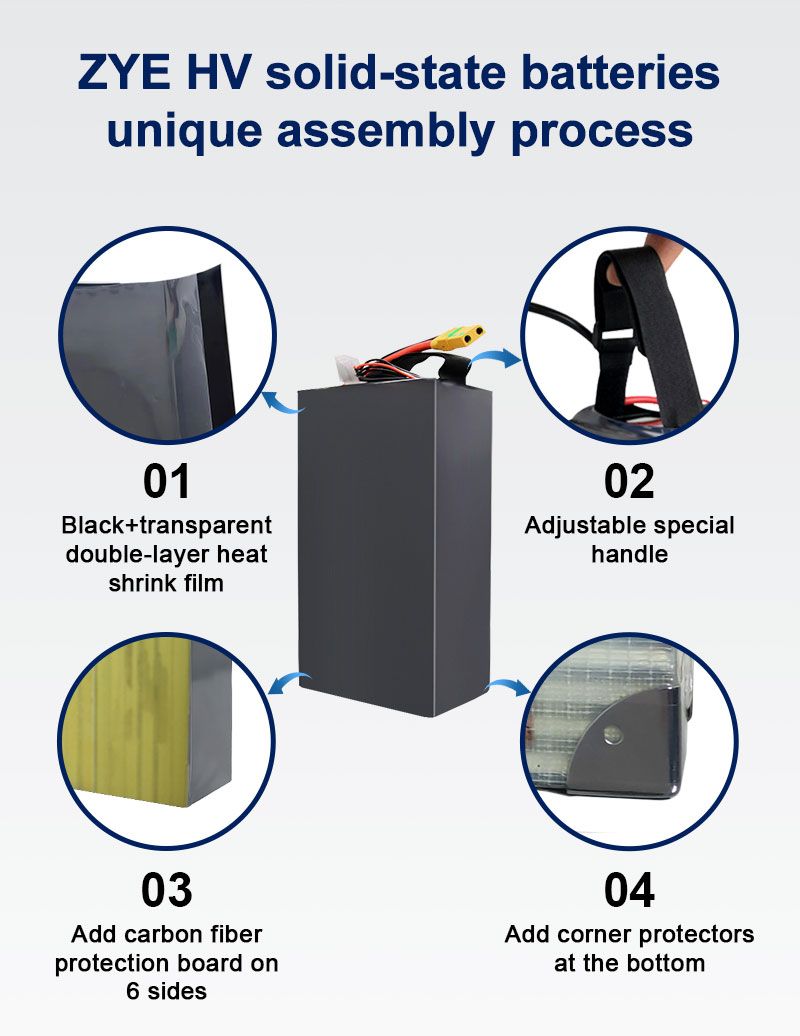
Balancing Cells: With six cells in series, it's crucial to keep all cells balanced. Use a balance charger to ensure each cell maintains an equal voltage, preventing overcharging of individual cells.
Proper Storage: Store LiPo batteries at about 50% charge in a cool, dry place. Avoid fully charging or discharging the battery for long-term storage, as this can degrade the cells.
Avoiding Over-Discharge: Never discharge a LiPo battery below 3V per cell. Most devices have built-in cutoffs, but it's important to monitor voltage, especially in high-drain applications.
Physical Care: LiPo batteries are sensitive to physical damage. Avoid puncturing, bending, or crushing the battery. If the battery swells or shows signs of damage, discontinue use immediately.
Proper Charging: Always use a charger specifically designed for LiPo batteries and set to the correct cell count (6S for a 22.2V battery). Never leave charging batteries unattended.
Understanding the manufacturing process and proper care of lipo battery units can help users maximize their performance and lifespan. These powerful energy sources continue to push the boundaries of what's possible in portable and high-performance devices.
Understanding Overcharging
Overcharging occurs when a battery continues to receive current after it has reached its full capacity. For an 11.1V LiPo battery, each cell has a maximum safe voltage of 4.2V, meaning the total battery voltage should not exceed 12.6V when fully charged.
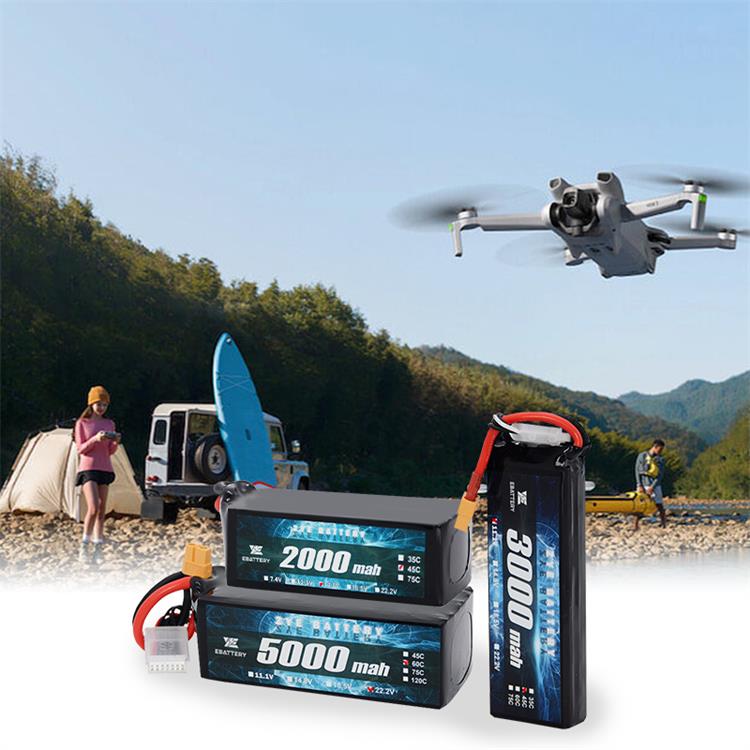
The charging speed of lightweight lipo batteries depends on several factors:
Battery Capacity: The capacity of a LiPo battery, typically measured in milliamp-hours (mAh), directly affects the time it takes to charge. Larger capacity batteries, such as a 5000mAh battery, require more energy to reach a full charge, meaning they will naturally take longer than smaller capacity batteries
C-Rating: The C-rating of a LiPo battery refers to its maximum safe continuous discharge rate, but it also gives an indication of how quickly the battery can safely accept charge. A higher C-rating typically means the battery is built to handle higher charge rates without risk of damage.
Charger Output: The output of the charger you use is a significant factor in determining charging speed. A charger with a higher amperage output can charge your LiPo battery more quickly.
Temperature: Ambient temperature is another critical factor that impacts the efficiency of charging. LiPo batteries function best when charged in a temperature range of 20°C to 25°C (68°F to 77°F).
Consider Parallel Charging: For users with multiple batteries, parallel charging can be a time-efficient solution. However, this technique requires additional knowledge and precautions, so ensure you're well-informed before attempting it.
LiPo batteries naturally lose charge over time, even if they are not in use. If a battery is allowed to discharge below its minimum safe voltage, it can suffer permanent damage, leading to a significant reduction in both its capacity and overall lifespan.
Properly storing LiPo batteries at a safe charge level is essential to preserve their performance and longevity.
In conclusion, by understanding the factors that influence charging speed and following proper charging practices, you can optimize your battery's performance without compromising its lifespan or safety.
Send Inquiry



X
We use cookies to offer you a better browsing experience, analyze site traffic and personalize content. By using this site, you agree to our use of cookies.
Privacy Policy
News
 How to build a drone lipo battery pack?2025/08/28