English
 Español
  Português
  русский
  Français
  日本語
日本語  Deutsch
  tiếng Việt
  Italiano
  Nederlands
  ภาษาไทย
  Polski
  한국어
한국어  Svenska
  magyar
  Malay
Malay  বাংলা ভাষার
  Dansk
Dansk  Suomi
Suomi  हिन्दी
  Pilipino
  Türkçe
  Gaeilge
  العربية
  Indonesia
  Norsk
Norsk  تمل
تمل  český
český  ελληνικά
  український
  Javanese
  فارسی
فارسی  தமிழ்
தமிழ்  తెలుగు
  नेपाली
  Burmese
  български
  ລາວ
ລາວ  Latine
  Қазақша
  Euskal
  Azərbaycan
  Slovenský jazyk
  Македонски
  Lietuvos
  Eesti Keel
  Română
  Slovenski
  मराठी
मराठी  Srpski језик

Call Us
+86-15768259626
Email Us
coco@zyepower.com

Solid State vs Lipo: Which Drone Batteries Offer Better Safety?
If you’re a drone pilot—whether you fly for recreation, agricultural mapping, industrial inspections or commercial aerial work—you know one unshakable truth: your drone battery is far more than a power supply. It is a safety-critical part that can make or break every flight. A defective, poorly made or misused battery can cut a flight short, destroy costly drone equipment, or even spark dangerous, hard-to-control fires.
Today, we’re breaking down the hands-on safety comparison between two top drone battery options: lithium polymer (lipo) batteries and solid state lithium batteries. We’re cutting out technical jargon and overly complex specs to share the straightforward facts you need to pick the safest power source for your drone, from ZYEBATTERY, a trusted manufacturer of high-performance drone batteries and reliable lithium power solutions.
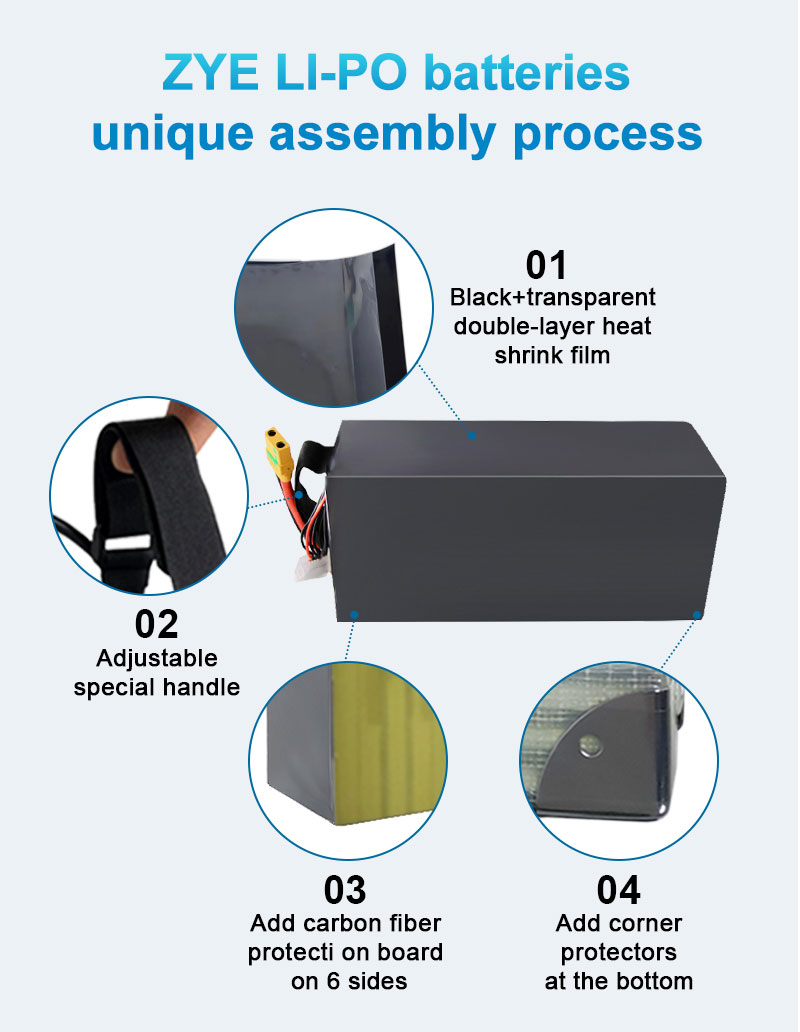
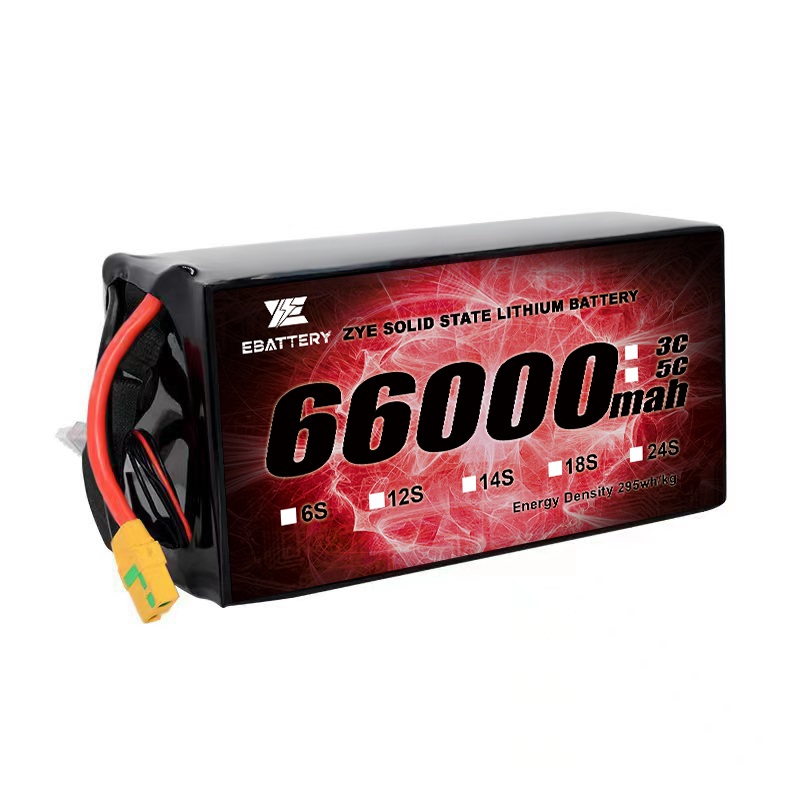
First, let’s cover the basics of the long-standing industry standard: lipo drone batteries. For years, lipo batteries have dominated the drone space for good reason—they are lightweight, budget-friendly, and deliver the fast discharge rates that drones need to lift off, hover and maneuver smoothly.
But when safety is the top priority, lipo batteries have clear, well-documented drawbacks. The biggest red flag is their flammable liquid electrolyte core. If a lipo battery is punctured, overcharged, over-discharged or exposed to extreme heat, this liquid can leak, swell or ignite. Most pilots have heard cautionary tales: swollen lipo packs mid-flight, charging mishaps leading to small fires, or damaged packs posing fire risks. These aren’t just freak accidents—they are inherent risks of the liquid electrolyte design, even for pilots who follow basic charging and storage rules.
Solid state drone batteries, the newer advanced alternative, rewrite the rulebook for drone battery safety. Unlike lipo batteries, these packs swap out flammable liquid electrolyte for a stable, solid electrolyte (typically ceramic or non-flammable polymer composites). This single change wipes out the risk of electrolyte leakage and drastically cuts the chance of thermal runaway—the dangerous chain reaction that causes batteries to overheat, ignite or explode.
Even if a solid state drone battery is dropped, crushed or exposed to harsh temperatures, it stays stable and poses minimal fire risk. For pilots working in rugged, unregulated spaces like construction zones, remote farm fields or rough outdoor terrain, this built-in safety is invaluable.
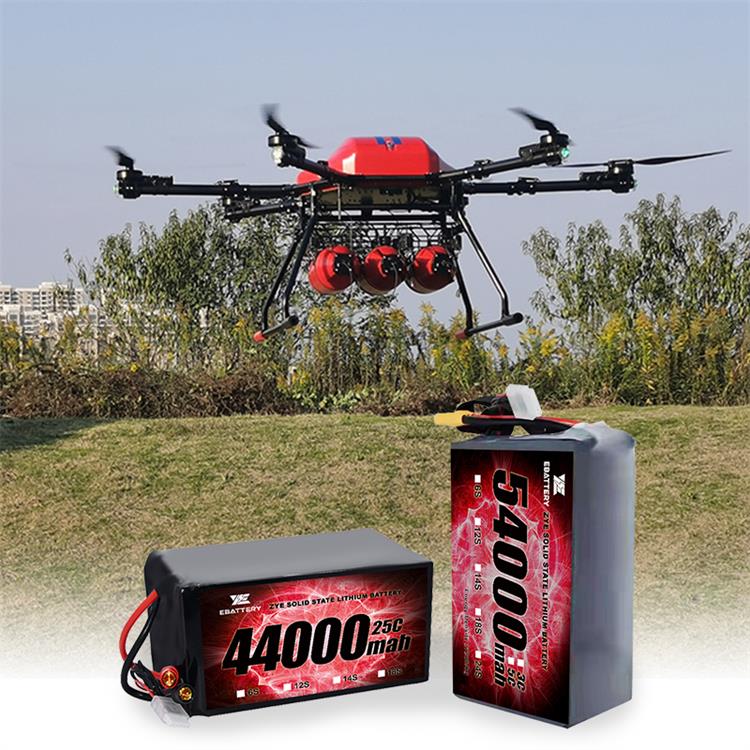
To be fair, lipo drone batteries aren’t obsolete. They remain a cost-effective pick for casual hobbyists who prioritize upfront cost over maximum safety. But lipo batteries demand strict, consistent care: only use manufacturer-approved chargers, never leave charging unattended, store packs in cool, dry, fire-resistant cases, and retire any pack that shows swelling, damage or odd performance. With proper handling, lipo batteries can be used safely, but they can never match the passive safety of solid state lithium batteries.
When it comes down to pure safety, solid state drone batteries are the clear winner. They eliminate the top fire and leakage risks that come with lipo batteries, no extra vigilance required. At ZYEBATTERY, we specialize in premium, flight-ready drone batteries, offering both durable lipo drone batteries and cutting-edge solid state lithium battery solutions to fit every pilot’s budget and operational needs. Whether you’re a hobbyist seeking a dependable standard pack or a commercial operator needing heavy-duty, safety-first power, we engineer custom solutions for every drone application.
At the end of the day, the safest drone battery combines premium manufacturing, proper usage and inherent safe design. Lipo batteries require constant caution to avoid hazards, while solid state batteries bring built-in stability that lets pilots focus on their flight instead of battery risks. Every ZYEBATTERY product meets strict global safety standards, including UN38.3 certification, so you can fly with confidence. Fly safely, fly efficiently, and trust your drone’s power to a battery built for performance and peace of mind.
Send Inquiry



X
We use cookies to offer you a better browsing experience, analyze site traffic and personalize content. By using this site, you agree to our use of cookies.
Privacy Policy
News
 How to build a drone lipo battery pack?2025/08/28