English
 Español
  Português
  русский
  Français
  日本語
日本語  Deutsch
  tiếng Việt
  Italiano
  Nederlands
  ภาษาไทย
  Polski
  한국어
한국어  Svenska
  magyar
  Malay
Malay  বাংলা ভাষার
  Dansk
Dansk  Suomi
Suomi  हिन्दी
  Pilipino
  Türkçe
  Gaeilge
  العربية
  Indonesia
  Norsk
Norsk  تمل
تمل  český
český  ελληνικά
  український
  Javanese
  فارسی
فارسی  தமிழ்
தமிழ்  తెలుగు
  नेपाली
  Burmese
  български
  ລາວ
ລາວ  Latine
  Қазақша
  Euskal
  Azərbaycan
  Slovenský jazyk
  Македонски
  Lietuvos
  Eesti Keel
  Română
  Slovenski
  मराठी
मराठी  Srpski језик

Call Us
+86-15768259626
Email Us
coco@zyepower.com

Is tin used in solid state batteries?
Is Tin Used in Solid State Batteries? What the Research Shows vs. What's in Your UAV Battery
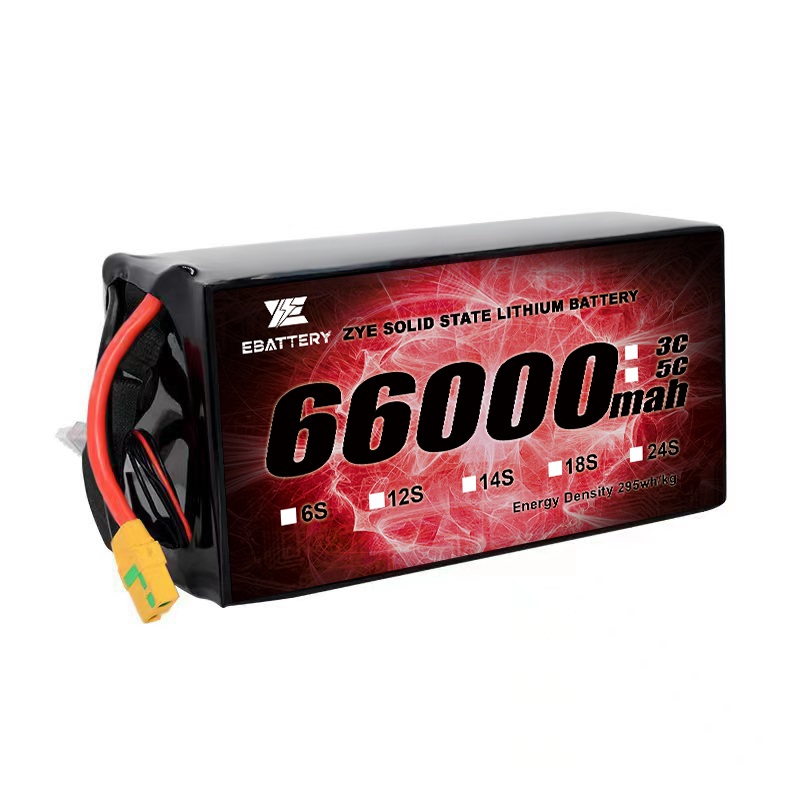
Tin shows up in solid state battery research papers with some regularity. Whether it shows up in the solid state battery powering a commercial drone is a different question — and the gap between those 2 answers tells you something useful about how battery technology actually moves from laboratory to deployment.
Where Tin Appears in Battery Research
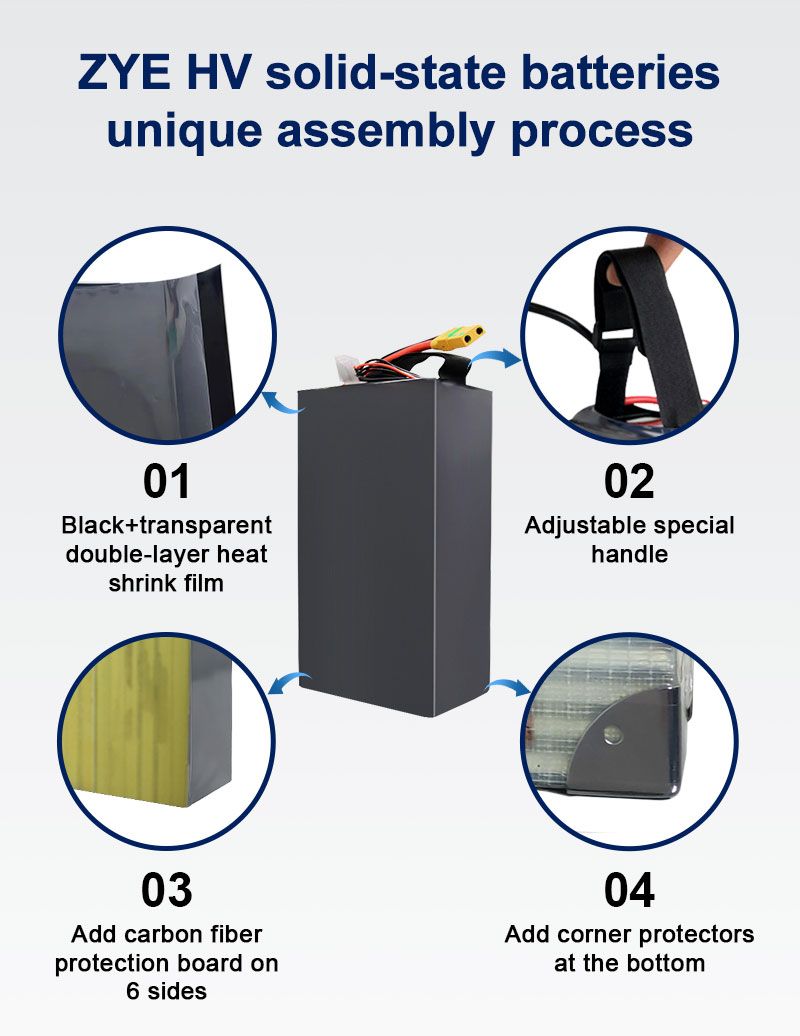
Tin's relevance to solid state batteries is primarily at the anode. As an anode material, tin has 1 characteristic that makes it theoretically attractive: high theoretical capacity. Tin can store approximately 960 mAh per gram of lithium — compared to roughly 372 mAh per gram for graphite, the anode material used in most conventional lithium batteries.
That theoretical capacity advantage is significant on paper. More lithium stored per gram of anode material means higher energy density — which is 1 of the primary goals of solid state battery development.
Tin also appears in solid electrolyte chemistry. LIPON (lithium phosphorus oxynitride) and certain sulfide-based electrolyte systems use tin-containing compounds as part of their ionic conductivity architecture. In these applications, tin isn't the primary energy storage material — it's part of the electrolyte matrix that enables lithium ion transport through the solid.
Why Tin Hasn't Become a Commercial Standard
The gap between tin's theoretical appeal and its commercial presence in UAV batteries comes down to a practical problem that shows up reliably in testing: volumetric expansion.
Tin expands dramatically — up to 300% — as it absorbs lithium ions during charging. That expansion and contraction with every charge cycle creates mechanical stress that fractures the anode material over time. In a liquid-electrolyte battery, the electrolyte can accommodate some of this movement. In a solid state cell, where the electrolyte is rigid, that volumetric change creates gaps at the electrode-electrolyte interface — reducing ion transfer efficiency and accelerating degradation.
Researchers have explored several approaches to managing tin's expansion problem: tin composites that blend tin with more dimensionally stable materials, tin oxide formulations that reduce volumetric change at some cost to capacity, and nanostructured tin anodes designed to accommodate expansion without fracturing. Progress has been real but incremental, and no tin-based anode design has reached commercial-scale production for UAV applications as of 2026.
The more commercially viable path to high-capacity solid state anodes has followed lithium metal rather than tin — with lithium metal delivering higher energy density without the volumetric expansion problem that tin presents, provided the solid electrolyte is dense enough to prevent dendrite penetration.
What This Means for UAV Operators Evaluating Solid State Batteries
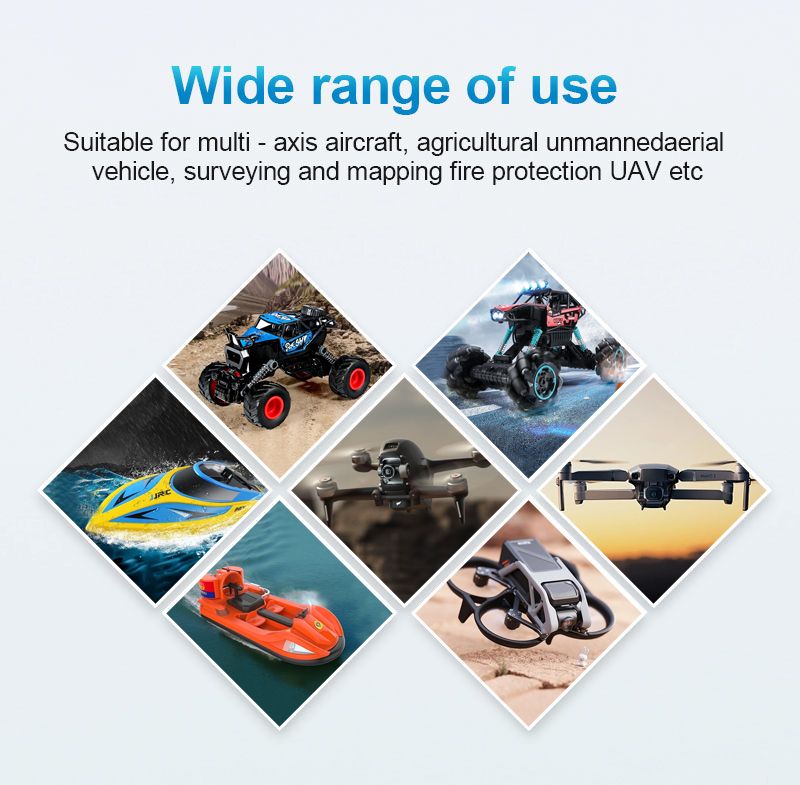
If you're looking at a solid state UAV battery in 2026 and wondering whether tin is involved, the honest answer for most commercial products is: probably not at the anode, and possibly in trace amounts in certain solid electrolyte formulations.
The practical performance characteristics UAV operators care about — energy density, cycle life, safety, charging behavior — aren't being meaningfully driven by tin content in current-generation commercial solid state batteries. Those characteristics are primarily determined by the electrolyte chemistry (oxide, sulfide, or polymer), the anode design (lithium metal or graphite), and the cathode material (NMC, NCA, or LFP).
Tin's role in battery development is real and ongoing. Its role in the solid state UAV battery on your shelf today is limited.
Why the Research-to-Deployment Gap Matters
For UAV operators making purchasing decisions, understanding which materials are in research phases versus commercial deployment phases helps separate genuine performance claims from forward-looking speculation dressed up as current capability.
Tin-anode solid state batteries may well become commercially significant in the next 5 to 10 years as volumetric expansion challenges are solved at scale. In 2026, evaluating solid state UAV batteries means focusing on electrolyte type, anode architecture, and documented cycle life — not tin content.
ZYEBATTERY's Material Transparency
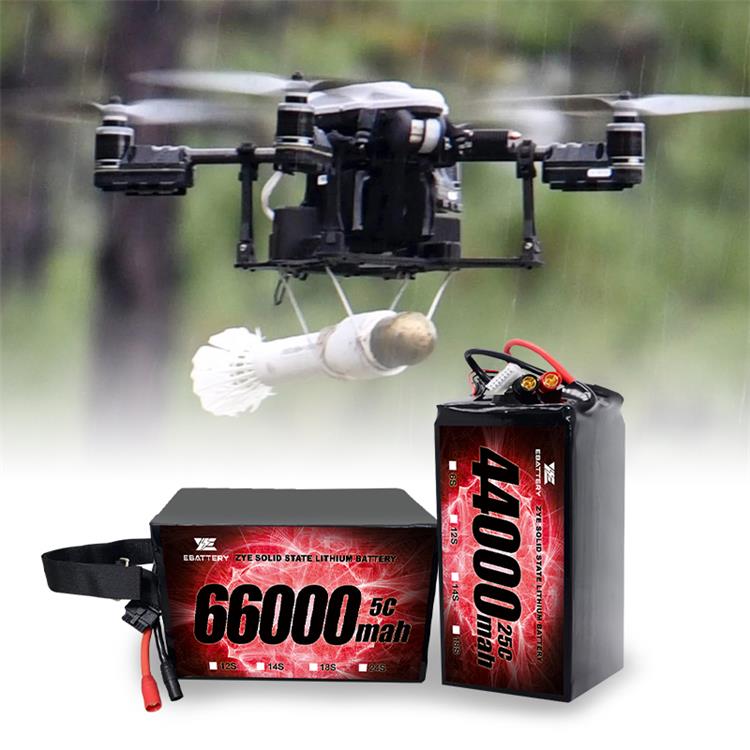
ZYEBATTERY provides electrolyte chemistry and anode architecture documentation for solid state lithium ion and high-performance lithium polymer UAV batteries. For procurement teams navigating a battery market where research-stage claims and commercial-stage capabilities sometimes blur together, knowing exactly what's in the battery matters.
Send Inquiry



X
We use cookies to offer you a better browsing experience, analyze site traffic and personalize content. By using this site, you agree to our use of cookies.
Privacy Policy
News
 How to build a drone lipo battery pack?2025/08/28