English
 Español
  Português
  русский
  Français
  日本語
日本語  Deutsch
  tiếng Việt
  Italiano
  Nederlands
  ภาษาไทย
  Polski
  한국어
한국어  Svenska
  magyar
  Malay
Malay  বাংলা ভাষার
  Dansk
Dansk  Suomi
Suomi  हिन्दी
  Pilipino
  Türkçe
  Gaeilge
  العربية
  Indonesia
  Norsk
Norsk  تمل
تمل  český
český  ελληνικά
  український
  Javanese
  فارسی
فارسی  தமிழ்
தமிழ்  తెలుగు
  नेपाली
  Burmese
  български
  ລາວ
ລາວ  Latine
  Қазақша
  Euskal
  Azərbaycan
  Slovenský jazyk
  Македонски
  Lietuvos
  Eesti Keel
  Română
  Slovenski
  मराठी
मराठी  Srpski језик

Call Us
+86-15768259626
Email Us
coco@zyepower.com

How to invest in solid state batteries?
How to Invest in Solid State Batteries: A Practical Guide for UAV Operators
People searching "how to invest in solid state batteries" are usually looking for 1 of 2 things: stock picks in the battery technology sector, or practical guidance on whether switching to solid state batteries makes financial sense for their operation.
This article is for the second group. Stock market decisions are outside what a UAV battery manufacturer should be advising on. But the question of whether solid state batteries are a sound operational investment — and how to evaluate that investment correctly — is exactly the kind of question ZYEBATTERY is positioned to answer.
Reframing the Investment Question
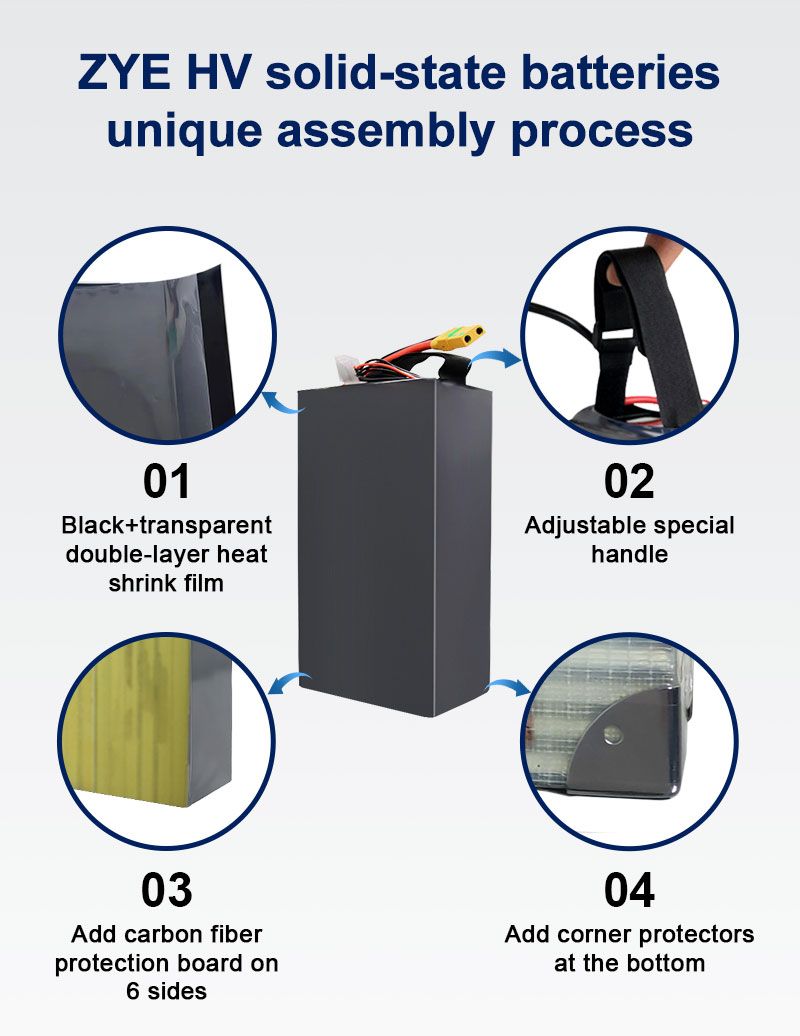
When a commercial UAV operator considers switching from lithium polymer batteries to solid state, they're making a capital allocation decision. Higher upfront cost, different performance characteristics, and a longer expected service life — all of which need to be evaluated against the specific economics of their operation.
The investment framework isn't complicated. It has 3 variables: what you pay upfront, what you save or earn over the battery's service life, and how confident you can be in those projections. Getting all 3 right is how you make the decision correctly rather than reactively.
Variable 1: The Upfront Cost Premium
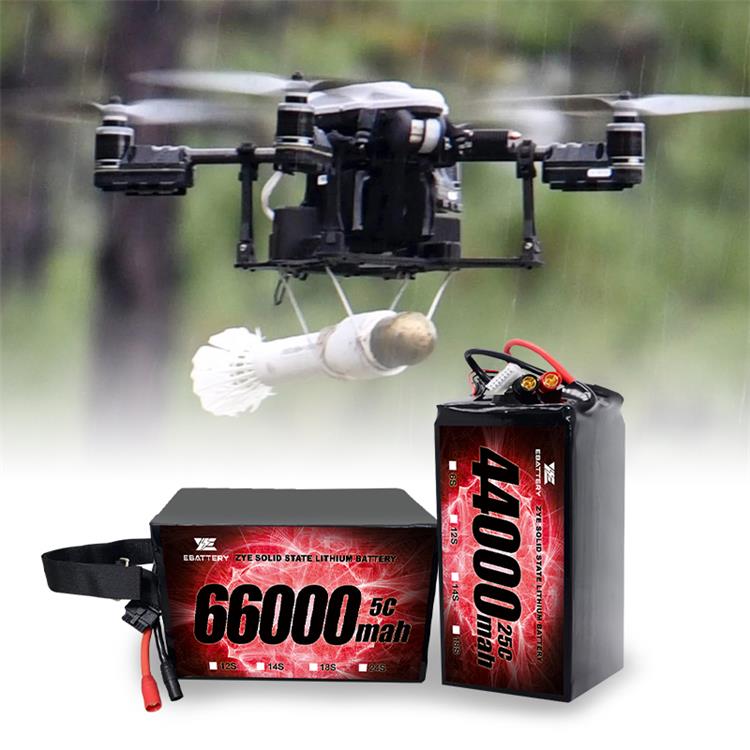
Solid state UAV batteries cost more than equivalent lithium polymer packs at current market prices. The premium varies by manufacturer and specification, but 30 to 60% above comparable LiPo options is a reasonable working range for quality solid state packs in 2026.
That upfront premium is the starting point for the investment calculation — not the conclusion. A higher purchase price is only a bad investment if the lifetime value doesn't justify it. For solid state batteries, the lifetime value case rests primarily on cycle life.
Variable 2: The Lifetime Value Calculation
Solid state UAV batteries in commercial applications are demonstrating 700 to 900 cycles at 80% capacity retention. Quality LiPo alternatives in equivalent applications typically deliver 300 to 500 cycles under similar operating conditions.
Run the math for a concrete example. A solid state pack costing $400 that delivers 800 usable cycles costs $0.50 per cycle. A LiPo pack costing $250 that delivers 400 usable cycles costs $0.625 per cycle. The solid state option costs more to buy and less to operate — by about 20% per flight on this comparison.
For a fleet of 15 aircraft running 200 cycles annually each, that 20% per-cycle cost difference amounts to meaningful annual savings across the fleet's battery budget. The break-even point — where the solid state premium pays for itself — falls typically within 12 to 18 months at moderate to high utilization rates.
Beyond the cycle life math, solid state batteries reduce 2 other cost categories that rarely appear in per-unit price comparisons: field incident costs from reduced thermal runaway risk, and operational disruption costs from more predictable degradation behavior.
Variable 3: Confidence in the Projections
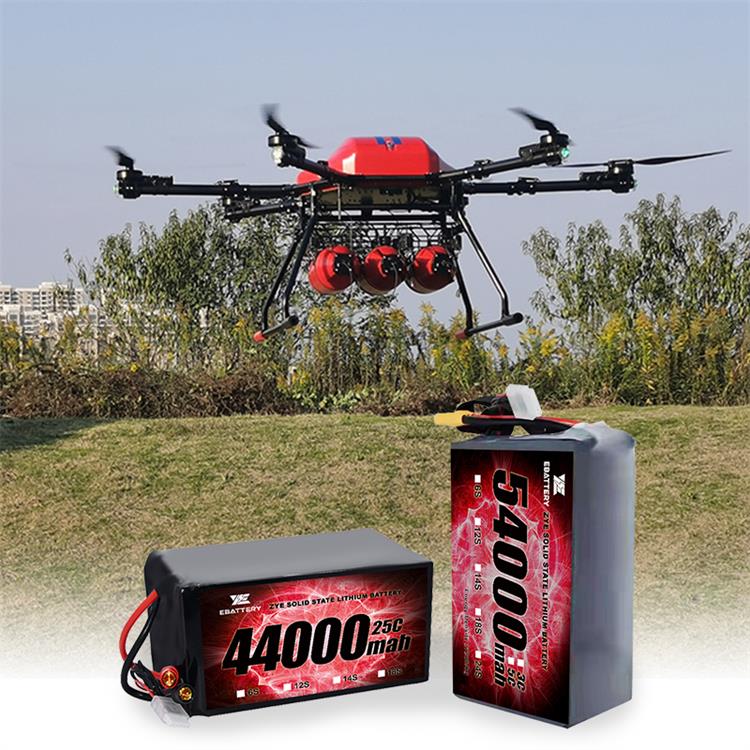
The investment case for solid state batteries is only as strong as the cycle life data behind it. Manufacturer claims that aren't backed by real-world operating condition testing rather than laboratory ideals leave the financial projection on shaky ground.
Before committing to a solid state battery investment, ask for cycle life data generated under conditions similar to your operation — your discharge rate, your temperature environment, your charge frequency. A manufacturer confident in their product's durability will have this data. 1 who points you back to a generic spec sheet is asking you to trust a number they haven't actually validated in conditions like yours.
Making the Investment Decision
The investment case for solid state UAV batteries is strongest when:
Your fleet runs high cycle frequency — the per-cycle cost advantage compounds quickly. Your operation is safety-sensitive — reduced thermal runaway risk has real liability and insurance value. You're planning 2 or more years ahead — the break-even math only works if you're holding the batteries long enough to capture the cycle life advantage.
It's weaker when upfront capital is severely constrained, your utilization is very low, or your operation is genuinely short-term.
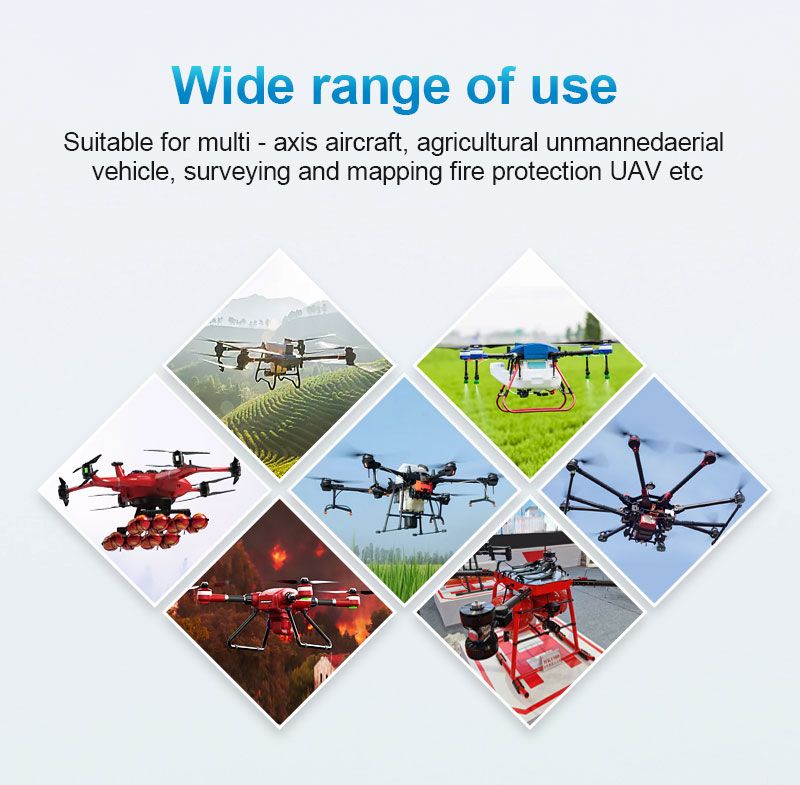
ZYEBATTERY as Your Solid State Investment Partner
ZYEBATTERY provides solid state lithium ion and high-performance lithium polymer UAV batteries with documented cycle life data, real operating condition testing, and transparent pricing that supports the investment calculation rather than obscuring it.
Investing in solid state batteries is a business decision. Make it with real numbers.
Send Inquiry



X
We use cookies to offer you a better browsing experience, analyze site traffic and personalize content. By using this site, you agree to our use of cookies.
Privacy Policy
News
 How to build a drone lipo battery pack?2025/08/28