English
 Español
  Português
  русский
  Français
  日本語
日本語  Deutsch
  tiếng Việt
  Italiano
  Nederlands
  ภาษาไทย
  Polski
  한국어
한국어  Svenska
  magyar
  Malay
Malay  বাংলা ভাষার
  Dansk
Dansk  Suomi
Suomi  हिन्दी
  Pilipino
  Türkçe
  Gaeilge
  العربية
  Indonesia
  Norsk
Norsk  تمل
تمل  český
český  ελληνικά
  український
  Javanese
  فارسی
فارسی  தமிழ்
தமிழ்  తెలుగు
  नेपाली
  Burmese
  български
  ລາວ
ລາວ  Latine
  Қазақша
  Euskal
  Azərbaycan
  Slovenský jazyk
  Македонски
  Lietuvos
  Eesti Keel
  Română
  Slovenski
  मराठी
मराठी  Srpski језик

Call Us
+86-15768259626
Email Us
coco@zyepower.com

How to Extend Li Polymer Battery Life by 50%?
To extend Li polymer battery life by 50%, the most effective approach is to keep the battery cool, avoid full charge stress, and stay away from deep discharge. In real use, that usually means better charging habits, smarter storage, and choosing the right pack for the job.
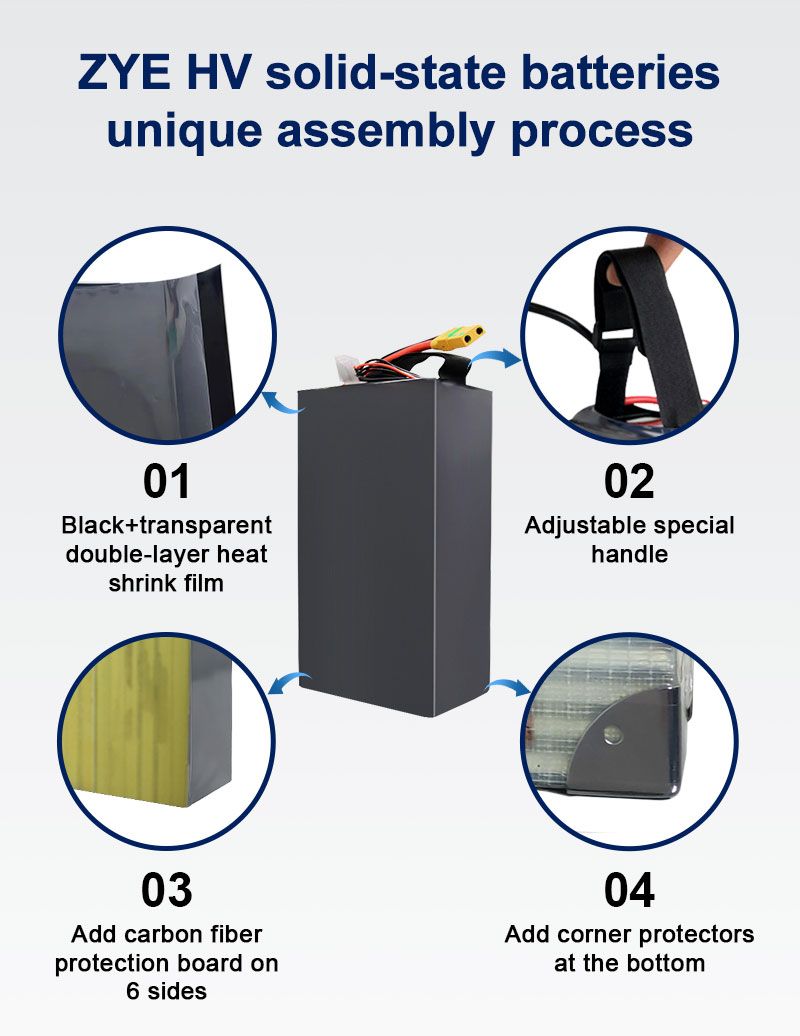
1. Stop charging to 100% every time
One of the fastest ways to shorten LiPo life is leaving it at full charge for long periods. Lithium batteries age faster when they spend too much time near maximum voltage, so partial charging is healthier for long-term use.
For drone packs, that often means charging only as much as you need for the flight, then storing the battery at a safer level afterward.
2. Avoid deep discharge
Running a Li polymer battery too low puts extra stress on the cells. Battery-care guidance consistently recommends avoiding complete discharge and recharging before the pack is fully empty.
For drone operators, that means landing before the battery is drained hard, instead of squeezing out every last second of flight. Over time, that small habit helps protect cycle life and keeps voltage more stable in the air.
3. Keep heat under control
Heat is one of the biggest reasons LiPo performance drops early. High temperatures during flight, fast charging, and hot storage all speed up battery wear.
If you want longer life, let the pack cool before charging and never leave it in a hot car, direct sun, or other extreme environment. This is one of the easiest ways to improve battery lifespan without changing hardware.
4. Store at partial charge
A Li polymer battery lasts longer when it is stored at a partial charge instead of fully topped off. Several battery longevity sources recommend keeping lithium batteries around 40% to 60% state of charge for storage.
This matters a lot for UAV fleets and FPV pilots because batteries often sit unused between flights. Good storage habits can quietly add a lot of life to each pack.
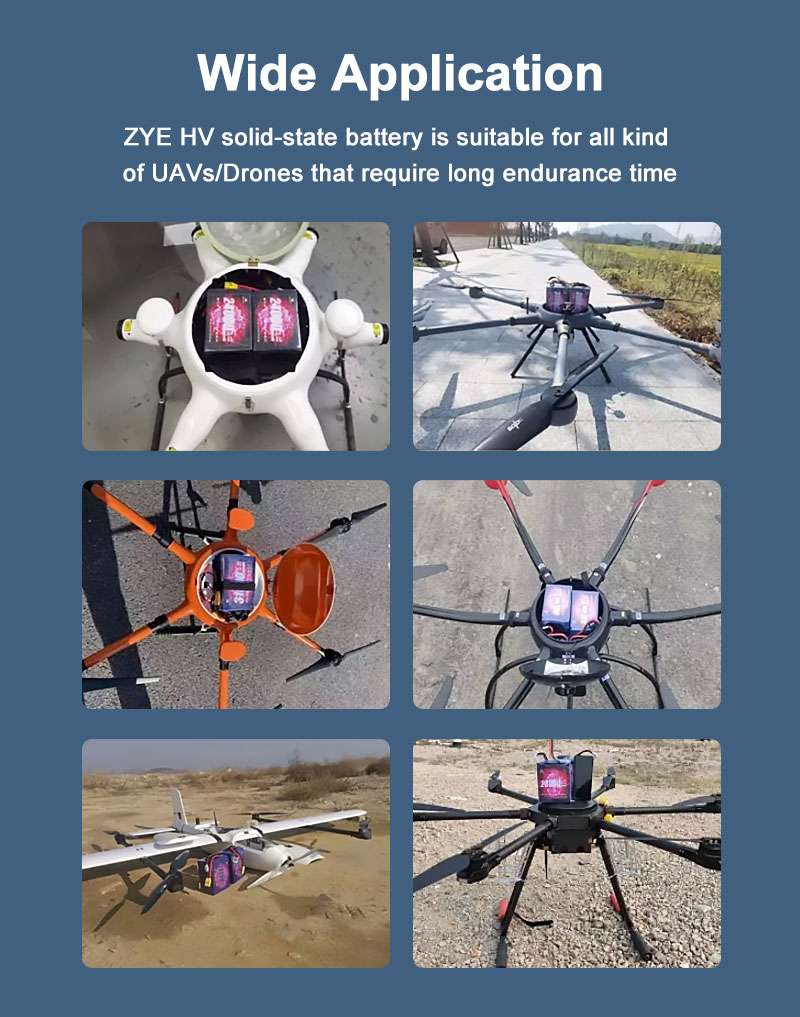
5. Use the right charging rate
Fast charging is convenient, but it usually increases battery stress. Slower charging is gentler and helps preserve long-term LiPo health.
If your goal is maximum battery life, using a moderate charge rate is usually the smarter choice. It may take a little longer, but the pack is more likely to stay healthy over many cycles.
6. Match the battery to the drone
A battery that is too small for the drone will work harder, heat up more, and wear out faster. A properly sized pack runs cooler and delivers power more efficiently.
That is why battery choice matters just as much as battery care. For UAVs, the right voltage, capacity, and discharge rating can make a big difference in how long the pack lasts in real flight.
7. Keep the cells balanced
Balanced cells help a LiPo age more evenly. If one cell drifts too far from the others, the pack becomes less efficient and can lose performance sooner.
Regular balance charging helps keep the pack healthy and reduces the chance of one weak cell dragging down the entire battery. That is especially important for multi-cell drone batteries used in demanding flights.
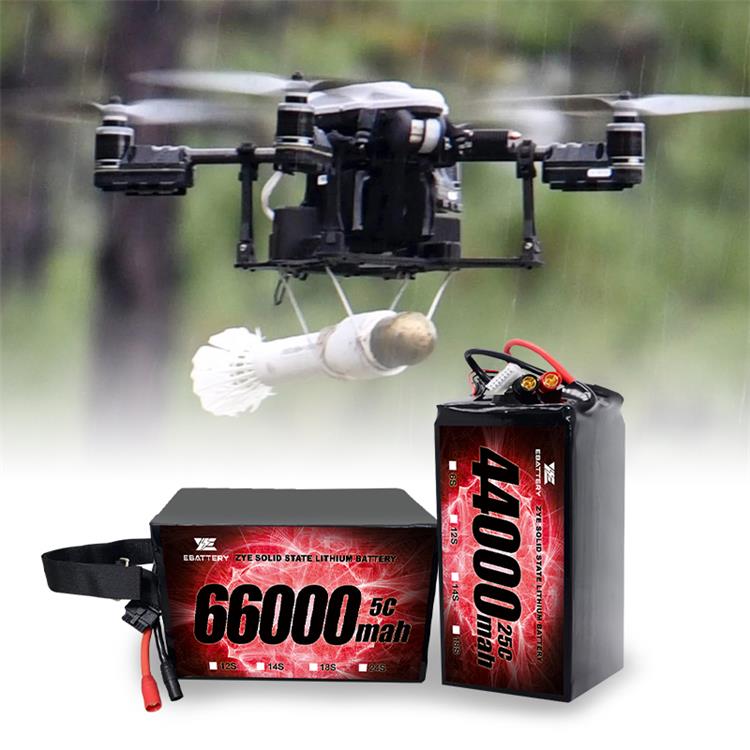
What this means for drone users
If you combine these habits—partial charging, shallow discharge, lower heat, proper storage, moderate charging, correct sizing, and cell balancing—you can dramatically improve Li polymer battery life.
For many drone operators, that is how you get closer to the “50% longer” goal in real-world use: not from one trick, but from several good habits working together.
For ZYEBATTERY, the key message is simple: a high-quality Li polymer battery lasts longer when it is paired with smart use. The battery itself matters, but the way it is charged, stored, and flown matters just as much.
Send Inquiry



X
We use cookies to offer you a better browsing experience, analyze site traffic and personalize content. By using this site, you agree to our use of cookies.
Privacy Policy
News
 How to build a drone lipo battery pack?2025/08/28