English
 Español
  Português
  русский
  Français
  日本語
日本語  Deutsch
  tiếng Việt
  Italiano
  Nederlands
  ภาษาไทย
  Polski
  한국어
한국어  Svenska
  magyar
  Malay
Malay  বাংলা ভাষার
  Dansk
Dansk  Suomi
Suomi  हिन्दी
  Pilipino
  Türkçe
  Gaeilge
  العربية
  Indonesia
  Norsk
Norsk  تمل
تمل  český
český  ελληνικά
  український
  Javanese
  فارسی
فارسی  தமிழ்
தமிழ்  తెలుగు
  नेपाली
  Burmese
  български
  ລາວ
ລາວ  Latine
  Қазақша
  Euskal
  Azərbaycan
  Slovenský jazyk
  Македонски
  Lietuvos
  Eesti Keel
  Română
  Slovenski
  मराठी
मराठी  Srpski језик

Call Us
+86-15768259626
Email Us
coco@zyepower.com

3S LiPo Battery vs 6S: Which Drone Battery Wins?
Neither battery wins in every case. For the right drone, 3S is the better choice; for higher-performance builds, 6S usually comes out on top.
The real difference
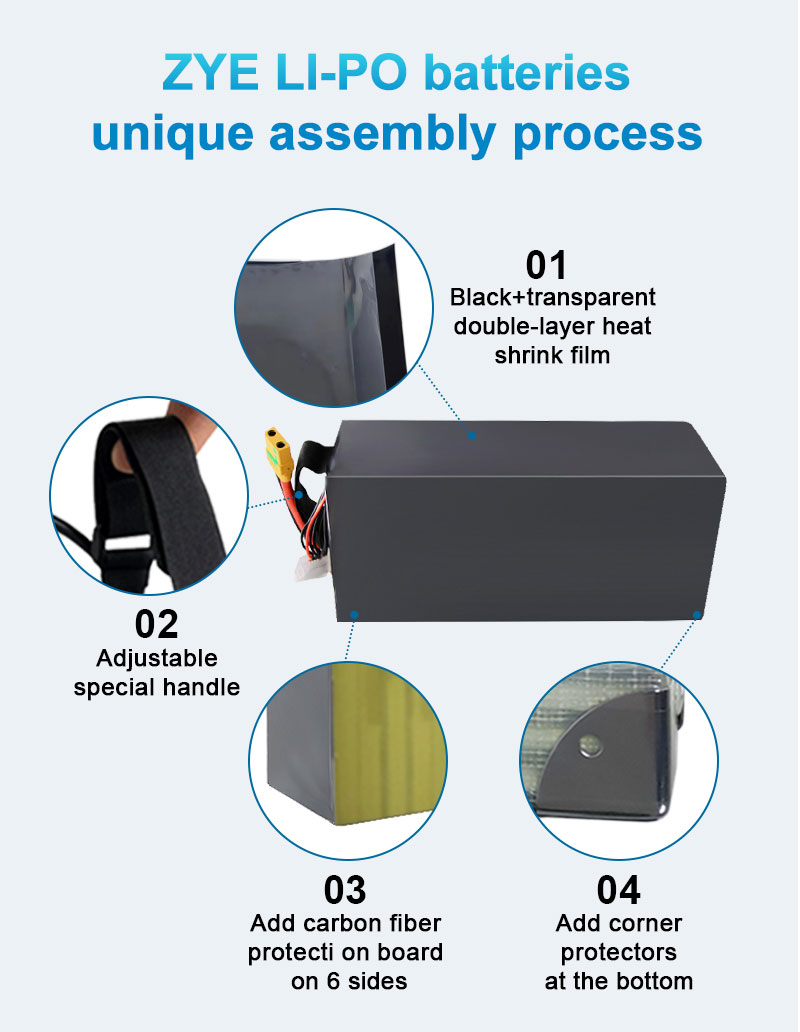
A 3S LiPo battery has 3 cells in series and a nominal voltage of 11.1V. A 6S LiPo battery has 6 cells in series and a nominal voltage of 22.2V.
That voltage gap changes everything: throttle feel, current draw, heat, speed, and even how your drone handles under load.
If the battery voltage does not match the frame and motors, the drone will feel weak, hot, or unstable.
Where 3S wins
3S is the easier, softer, and cheaper option. It works well for smaller drones, trainer builds, light camera rigs, and pilots who want a forgiving power setup.
Because the voltage is lower, the drone feels smoother and less aggressive, which is helpful for new pilots and small frames.
3S also tends to be lighter and more affordable, which makes it attractive for beginners or anyone flying a compact UAV on a budget.
Where 6S wins
6S is the stronger choice for modern FPV racing, freestyle, long-range builds, and industrial UAVs that need more punch.
Higher voltage means the motors can produce more performance with less current, which usually means less heat and better efficiency.
That is why many 5-inch FPV pilots and professional drone builders now prefer 6S setups when they want consistent power and a flatter response across the flight.
Flight feel and efficiency
A 3S drone usually feels gentle and predictable. That makes it easier to learn on, but it can feel limited once you want faster acceleration or stronger climb power.
A 6S drone feels sharper and more responsive, especially when the pilot wants quick punch-outs or needs to hold speed under load.
For the same power output, 6S often runs cooler because it can deliver that power at lower current.
That is one reason 6S is often the better long-term choice for performance-focused UAVs.
Which one lasts longer
If you mean flight time, it depends on the drone size and mission. A smaller 3S setup may fly longer than an overpowered 6S build because it is lighter and less demanding.
If you mean battery life over many cycles, both can last well if used properly, but 6S packs are often chosen for builds that demand more consistency and less sag under load.
So the “winner” is not simply the one with more cells. It is the one that fits the aircraft and the mission.
Simple rule of thumb
Use this shortcut:
Choose 3S if your drone is small, your flying style is casual, or you want a beginner-friendly setup.
Choose 6S if your drone is a 5-inch FPV build, a race quad, a heavy-lift platform, or a professional UAV that needs more efficiency and power.
Also remember: your motors and ESC must match the battery voltage. A 3S-rated setup should not be forced onto 6S.
What this means for ZYEBATTERY
For ZYEBATTERY, the message is simple: there is no universal winner, only the right battery for the job.
3S LiPo batteries are ideal for lighter, easier, lower-cost drones, while 6S LiPo batteries are the better choice when speed, efficiency, and power matter most.
That makes both products valuable in the right market. The best brand message is not “6S is always better” or “3S is enough for everyone.” It is: ZYEBATTERY helps UAV buyers choose the voltage that matches real flight needs.
Send Inquiry



X
We use cookies to offer you a better browsing experience, analyze site traffic and personalize content. By using this site, you agree to our use of cookies.
Privacy Policy
News
 How to build a drone lipo battery pack?2025/08/28