English
 Español
  Português
  русский
  Français
  日本語
日本語  Deutsch
  tiếng Việt
  Italiano
  Nederlands
  ภาษาไทย
  Polski
  한국어
한국어  Svenska
  magyar
  Malay
Malay  বাংলা ভাষার
  Dansk
Dansk  Suomi
Suomi  हिन्दी
  Pilipino
  Türkçe
  Gaeilge
  العربية
  Indonesia
  Norsk
Norsk  تمل
تمل  český
český  ελληνικά
  український
  Javanese
  فارسی
فارسی  தமிழ்
தமிழ்  తెలుగు
  नेपाली
  Burmese
  български
  ລາວ
ລາວ  Latine
  Қазақша
  Euskal
  Azərbaycan
  Slovenský jazyk
  Македонски
  Lietuvos
  Eesti Keel
  Română
  Slovenski
  मराठी
मराठी  Srpski језик

Call Us
+86-15768259626
Email Us
coco@zyepower.com

How Solid State Battery Pack Improves UAV Range?
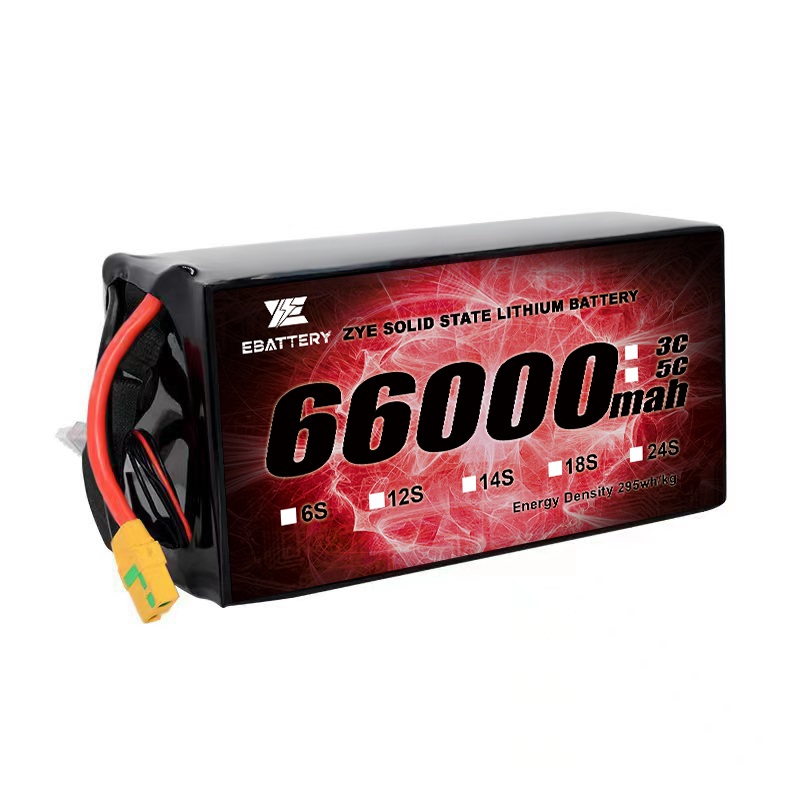
A solid state battery pack improves UAV range by putting more usable energy into the same weight, wasting less power as heat, and holding voltage more steadily during flight. For drones that need longer missions, that usually means more distance, more loiter time, and fewer battery swaps.
More energy in less weight
The biggest reason solid state packs improve range is energy density. Recent UAV coverage notes that semi-solid and solid-state packs can reach roughly 350–400 Wh/kg in advanced designs, which is far above many traditional UAV battery systems.
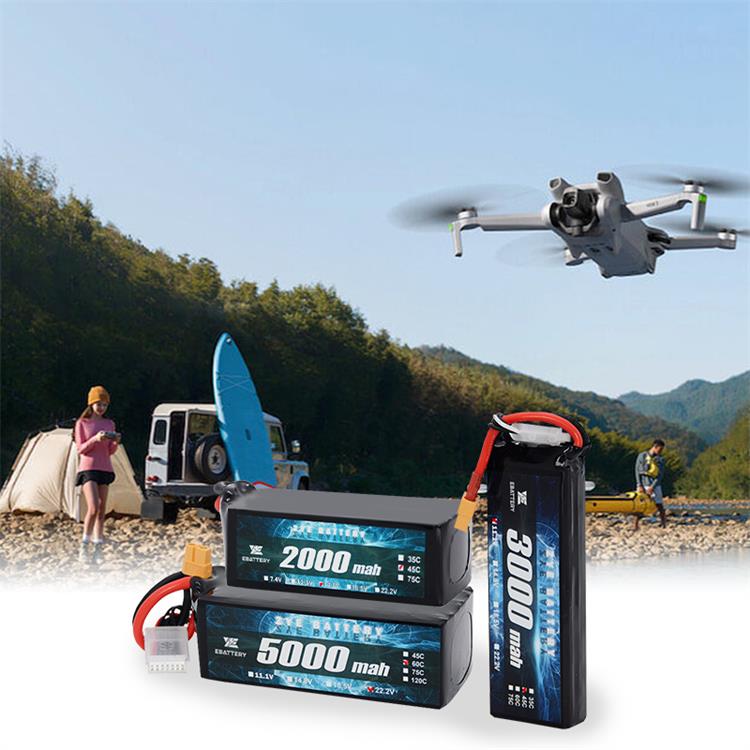
When a battery carries more energy without adding much weight, the drone spends less of its power just staying airborne. That leaves more energy for forward flight, payload work, and mission time.
Less voltage sag under load
Range is not only about capacity on paper. It also depends on how well the battery holds voltage when the drone climbs, accelerates, or carries a sensor package. Solid state battery packs tend to maintain more stable output under load, which helps motors stay efficient.
That stability matters because voltage sag can cut usable flight time early, even when the pack still has energy left. A pack that stays steady gives the UAV more real-world range, not just better lab numbers.
Lower heat loss
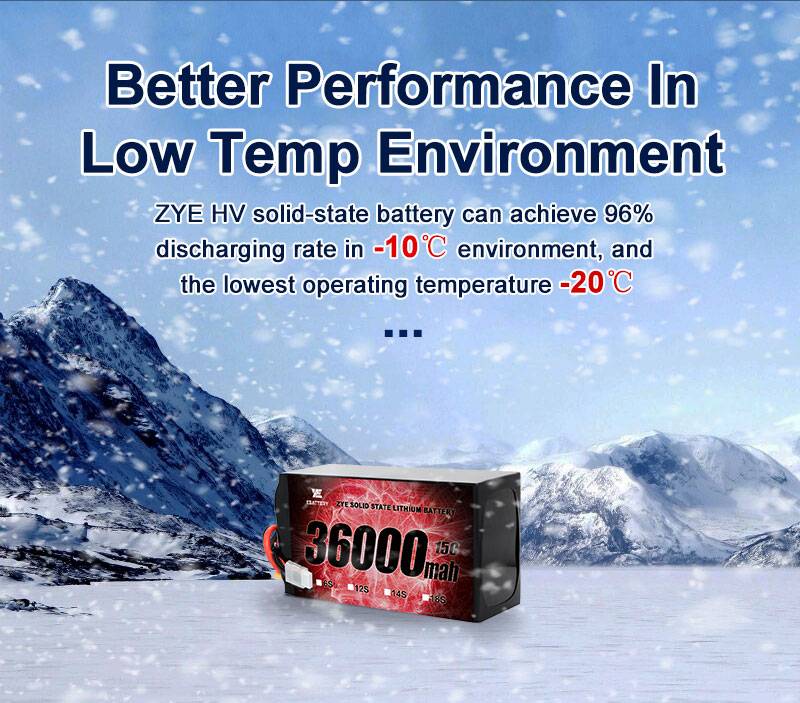
Traditional lithium packs lose part of their energy as heat, especially when the UAV is working hard. Solid state chemistry is designed to reduce those losses and improve thermal stability.
When less energy turns into heat, more of the battery’s stored power goes into flight. That is one of the quiet reasons solid state packs can extend mission range in practical use.
Better payload efficiency
A UAV’s range drops quickly when the battery gets heavier. Solid state packs can improve the power-to-weight balance, which means the drone may carry the same payload farther, or carry more payload without losing as much distance.
For industrial drones, that is a big deal. It can mean longer inspection routes, wider survey coverage, and fewer stops for battery changes.
More useful mission time
Range is not just about how far the aircraft can fly in a straight line. It is also about how much useful work the drone can finish before it has to land. Solid state battery packs help here by supporting longer endurance, better safety margins, and more consistent performance over the mission.
That is why the technology is drawing attention in defense, commercial UAV, and industrial drone applications where mission completion matters more than a low upfront battery price.
Why this matters for ZYEBATTERY
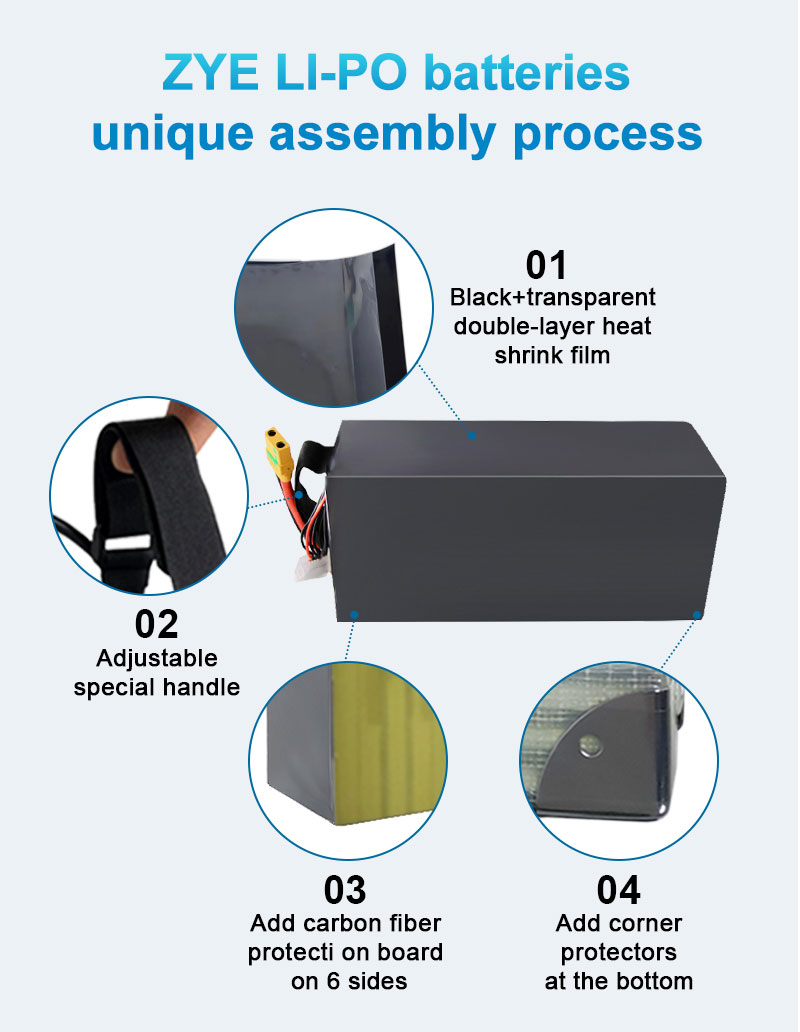
For ZYEBATTERY, the message is simple: a solid state battery pack improves UAV range because it combines higher energy density, lower weight, steadier voltage, and better thermal behavior in one system.
That makes it a strong fit for OEMs and commercial operators who care about endurance, payload, and reliability. In many cases, the battery is no longer just a component. It becomes the reason the UAV can finish the mission.
Send Inquiry



X
We use cookies to offer you a better browsing experience, analyze site traffic and personalize content. By using this site, you agree to our use of cookies.
Privacy Policy
News
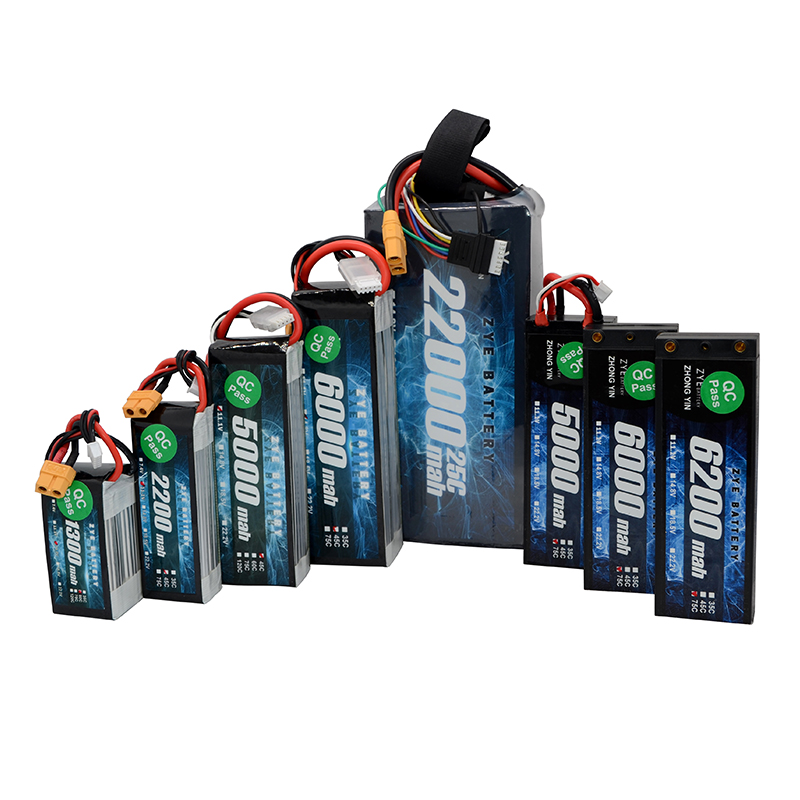 How to build a drone lipo battery pack?2025/08/28