English
 Español
  Português
  русский
  Français
  日本語
日本語  Deutsch
  tiếng Việt
  Italiano
  Nederlands
  ภาษาไทย
  Polski
  한국어
한국어  Svenska
  magyar
  Malay
Malay  বাংলা ভাষার
  Dansk
Dansk  Suomi
Suomi  हिन्दी
  Pilipino
  Türkçe
  Gaeilge
  العربية
  Indonesia
  Norsk
Norsk  تمل
تمل  český
český  ελληνικά
  український
  Javanese
  فارسی
فارسی  தமிழ்
தமிழ்  తెలుగు
  नेपाली
  Burmese
  български
  ລາວ
ລາວ  Latine
  Қазақша
  Euskal
  Azərbaycan
  Slovenský jazyk
  Македонски
  Lietuvos
  Eesti Keel
  Română
  Slovenski
  मराठी
मराठी  Srpski језик

Call Us
+86-15768259626
Email Us
coco@zyepower.com

Do solid state batteries use nickel?
Do Solid State Batteries Use Nickel? What UAV Procurement Teams Should Understand
Nickel content in lithium batteries has become a procurement concern that goes well beyond materials science. Nickel prices are volatile, nickel supply chains are geographically concentrated, and high-nickel battery cathodes carry specific performance trade-offs that affect how batteries behave across their service life.
For UAV operators and procurement teams evaluating solid state batteries, the nickel question is worth understanding — because the answer affects cost stability, performance characteristics, and supply chain risk in ways that don't appear on a spec sheet.
Where Nickel Appears in Lithium Batteries
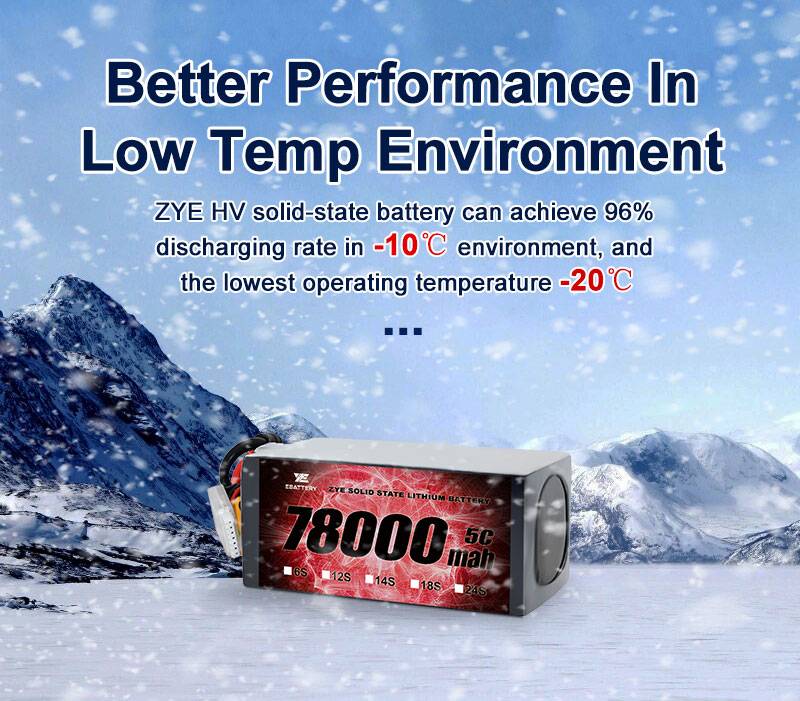
Nickel's role in lithium batteries is primarily in the cathode. The cathode is the positive electrode — the component that releases lithium ions into the electrolyte during discharge and accepts them back during charging.
The most common cathode chemistries in commercial lithium batteries are NMC (lithium nickel manganese cobalt oxide) and NCA (lithium nickel cobalt aluminum oxide). Both contain significant nickel content. High-nickel NMC variants — labeled NMC 811 (80% nickel) or NMC 622 (60% nickel) — have become increasingly common in energy-dense applications because nickel content correlates with higher energy density at the cathode level.
A quality lithium polymer UAV battery using high-nickel NMC cathode chemistry typically contains 30 to 40% nickel by cathode weight. That nickel content is part of what enables the energy density figures advertised for commercial LiPo packs.
Do Solid State Batteries Use Nickel? Most Currently Do
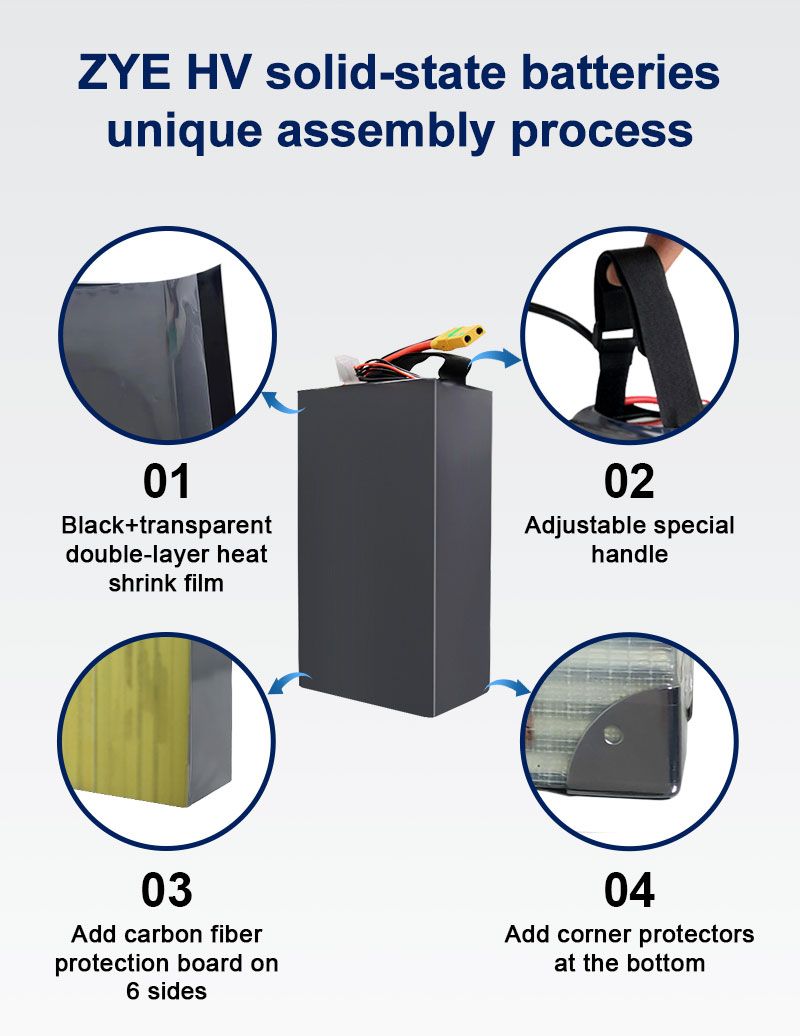
Here's where UAV operators often get surprised: most current-generation solid state batteries use the same NMC or NCA cathode chemistries as conventional lithium polymer batteries. The solid electrolyte replaces the liquid electrolyte, but the cathode material — including its nickel content — frequently remains unchanged in first-generation solid state designs.
This makes sense from a manufacturing perspective. NMC and NCA cathodes are well-characterized, proven performers with established production supply chains. Developing an entirely new cathode chemistry alongside a new electrolyte system adds complexity and risk to an already challenging engineering problem. Most solid state battery manufacturers entering commercial production in 2024 to 2026 have prioritized the electrolyte transition while maintaining proven cathode materials.
The practical implication: a solid state UAV battery using NMC 811 cathode chemistry carries similar nickel supply chain exposure as an equivalent LiPo battery with the same cathode. The solid electrolyte doesn't change the nickel equation at the cathode level.
Where Solid State Design Can Reduce Nickel Dependency
The longer-term trajectory of solid state battery development does offer a path toward reduced nickel reliance — but it's not universal in current products.
Lithium metal anode designs (covered in the previous article in this series) enable higher energy density from the anode side rather than requiring ever-higher nickel content at the cathode. If the anode delivers significantly more energy per gram, the cathode doesn't need to be pushed to maximum nickel content to achieve target energy density specifications.
Some solid state battery developers are using this architectural flexibility to explore lower-nickel cathode chemistries — including LFP (lithium iron phosphate) cathodes, which contain no nickel or cobalt but traditionally sacrifice energy density. Paired with a lithium metal anode in a solid state design, LFP cathodes can potentially reach competitive energy density figures while eliminating nickel and cobalt from the cathode entirely.
This is development-stage rather than widely commercially available in UAV battery formats in 2026, but it represents a genuine medium-term trajectory that procurement teams with long planning horizons should track.
What This Means for UAV Battery Procurement
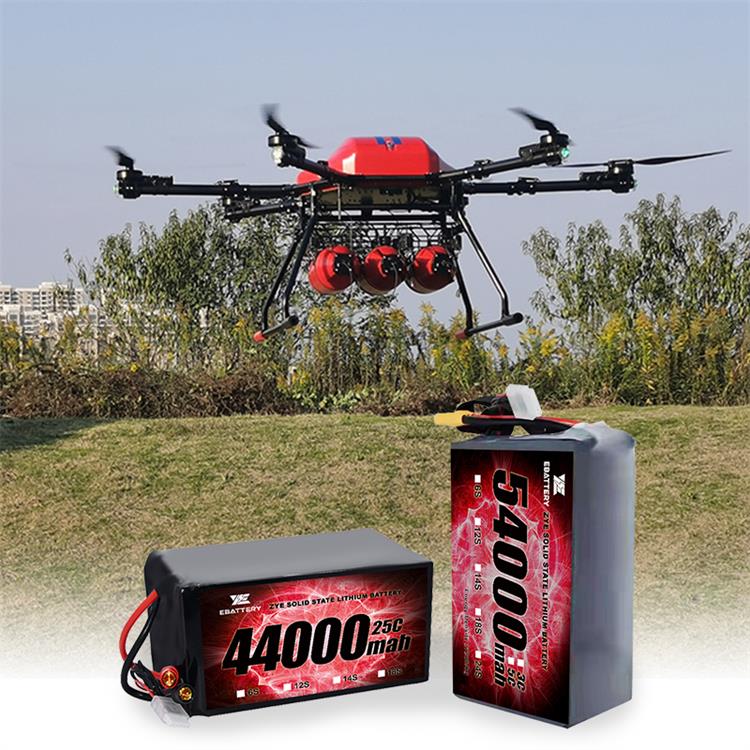
For procurement decisions today, the nickel question in solid state batteries resolves to:
Ask the manufacturer what cathode chemistry their solid state battery uses. NMC or NCA means nickel exposure similar to high-performance LiPo batteries — with the same cost volatility and supply chain considerations. LFP cathode means no nickel, lower energy density in most current designs, but better cost stability and simpler supply chain.
Neither is universally correct. The right cathode choice depends on whether your operation prioritizes maximum energy density, cost predictability, or supply chain diversification.
ZYEBATTERY's Cathode Transparency
ZYEBATTERY provides cathode chemistry documentation for solid state lithium ion and high-performance lithium polymer UAV batteries — including nickel content information relevant to procurement compliance and supply chain due diligence. For purchasing teams that need this information, it's part of what we include in product documentation rather than something you need to specifically request.
Send Inquiry



X
We use cookies to offer you a better browsing experience, analyze site traffic and personalize content. By using this site, you agree to our use of cookies.
Privacy Policy
News
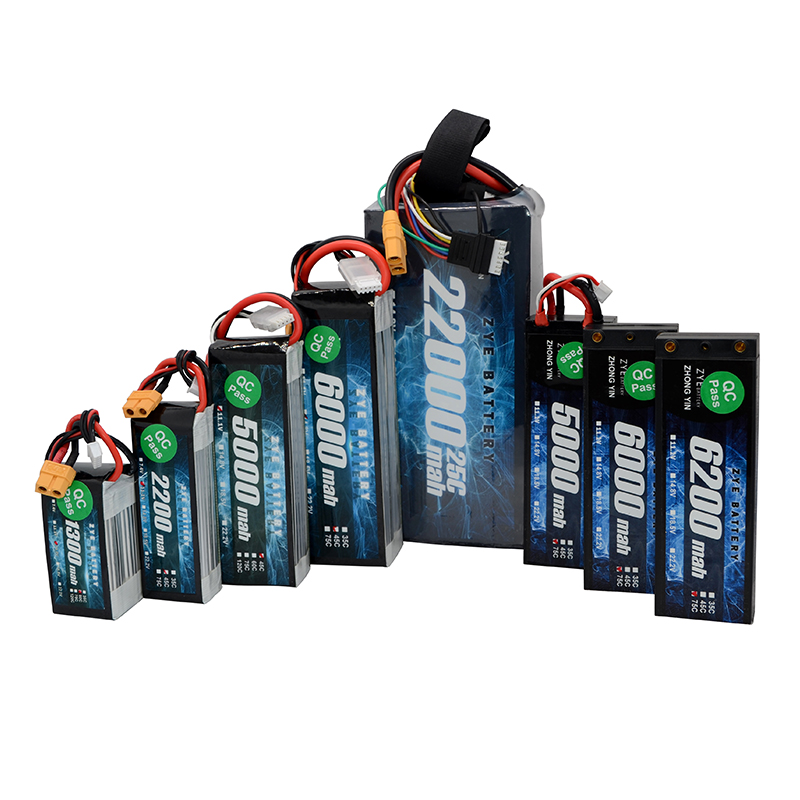 How to build a drone lipo battery pack?2025/08/28