 English
 Español
 Português
 русский
 Français
 日本語
 Deutsch
 tiếng Việt
 Italiano
 Nederlands
 ภาษาไทย
 Polski
 한국어
 Svenska
 magyar
 Malay
 বাংলা ভাষার
 Dansk
 Suomi
 हिन्दी
 Pilipino
 Türkçe
 Gaeilge
 العربية
 Indonesia
 Norsk
 تمل
 český
 ελληνικά
 український
 Javanese
 فارسی
 தமிழ்
 తెలుగు
 नेपाली
 Burmese
 български
 ລາວ
 Latine
 Қазақша
 Euskal
 Azərbaycan
 Slovenský jazyk
 Македонски
 Lietuvos
 Eesti Keel
 Română
 Slovenski
 मराठी
 Srpski језик

Call Us
+86-15768259626
Email Us
coco@zyepower.com

Can you half charge a lipo battery?
Can You Half Charge a LiPo Battery? Yes, and Here's When It's the Smart Move
Yes, you can. Partial charging is safe for a LiPo battery, and in many situations it's better for the pack than topping it off to 100%.
The part worth understanding is when half a charge helps, when it causes problems, and the one maintenance step you can't skip if you charge this way regularly.
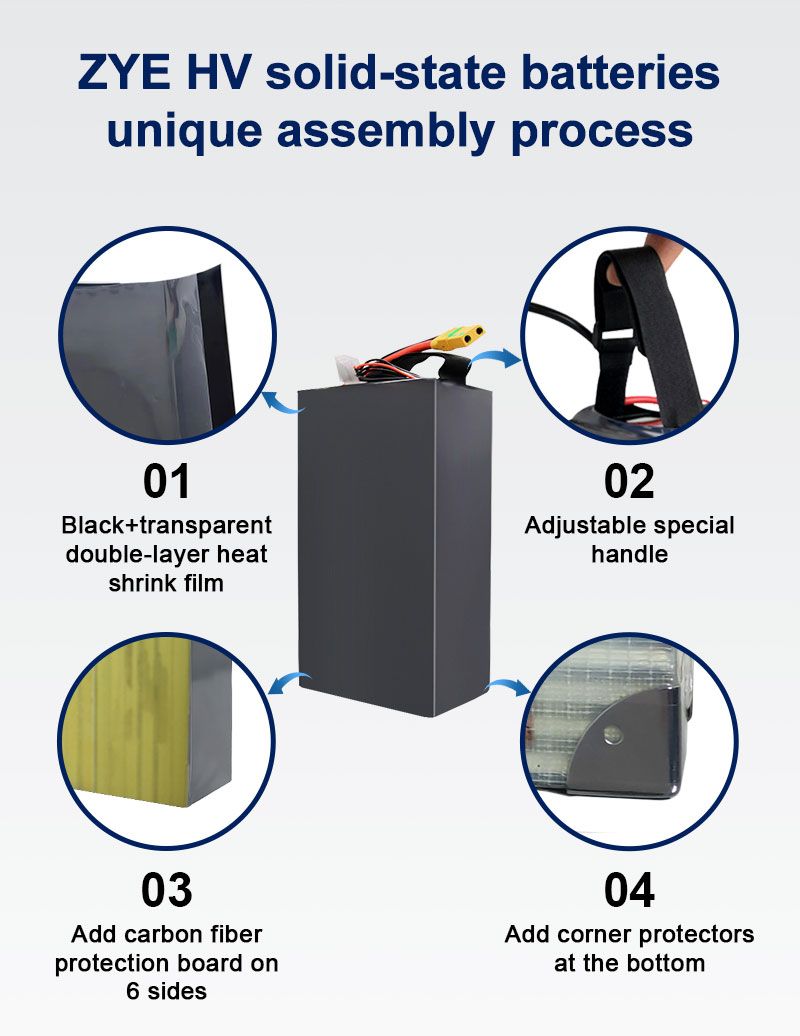
Why Partial Charging Is Fine
Old rechargeable batteries needed full cycles to avoid a "memory effect." LiPo cells don't have that. You can stop a charge at any point without harming the cell.
In fact, the opposite is true. Lithium cells are under the most stress at high voltage. A pack sitting at a full 4.2V per cell is working against itself, and a pack charged only as high as the mission requires spends less time in that stressed state.
So partial charging isn't a compromise. For the battery's health, it's often an advantage.
Where a Half Charge Is the Right Choice
Storage. This is the clearest case. A half-charged pack, roughly 3.8V per cell, is at its most stable. If your drone won't fly for a few days or longer, storing at this level slows aging. Most quality chargers include a storage mode that stops at this voltage automatically.
Short missions. If a flight needs only half the pack's capacity, charging fully just adds stress for no benefit.
Shipping and transport. Lower charge levels are generally preferred when moving lithium batteries, and many carriers and regulations expect it.
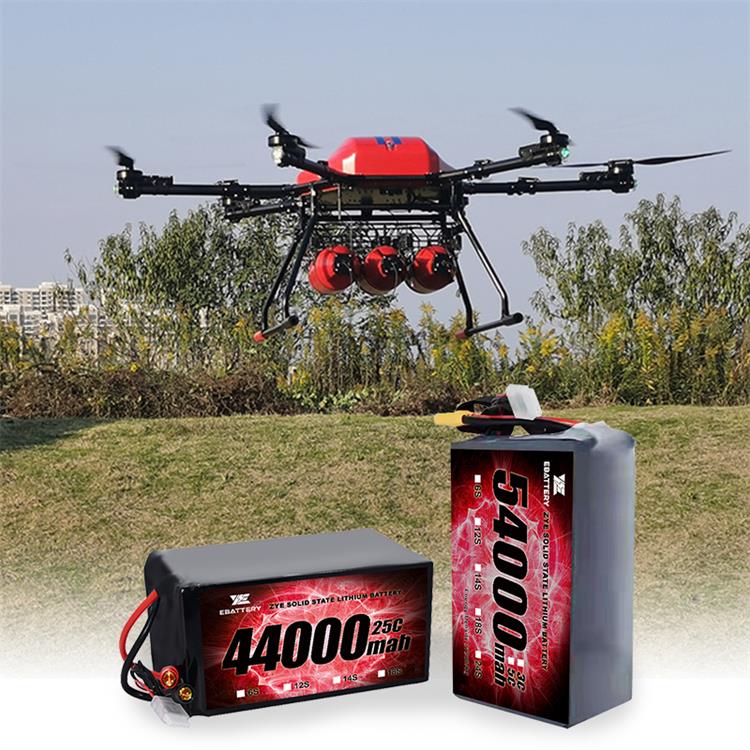
Flying on a Partial Charge: What Changes
A pack that starts at half charge gives you roughly half the flight time. That sounds obvious, but plan around it.
Keep your reserve. The low-voltage margin is what protects the cells, not the starting point. Land with a comfortable cushion, often around 20 to 25% remaining, instead of treating the warning as the target.
Expect more sag. Voltage drops more under load when a pack is at lower charge, so aggressive maneuvers or heavy payloads feel it first.
Be careful in the cold. Cold packs already lose capacity. Starting from a half charge in cold weather leaves less margin than you'd think.
For missions with a fixed duration or payload, it's usually safer to charge fully and land with reserve than to start low and push your limits.
The Caveat: Balancing Doesn't Happen at Half Charge
This is the point most pilots miss. Cell balancing in most chargers happens near the top of the charge, typically as cells approach full voltage. If you only ever charge partway, the cells may never get balanced.
Over many cycles, small differences between cells can grow. One cell ends up consistently lower or higher than the others, which reduces usable capacity and stresses the weaker cell.
The fix is simple. Run a full balance charge periodically, such as every several cycles or at least once a month, then return the pack to storage voltage if it won't fly right away. Check individual cell voltages afterward. They should be very close.

A Simple Routine
Charge to the level the mission needs, or fully for demanding flights.
After flying, return packs to storage voltage if they won't be used within a day or two.
Run a full balance charge periodically and check cell voltages.
Retire any pack that shows swelling, heat, or persistent cell imbalance.
Common Mistakes
Leaving a pack full for days between flights.
Storing a pack nearly empty, which can drift it into a damaging low-voltage state.
Skipping the periodic balance charge.
Flying low on charge without enough reserve.
ZYEBATTERY's Guidance
ZYEBATTERY provides charge and storage guidance, including recommended storage voltage and balance practices, with its lithium polymer and solid state lithium ion UAV batteries. Match the charge to the mission, balance the cells regularly, and the pack will reward you with a longer service life.
Send Inquiry



X
We use cookies to offer you a better browsing experience, analyze site traffic and personalize content. By using this site, you agree to our use of cookies.
Privacy Policy
News
 Can I charge lipo battery with li-ion charger?2026/11/19
Can I charge lipo battery with li-ion charger?