English
 Español
  Português
  русский
  Français
  日本語
日本語  Deutsch
  tiếng Việt
  Italiano
  Nederlands
  ภาษาไทย
  Polski
  한국어
한국어  Svenska
  magyar
  Malay
Malay  বাংলা ভাষার
  Dansk
Dansk  Suomi
Suomi  हिन्दी
  Pilipino
  Türkçe
  Gaeilge
  العربية
  Indonesia
  Norsk
Norsk  تمل
تمل  český
český  ελληνικά
  український
  Javanese
  فارسی
فارسی  தமிழ்
தமிழ்  తెలుగు
  नेपाली
  Burmese
  български
  ລາວ
ລາວ  Latine
  Қазақша
  Euskal
  Azərbaycan
  Slovenský jazyk
  Македонски
  Lietuvos
  Eesti Keel
  Română
  Slovenski
  मराठी
मराठी  Srpski језик

Call Us
+86-15768259626
Email Us
coco@zyepower.com

7 Battery Mistakes That Are Quietly Killing Your Industrial Drones
Most industrial drone failures don't announce themselves. There's no warning light, no obvious moment where something went wrong. The damage builds slowly — cycle by cycle, flight by flight — until one day you're dealing with a crashed aircraft, a ruined payload, or a battery that swells up in storage.
The frustrating part? Most of it is preventable.
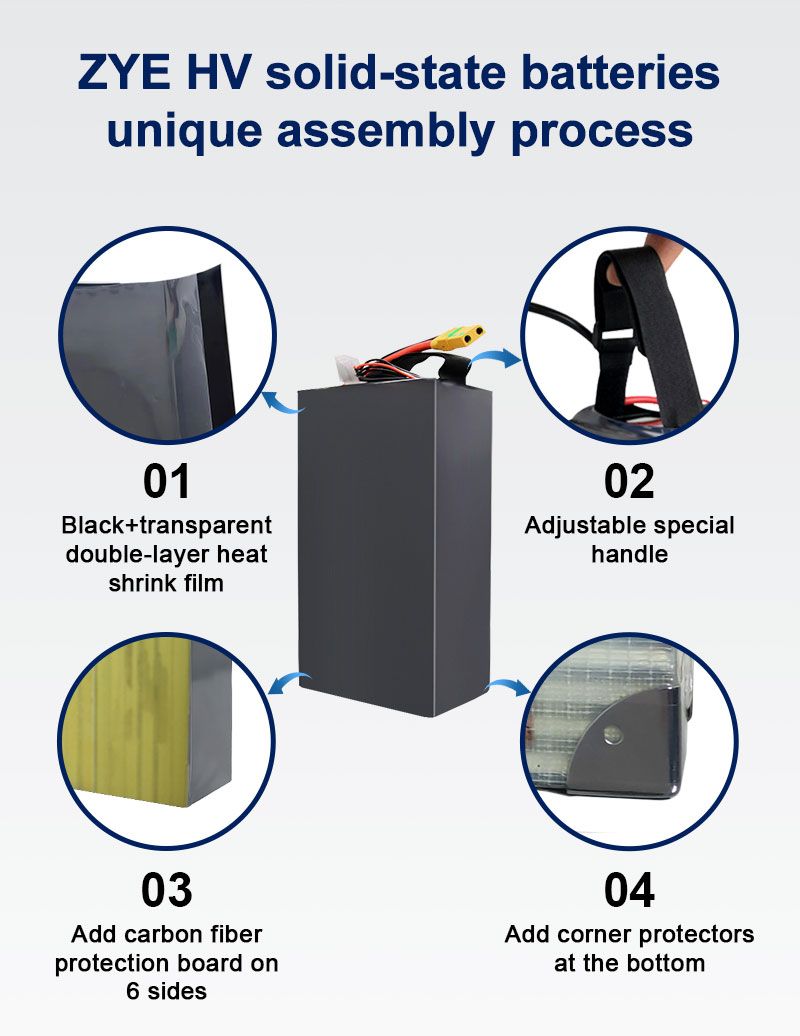
Here are seven battery mistakes that show up constantly in industrial UAV operations, and what to do instead.
1. Storing Batteries at Full Charge
Leaving your LiPo or lithium polymer UAV battery at 100% state of charge between missions is one of the fastest ways to degrade it. Lithium cells stored at high voltage experience accelerated electrolyte breakdown. Over time, you lose usable capacity — permanently.
Fix it: Store batteries at 40–60% charge. Most modern battery management systems (BMS) support storage mode charging. Use it.
2. Ignoring Temperature Before Flight
Cold batteries are weak batteries. A UAV battery that sat in a vehicle overnight at 30°F has measurably reduced capacity compared to the same pack at 70°F. Operators who don't account for this end up with shorter-than-expected flight times — or voltage sags that trigger emergency landings.
Fix it: Warm batteries to at least 60–70°F before flight in cold conditions. Don't leave them in direct sunlight either — heat above 95°F during storage accelerates degradation just as surely as cold affects performance.
3. Running Packs to Near-Zero Voltage
Deep discharging is brutal on lithium chemistry. Draining a UAV battery below its minimum cell voltage — even once — can cause permanent capacity loss. Do it repeatedly and you're shortening a pack's useful life by dozens of cycles.
Fix it: Set your low-voltage cutoff conservatively. Land with buffer. A few extra minutes on the ground is worth far more than the capacity you lose by pushing limits.
4. Using Mismatched Chargers
This one seems obvious but it happens constantly, especially in operations running mixed fleets. A charger calibrated for one battery profile won't charge a different cell chemistry or configuration correctly. At best you get suboptimal performance. At worst, thermal runaway.
Fix it: Match charger to battery spec — voltage, chemistry, and charge rate. When in doubt, use the manufacturer-recommended charger.
5. Skipping Post-Flight Inspections
Industrial drone batteries take real abuse. Vibration, thermal cycling, physical stress from landings — all of it accumulates. Operators who skip post-flight battery checks miss early warning signs: slight swelling, connector discoloration, unusual warmth after a normal mission.
Fix it: Build a 60-second battery inspection into every post-flight checklist. Look for physical deformation, check connector condition, note if a pack is hotter than usual. Catching a problem early is the difference between retiring one pack and crashing one drone.
6. Ignoring Cycle Count Records
Without tracking cycle count per pack, you're flying blind on fleet health. Industrial UAV batteries have a finite cycle life — typically 200 to 500 cycles depending on chemistry and usage patterns. Operators who don't log this end up running degraded packs well past their reliable service window.
Fix it: Log every cycle. Most advanced BMS-equipped batteries report cycle data automatically. If yours don't, track it manually. Retire packs based on data, not guesswork.
7. Buying Cheap Batteries for Expensive Operations
Industrial drone programs represent serious investment — aircraft, sensors, operator time, mission planning. It makes no sense to protect that investment with cut-rate batteries that lack proper BMS protection, cell matching, or quality control.
Underspec'd batteries don't just fail faster. They fail unpredictably.
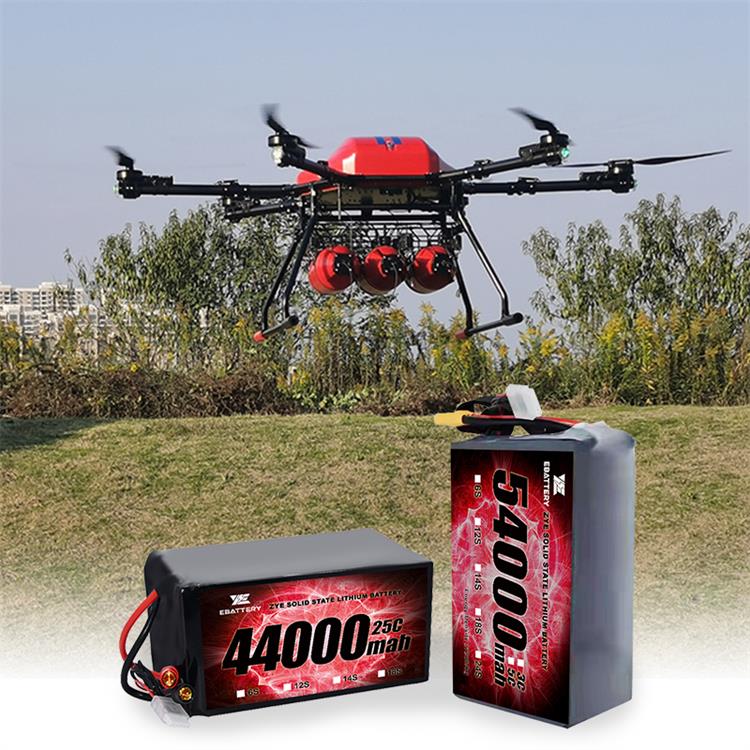
Fix it: Source UAV batteries from manufacturers who build specifically for industrial applications. ZYEBATTERY's high-performance lithium polymer and solid-state lithium-ion UAV batteries are engineered with industrial duty cycles in mind — tighter tolerances, robust BMS integration, and documented performance across real operating conditions.
The Bottom Line
Battery mistakes in industrial drone operations are almost always slow-moving problems. They don't show up immediately — they compound. Fix the habits now, and your fleet will thank you in reliability, lower replacement costs, and fewer surprises in the field.
Send Inquiry



X
We use cookies to offer you a better browsing experience, analyze site traffic and personalize content. By using this site, you agree to our use of cookies.
Privacy Policy
News
 How to build a drone lipo battery pack?2025/08/28