English
 Español
  Português
  русский
  Français
  日本語
日本語  Deutsch
  tiếng Việt
  Italiano
  Nederlands
  ภาษาไทย
  Polski
  한국어
한국어  Svenska
  magyar
  Malay
Malay  বাংলা ভাষার
  Dansk
Dansk  Suomi
Suomi  हिन्दी
  Pilipino
  Türkçe
  Gaeilge
  العربية
  Indonesia
  Norsk
Norsk  تمل
تمل  český
český  ελληνικά
  український
  Javanese
  فارسی
فارسی  தமிழ்
தமிழ்  తెలుగు
  नेपाली
  Burmese
  български
  ລາວ
ລາວ  Latine
  Қазақша
  Euskal
  Azərbaycan
  Slovenský jazyk
  Македонски
  Lietuvos
  Eesti Keel
  Română
  Slovenski
  मराठी
मराठी  Srpski језик

Call Us
+86-15768259626
Email Us
coco@zyepower.com

Choosing the Right Lithium Polymer Battery for Field Research Missions
Field research doesn't forgive bad equipment choices. Whether you're mapping wetlands, monitoring wildlife corridors, or collecting atmospheric data in remote terrain, your UAV is only as dependable as the battery powering it.
And yet, battery selection is often the last thing researchers think about — until they're standing in the middle of nowhere with a drone that won't finish the job.
Here's what actually matters when choosing a lithium polymer battery for field research missions.
Understand What "Field Research" Demands From a Battery
Consumer drone work and field research UAV operations are different animals. Research missions typically involve:
Longer flight windows with fewer opportunities to land and swap
Unpredictable environmental conditions — heat, cold, humidity, altitude
Heavier payloads like multispectral sensors, LiDAR units, or sampling equipment
Remote locations where a battery failure means lost data, not just a delayed afternoon
A LiPo battery that performs fine in controlled conditions may behave very differently at 8,000 feet elevation or in 95°F heat. You need to select for real-world resilience, not just spec sheet numbers.
The Specs That Actually Matter in the Field
Capacity (mAh) vs. Weight Trade-off
More capacity sounds better, but it comes with added weight — and weight cuts into payload and agility. For research drones carrying sensor equipment, this balance is critical. Figure out your payload weight first, then work backward to find the capacity sweet spot that gives you adequate flight time without over-burdening the airframe.
As a rough rule: prioritize energy density (Wh/kg) over raw mAh figures when comparing packs.
Discharge Rate (C Rating)
Research payloads draw consistent power throughout a mission. A battery with a C rating too low for your system will sag under load, reducing effective capacity and risking voltage drops that can cause mid-flight shutdowns. For most research-grade UAVs, a continuous discharge rating of 15C–25C is a reasonable starting range — verify against your aircraft's peak current draw.
Operating Temperature Range
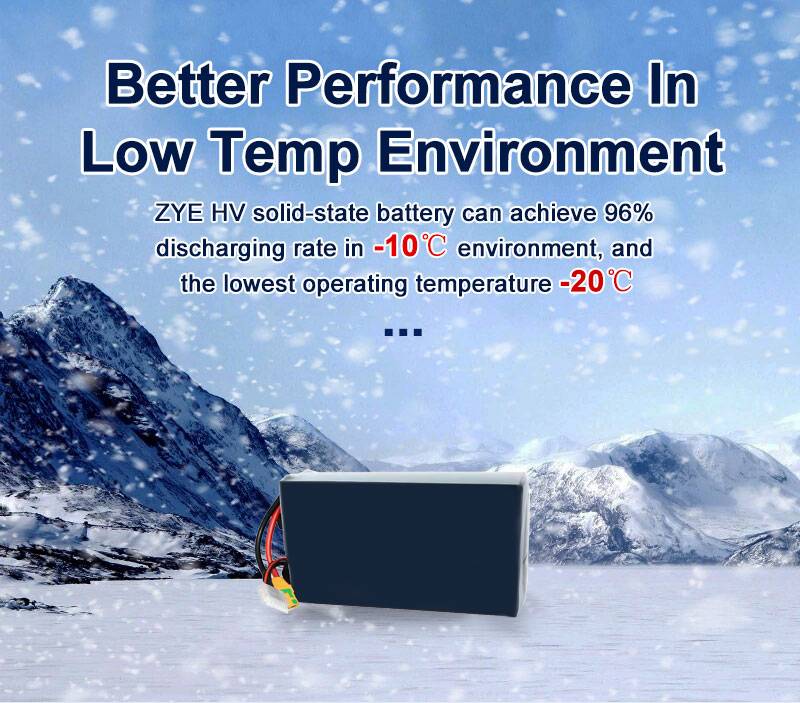
This one gets overlooked constantly. LiPo chemistry is sensitive to temperature. Cold weather reduces available capacity — sometimes significantly. If you're running missions in early mornings, at altitude, or in northern latitudes, confirm the battery's rated low-temperature performance. Some lithium polymer batteries are built to maintain stable output down to -20°C; others fall off a cliff below 10°C.
Cycle Life and Long-Term Reliability
Field research programs run for months, sometimes years. A battery that degrades fast means constantly managing replacements — which is both costly and logistically annoying in remote settings. Look for packs with documented cycle life ratings and integrated battery management systems (BMS) that protect against overcharge, deep discharge, and cell imbalance.
Form Factor and Compatibility
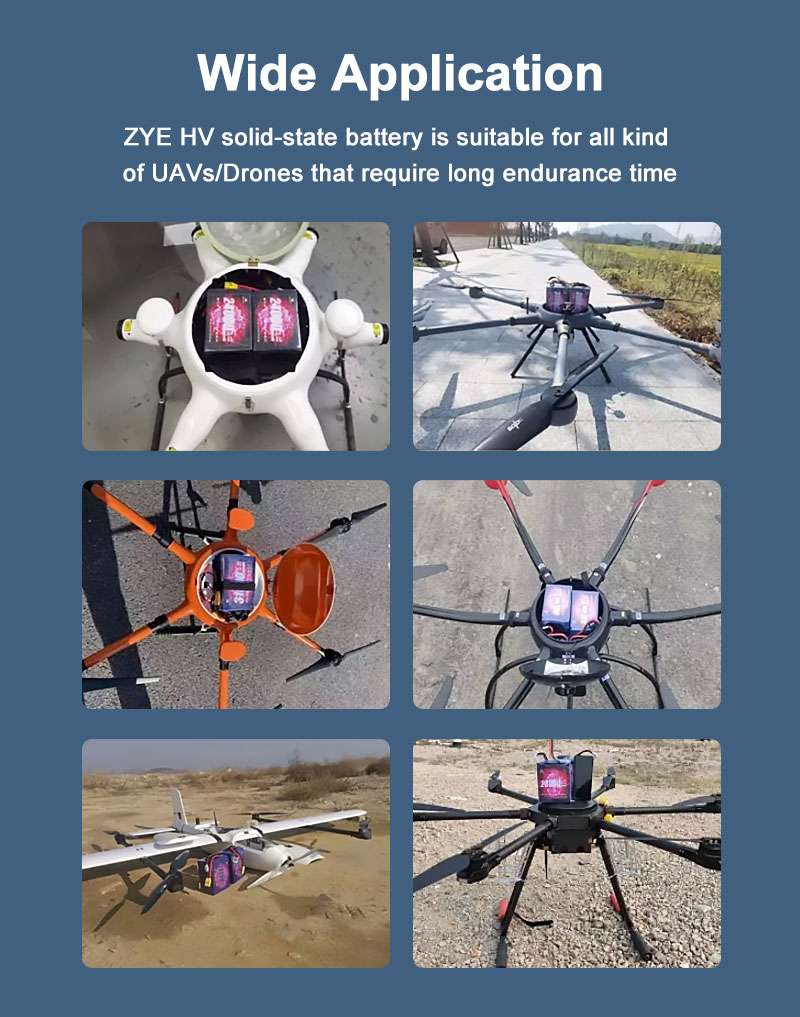
Not all LiPo batteries fit all drones. Before buying, confirm:
Connector type — XT60, AS150, or manufacturer-specific plugs
Physical dimensions — battery bay clearance matters, especially with modified research airframes
Voltage configuration — most research UAVs run 6S (22.2V) or 12S (44.4V) systems; mismatched voltage will damage electronics
If you're running a custom or heavily modified research platform, this step saves a lot of expensive headaches.
Why the Battery Manufacturer Matters
Not every lithium polymer battery is made to the same standard. For field research applications, sourcing from a manufacturer that specifically engineers UAV batteries — rather than repurposing consumer or RC hobby packs — makes a meaningful difference in consistency and reliability.
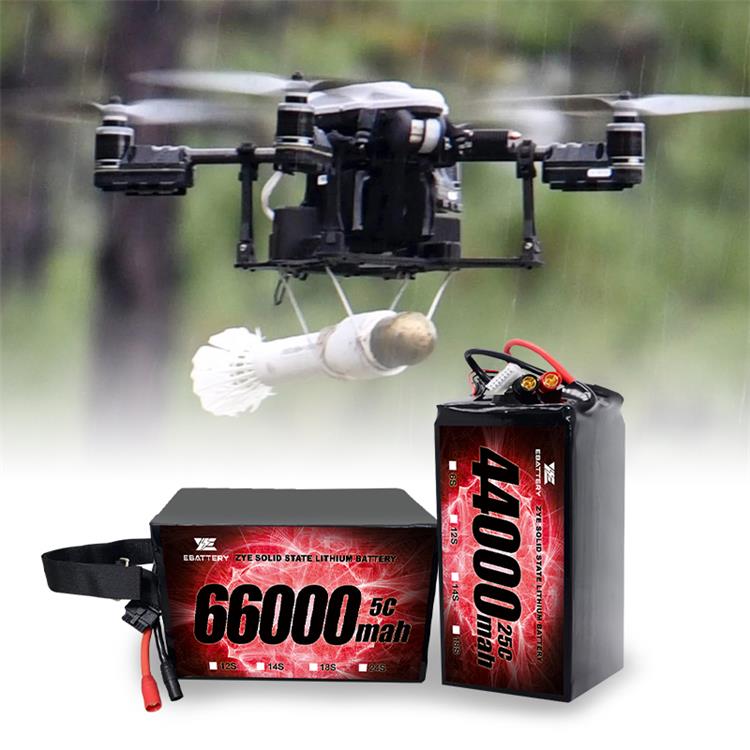
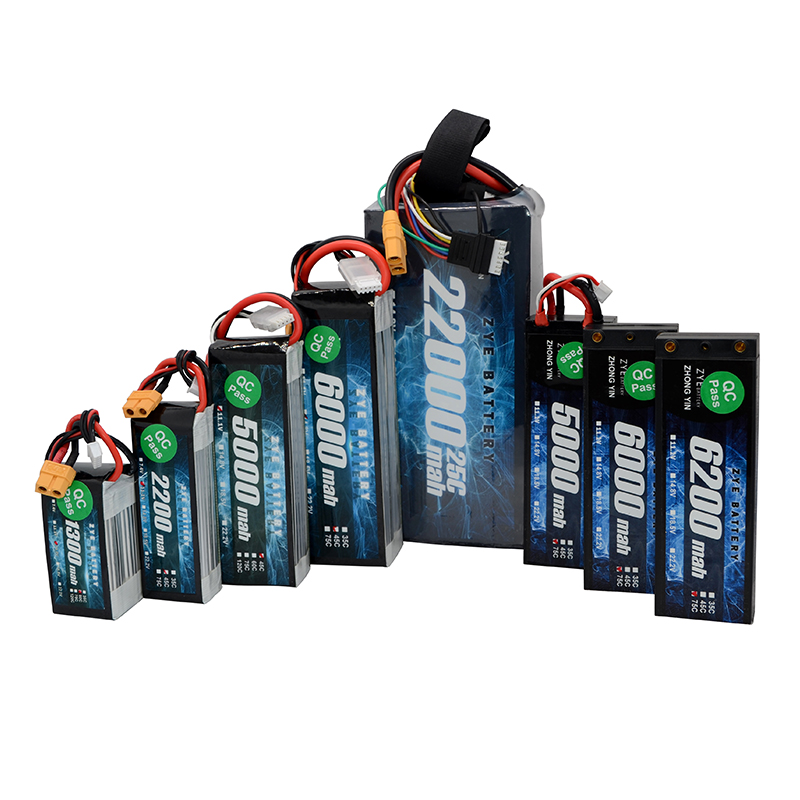
ZYEBATTERY designs high-performance lithium polymer and solid-state lithium-ion batteries purpose-built for UAV applications. That means tighter cell matching, more robust BMS integration, and build quality that holds up across hundreds of field cycles — not just the first twenty.
Final Thought
A field research mission is an investment of time, money, and often irreplaceable data. The battery keeping your drone airborne shouldn't be the weak link.
Match the spec to the mission. Pressure-test your assumptions before the field season starts. And buy from people who actually build for UAVs.
Send Inquiry



X
We use cookies to offer you a better browsing experience, analyze site traffic and personalize content. By using this site, you agree to our use of cookies.
Privacy Policy
News
 How to build a drone lipo battery pack?2025/08/28