English
 Español
  Português
  русский
  Français
  日本語
日本語  Deutsch
  tiếng Việt
  Italiano
  Nederlands
  ภาษาไทย
  Polski
  한국어
한국어  Svenska
  magyar
  Malay
Malay  বাংলা ভাষার
  Dansk
Dansk  Suomi
Suomi  हिन्दी
  Pilipino
  Türkçe
  Gaeilge
  العربية
  Indonesia
  Norsk
Norsk  تمل
تمل  český
český  ελληνικά
  український
  Javanese
  فارسی
فارسی  தமிழ்
தமிழ்  తెలుగు
  नेपाली
  Burmese
  български
  ລາວ
ລາວ  Latine
  Қазақша
  Euskal
  Azərbaycan
  Slovenský jazyk
  Македонски
  Lietuvos
  Eesti Keel
  Română
  Slovenski
  मराठी
मराठी  Srpski језик

Call Us
+86-15768259626
Email Us
coco@zyepower.com

Solid State Drone Battery Tech: How It Elevates UAV Flight Safety
If you've ever worried about a battery swelling on the charger, felt a pack get uncomfortably hot after a flight, or hesitated to push a mission because of power concerns, you understand the core safety trade-off with current tech. We push for more flight time and power, but that can edge us closer to the physical limits of traditional lithium-ion cells. What if the next big leap wasn't just more energy, but fundamentally safer energy?
That’s the promise cutting through the industry right now: solid-state drone battery technology. It’s not just another incremental spec bump. For UAV operators and manufacturers, it represents a foundational shift in how we think about UAV flight safety. Let’s talk about how it works and why it matters for your missions.
The Game Changer: Removing the Fuel Source
Here’s the core of the issue with standard LiPo and Li-ion packs. They use a liquid electrolyte—that’s the medium that lets lithium ions shuttle back and forth. This liquid is organic and flammable. When a cell is damaged, severely overcharged, or experiences an internal short, that electrolyte can heat up, break down, create gas (causing swelling), and potentially ignite. This is called thermal runaway.
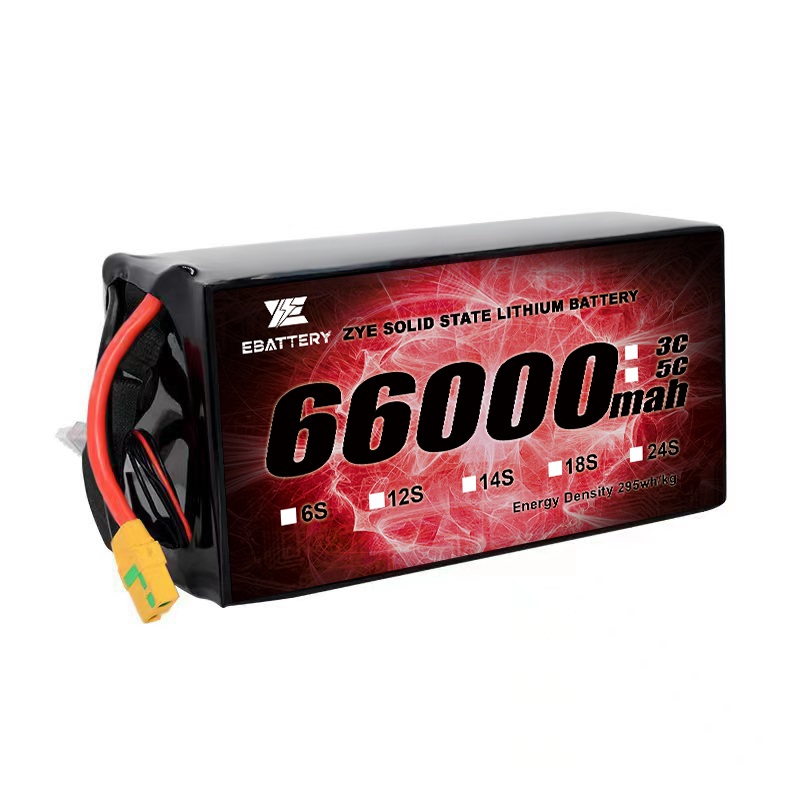
A solid-state lithium-ion battery replaces that volatile liquid with a solid electrolyte. Think of it like replacing the gasoline in a car's tank with a solid, non-flammable fuel block. This single material change has massive implications:
Drastically Reduced Fire Risk: No liquid to vaporize and ignite. Even in extreme abuse scenarios like puncture or crush testing, the reaction is far less violent. This directly translates to safer operations over populated areas, sensitive environmental sites, or when carrying expensive payloads.
Inherent Resistance to Dendrites: Over time, microscopic lithium spikes called dendrites can grow inside traditional cells and pierce the separator, causing dangerous shorts. The solid electrolyte is much more physically resistant to this penetration, leading to a more stable and predictable cell over its entire lifespan.
Built for the Real World, Not Just the Lab
For professionals, a battery must perform in the field, not just on a data sheet. Solid-state drone batteries shine here, directly addressing environmental pain points.
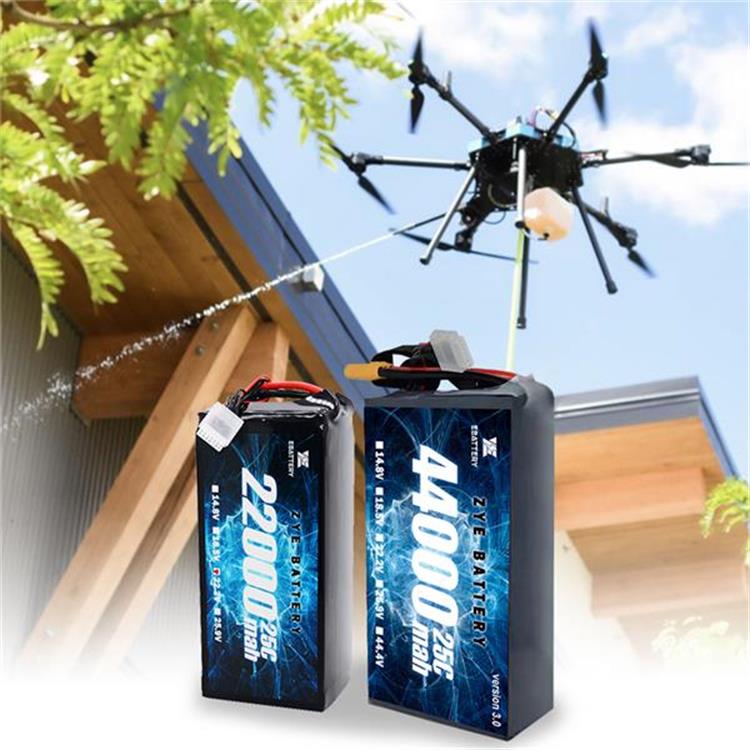
True Extreme Environment Stability: The solid electrolyte isn’t prone to freezing or boiling. This means more consistent performance and safer operation in both Arctic cold and desert heat. You get reliable power delivery when you need it most, without the safety anxieties that come with pushing traditional batteries to their temperature limits.
Rugged by Design: The solid layer adds structural integrity to the cell itself. It’s better at handling the constant vibrations from motors and the occasional hard landing, reducing the risk of internal damage that could lead to failure.
Performance Meets Peace of Mind
The best part? This isn’t a safety-for-performance trade-off. The properties that make solid-state battery tech safer also unlock performance benefits:
The Path to Higher Energy Density: While early-stage, the chemistry allows for the potential of packing more energy into the same space. This means future iterations could deliver the extended flight time everyone wants, but from a fundamentally safer core.
Potential for Lightning-Fast Charging: These cells can potentially accept much higher charge currents without the degradation or risks seen in liquid cells. Imagine rapid turnaround between flights without sweating over battery health or safety.
The Future is a Collaborative Build
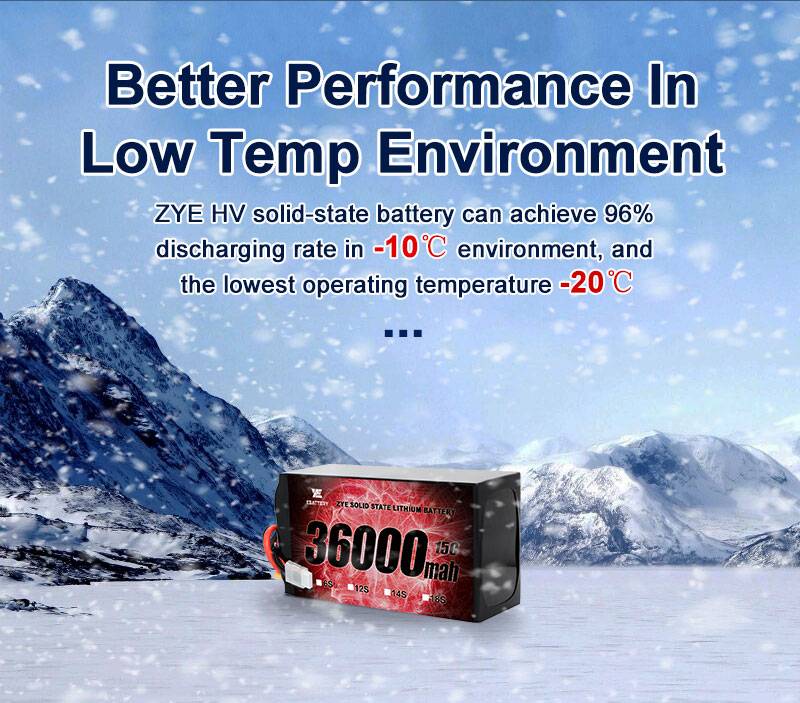
At ZYEBATTERY, we see this as more than a headline. We’re actively working to integrate solid-state lithium-ion cells into practical, high-performance pack designs. For forward-thinking UAV manufacturers, this is the moment to start designing the next generation of platforms around a safer power core.
Adopting this technology early is a strategic decision. It’s about mitigating operational risk, protecting your capital investment in the drone and its payload, and future-proofing your products against increasingly stringent safety regulations.
The bottom line for any serious operator or builder: Elevating UAV flight safety is the ultimate priority. Solid-state drone battery technology provides a tangible, chemistry-level solution to the most critical vulnerability in today’s UAV systems.
Curious about how this translates from theory to a battery pack in your drone? We’re bridging that gap. Our engineering focus is on making this next-generation safety tangible.
Reach out to our technical team to discuss what solid-state integration could look like for your specific application. Let's build a safer foundation for the future of flight, together.
Send Inquiry



X
We use cookies to offer you a better browsing experience, analyze site traffic and personalize content. By using this site, you agree to our use of cookies.
Privacy Policy
News
 How to build a drone lipo battery pack?2025/08/28