English
 Español
  Português
  русский
  Français
  日本語
日本語  Deutsch
  tiếng Việt
  Italiano
  Nederlands
  ภาษาไทย
  Polski
  한국어
한국어  Svenska
  magyar
  Malay
Malay  বাংলা ভাষার
  Dansk
Dansk  Suomi
Suomi  हिन्दी
  Pilipino
  Türkçe
  Gaeilge
  العربية
  Indonesia
  Norsk
Norsk  تمل
تمل  český
český  ελληνικά
  український
  Javanese
  فارسی
فارسی  தமிழ்
தமிழ்  తెలుగు
  नेपाली
  Burmese
  български
  ລາວ
ລາວ  Latine
  Қазақша
  Euskal
  Azərbaycan
  Slovenský jazyk
  Македонски
  Lietuvos
  Eesti Keel
  Română
  Slovenski
  मराठी
मराठी  Srpski језик

Call Us
+86-15768259626
Email Us
coco@zyepower.com

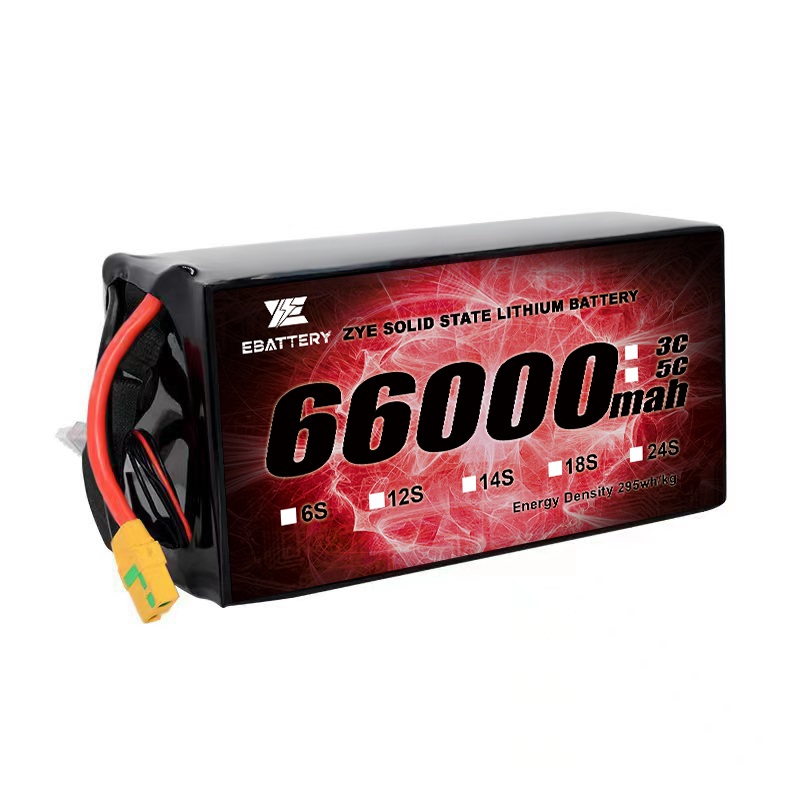
Which High Energy Solid State Drone Battery Boosts UAV Flight Time Most?
Which high energy solid state drone battery boosts UAV flight time most? From a practical operator’s point of view, the “best” choice is the pack that delivers the highest usable energy density, safe discharge performance, and a good match to your drone’s power system and missions. In today’s market, the leaders are semi‑solid and solid‑state lithium packs in the 300–400 Wh/kg class, which typically extend endurance by around 20–35% compared with standard LiPo packs of the same weight.
What makes a drone battery “high energy”
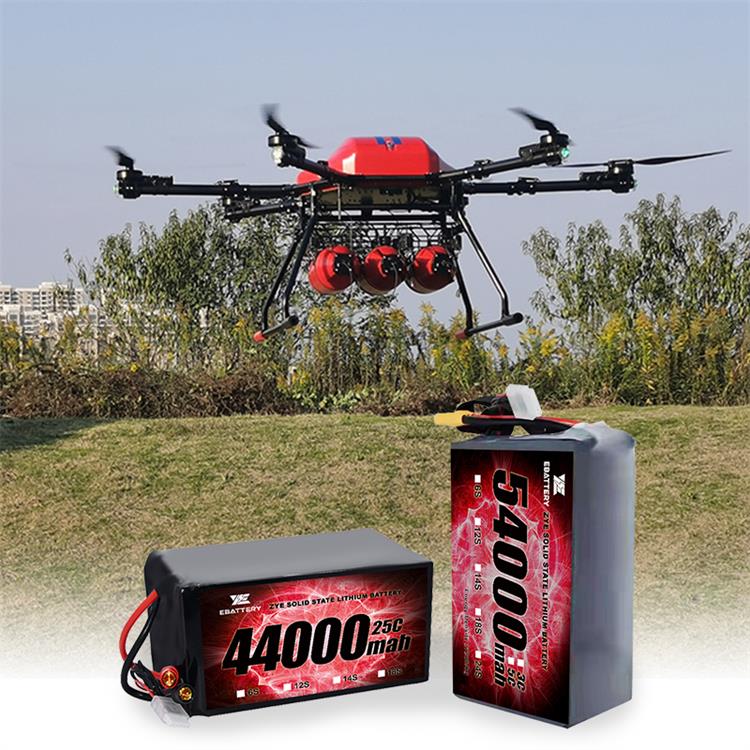
When people search for a high energy solid state drone battery, what they usually want is more flight time without increasing take‑off weight. This comes down to one core metric: energy density, commonly expressed in Wh/kg, which shows how much energy the battery stores per kilogram.
Solid and semi‑solid‑state drone batteries raise this number significantly compared with traditional LiPo or cylindrical Li‑ion packs. Many commercial UAV packs now reach 250–300 Wh/kg, while new semi‑solid and high‑voltage designs are pushing energy density close to or above 350–400 Wh/kg for specialized use cases.
How solid state boosts UAV flight time
Swapping from a standard LiPo to a high energy solid state drone battery usually delivers an immediate and visible boost in flight time. Several manufacturers report that their solid‑state or semi‑solid packs increase endurance by roughly 20–30% versus conventional LiPo or standard Li‑ion batteries in the same configuration, thanks to higher energy density and lower weight.
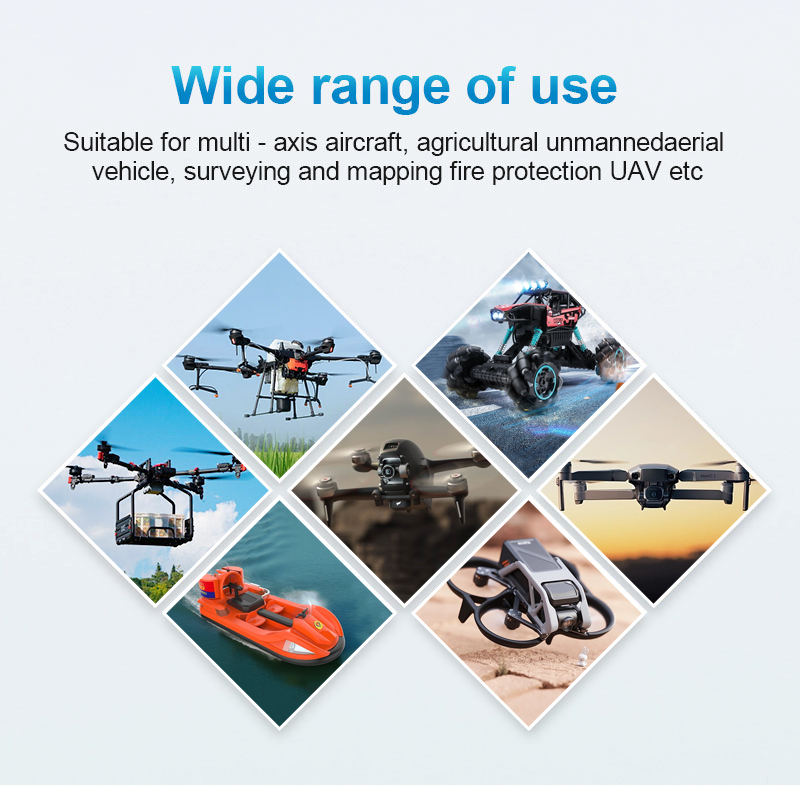
For long‑range mapping, inspection, logistics and public‑safety drones, that extra 20–30% can mean:
Longer route coverage per sortie, reducing number of flights and pilot time.
Extra safety buffer for return‑to‑home and unexpected maneuvers such as go‑arounds or diversions.
In addition, solid‑state chemistries typically offer better thermal stability and reduced fire risk compared with flammable liquid‑electrolyte designs, which is important for commercial operations and regulatory approvals.
What “boosts flight time most” in real projects
From an SEO and purchasing perspective, customers often search for phrases like “longest lasting drone battery” or “which solid state drone battery gives the longest flight time”. However, the pack that boosts UAV flight time most is not automatically the one with the single highest advertised Wh/kg. Real‑world performance depends on several factors that should be highlighted in any product page or blog content focusing on high energy solid state drone batteries.
Key factors that actually decide which battery gives the longest airborne time include:
True energy density at the pack level (not only at the cell level), including wiring, casing and BMS.
Continuous discharge rating that matches the UAV’s hover and climb current without excessive voltage sag.
Cycle life and how much capacity the pack retains after hundreds of charge‑discharge cycles, which keeps flight time stable over the battery’s lifetime.
Usable temperature range, especially for drones used in hot summers or cold winters, where poor temperature performance can cut endurance more than chemistry differences.
A high energy semi‑solid or solid‑state pack around 300–350 Wh/kg, with a stable 5C–10C discharge capability and good cycle life, will usually deliver more consistent flight‑time gains than an extreme‑spec pack that is hard to integrate or degrades quickly in field conditions.
How to choose the right high energy solid state drone battery
For operators comparing different high energy solid state drone batteries, a simple, customer‑friendly checklist helps guide decisions and supports SEO‑friendly content built around clear intent keywords. When writing or optimizing a blog article on this topic, it is useful to explain that buyers should consider:
Energy density and weight
Look for pack‑level energy density above 250 Wh/kg as a practical threshold, with 300 Wh/kg and higher reserved for more demanding missions. At the same time, confirm that the total pack weight fits within the drone’s maximum take‑off weight and keeps the thrust‑to‑weight ratio in a safe range.
Voltage and configuration
Match the solid state UAV battery’s voltage (for example 6S, 12S or 14S) to the drone’s ESCs and motors, avoiding drastic changes that could damage components or reduce efficiency. Higher‑voltage semi‑solid packs can improve powertrain efficiency, but only if the flight controller and propulsion system are designed for them.
Discharge rating and mission profile
Ensure the continuous C‑rate comfortably covers maximum hover and climb current, leaving enough headroom for wind, maneuvering and payload changes. For multirotor UAVs, a high energy solid state drone battery with a moderate but honest discharge rating often performs better in practice than a pack with aggressive marketing claims but larger voltage drops under load.
Certification, safety and logistics
For commercial customers, global safety certifications and transport documents (such as UN test reports) simplify shipping and after‑sales service. Solid‑state and semi‑solid drone batteries that combine high energy density with recognized safety approvals are more attractive for enterprises scaling fleets across regions.
By aligning product copy and blog content around these practical points—and consistently using phrases like “high energy solid state drone battery”, “solid state UAV battery”, and “extend drone flight time”—the article can speak naturally to human readers while also improving organic search visibility for buyers searching for longer‑endurance drone power solutions.
Send Inquiry



X
We use cookies to offer you a better browsing experience, analyze site traffic and personalize content. By using this site, you agree to our use of cookies.
Privacy Policy
News
 How to build a drone lipo battery pack?2025/08/28