English
 Español
  Português
  русский
  Français
  日本語
日本語  Deutsch
  tiếng Việt
  Italiano
  Nederlands
  ภาษาไทย
  Polski
  한국어
한국어  Svenska
  magyar
  Malay
Malay  বাংলা ভাষার
  Dansk
Dansk  Suomi
Suomi  हिन्दी
  Pilipino
  Türkçe
  Gaeilge
  العربية
  Indonesia
  Norsk
Norsk  تمل
تمل  český
český  ελληνικά
  український
  Javanese
  فارسی
فارسی  தமிழ்
தமிழ்  తెలుగు
  नेपाली
  Burmese
  български
  ລາວ
ລາວ  Latine
  Қазақша
  Euskal
  Azərbaycan
  Slovenský jazyk
  Македонски
  Lietuvos
  Eesti Keel
  Română
  Slovenski
  मराठी
मराठी  Srpski језик

Call Us
+86-15768259626
Email Us
coco@zyepower.com

Can drone solid state batteries be recycled?
As the drone industry pivots toward higher performance, solid-state batteries have become the "next big thing." They promise longer flights and safer operations, but for many enterprise users and environmentally conscious pilots, a major question remains: Can drone solid state batteries be recycled?
The short answer is yes, but the process is quite different from the traditional Lithium-Polymer (LiPo) or Lithium-Ion (Li-ion) packs we’ve used for years. Let’s break down what happens to these batteries after they’ve powered their final flight.
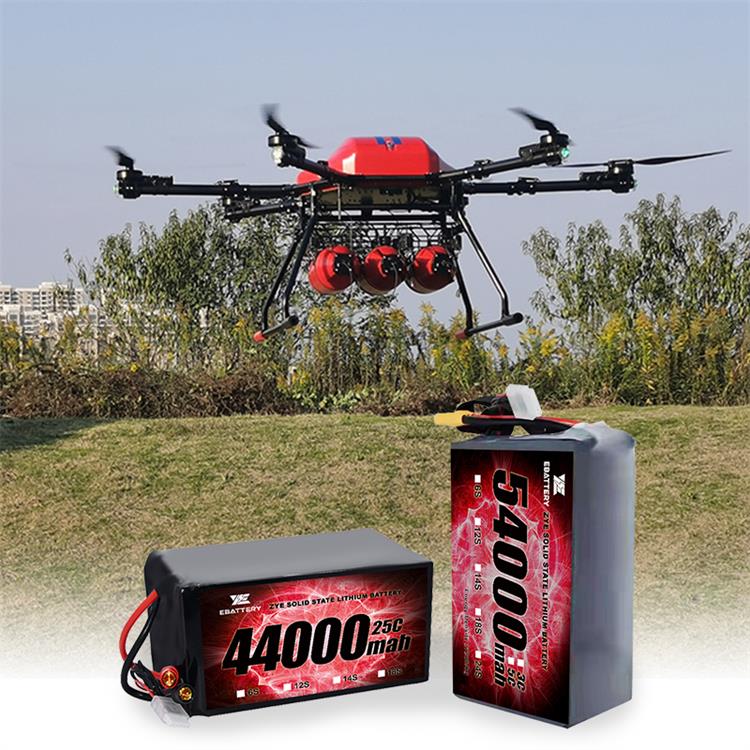
Solid-state drone batteries can be recycled, but current recycling technology is still developing and not yet as mature or widespread as for conventional lithium‑ion packs. For drone users and fleet operators, this means end‑of‑life management is possible, but it requires following professional channels and keeping an eye on future recycling innovations.
What solid-state drone batteries are
Solid-state drone batteries replace the liquid electrolyte in traditional lithium‑ion packs with a solid material such as a ceramic, sulfide, or polymer. This design improves safety and energy density for drones but also makes the battery structure more tightly integrated and harder to separate at end of life.
Why Recycling Solid State Batteries is Actually Easier
One of the biggest headaches with traditional drone batteries is the liquid electrolyte. It’s flammable, toxic, and makes the recycling process dangerous. If a LiPo battery is crushed during recycling, it can lead to a fire that’s incredibly hard to put out.
Solid-state batteries (SSBs) change the game because they replace that liquid with a solid material—usually a ceramic or a stable polymer. This "solid" nature makes them:
Safer to Transport: Spent batteries are less likely to catch fire during transit to a recycling facility.
Easier to Handle: Large-scale shredding machines can process solid-state cells with a significantly lower risk of thermal runaway.
Cleaner Separation: Because the materials aren't soaked in a liquid chemical "soup," it is often easier to separate the high-value metals from the battery casing.
The "Value" Inside the Battery
When we talk about recycling, we are really talking about recovering the "ingredients" that make the battery work. Just like traditional batteries, drone solid-state packs contain precious materials that are in high demand:
Lithium: The core element needed for high-energy density.
By recycling these, the drone industry reduces its reliance on new mining operations. For a professional drone fleet operator, this eventually leads to a more stable price for replacement batteries, as the "circular economy" keeps raw material costs in check.
Current Challenges: The "Infrastructure Gap"
If solid-state batteries are so much better to recycle, why isn't every local center taking them?
The reality is that infrastructure takes time. Right now, most recycling plants are optimized for the millions of liquid-filled batteries found in smartphones and EVs. Solid-state technology is still in its early stages of mass adoption in the drone world.
As a result, you can't just drop a solid-state pack into a standard battery bin yet. You will likely need to:
Return them to the manufacturer: Many high-end drone brands are setting up their own "take-back" programs.
Use specialized e-waste partners: Companies that specialize in high-tech industrial waste are currently the leaders in SSB recovery.
The Big Picture: Sustainability in the Skies
For many companies, switching to solid-state drones isn't just about getting an extra 10 minutes of flight time. It’s about ESG (Environmental, Social, and Governance) goals. If your company uses drones for mapping, delivery, or inspection, your "carbon footprint" includes the batteries you use. Solid-state batteries represent a shift toward a more sustainable lifecycle. They last for more charge cycles than LiPos, meaning you buy fewer of them over time, and when they finally wear out, they offer a much cleaner path back into the production loop.
The Bottom Line
Recycling drone solid-state batteries isn't just possible—it’s actually a more promising and safer process than what we have today. While we are still in the early days of building out the global recycling network for this specific tech, the "ingredients" inside these batteries are too valuable to waste.
As we move toward a future of longer-lasting, safer drones, the ability to recycle the power behind them ensures that the industry remains as green as the technology it aims to replace.
Send Inquiry



X
We use cookies to offer you a better browsing experience, analyze site traffic and personalize content. By using this site, you agree to our use of cookies.
Privacy Policy
News
 How to build a drone lipo battery pack?2025/08/28