English
 Español
  Português
  русский
  Français
  日本語
日本語  Deutsch
  tiếng Việt
  Italiano
  Nederlands
  ภาษาไทย
  Polski
  한국어
한국어  Svenska
  magyar
  Malay
Malay  বাংলা ভাষার
  Dansk
Dansk  Suomi
Suomi  हिन्दी
  Pilipino
  Türkçe
  Gaeilge
  العربية
  Indonesia
  Norsk
Norsk  تمل
تمل  český
český  ελληνικά
  український
  Javanese
  فارسی
فارسی  தமிழ்
தமிழ்  తెలుగు
  नेपाली
  Burmese
  български
  ລາວ
ລາວ  Latine
  Қазақша
  Euskal
  Azərbaycan
  Slovenský jazyk
  Македонски
  Lietuvos
  Eesti Keel
  Română
  Slovenski
  मराठी
मराठी  Srpski језик

Call Us
+86-15768259626
Email Us
coco@zyepower.com

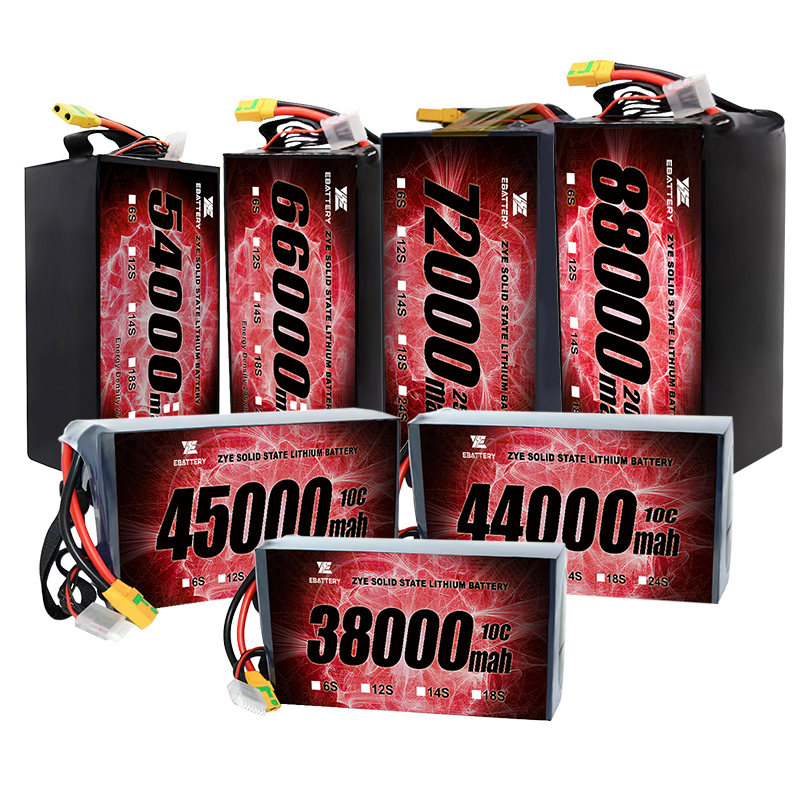
Why are solid state drone batteries better?
What Exactly is a Solid-State Battery?
To understand the "why," we first need to look at the "what." Traditional drone batteries use a liquid electrolyte to move energy back and forth. Think of it like a sponge soaked in a flammable chemical.
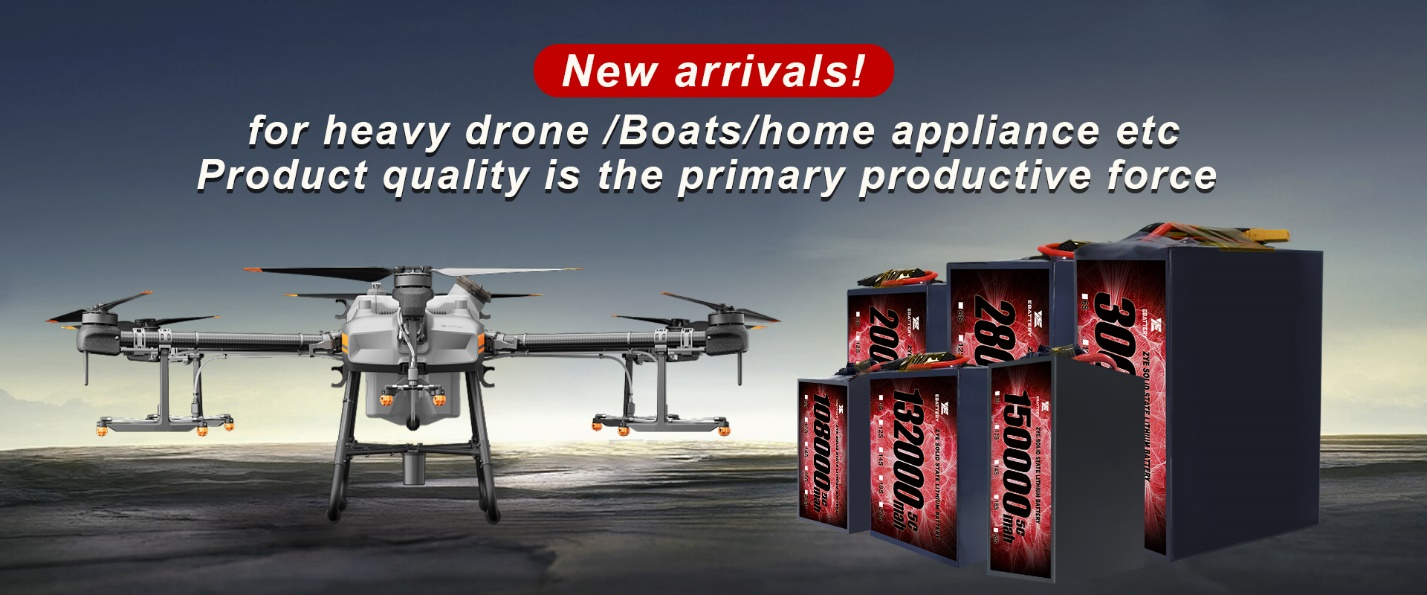
Solid-state batteries replace that liquid "sponge" with a solid material—usually ceramic, glass, or specialized polymers. It sounds like a small change, but it’s the equivalent of upgrading from a floppy disk to a high-speed SSD.
1. Incredible Energy Density (More Minutes in the Air)
The Holy Grail of drone operation is flight time. Solid-state technology offers a much higher energy density than traditional batteries.
Because the solid electrolyte is thinner and lighter than the liquid setup, manufacturers can pack more "juice" into the same footprint. For a commercial pilot, this doesn't just mean 5 extra minutes; it often means a 30% to 50% increase in endurance. This allows for longer mapping missions, deeper inspections, and fewer "pit stops" to swap packs.
2. Enhanced Safety: No More "Fire Anxiety"
If you’ve spent any time in the drone world, you know the inherent risks of LiPo batteries. A punctured or overheated liquid battery can lead to thermal runaway—a fancy term for a fire that is nearly impossible to put out.
Solid-state batteries are non-flammable. Since there is no liquid to leak or ignite, the risk of fire during a crash or high-intensity discharge is virtually eliminated. This makes them significantly safer for indoor inspections, transport on planes, and operations in high-temperature environments.
3. Faster Charging Cycles
We’ve all been there: waiting hours for a bank of batteries to charge while the "golden hour" light disappears.
Solid-state chemistry allows for much faster ion movement without the risk of "dendrites" (tiny metallic spikes that grow inside liquid batteries and cause shorts). This means you can fast-charge these packs at much higher rates without degrading the battery’s lifespan. Imagine fully topping off a heavy-lift drone battery in the time it takes to grab a cup of coffee.
4. Performance in Extreme Weather
Traditional batteries hate the cold. If you’ve flown in sub-zero temperatures, you’ve seen your percentage drop like a stone. Liquid electrolytes become viscous and "sluggish" in the cold.
Solid-state materials maintain their integrity and conductivity across a much wider temperature range. Whether you are flying a search-and-rescue mission in the snow or inspecting a solar farm in the desert heat, these batteries provide consistent power delivery where traditional packs would fail.
Why Isn't Everyone Using Them Yet?
If they are so much better, why are they still "the future" rather than "the now"?
Manufacturing Costs: Currently, producing solid-state cells at scale is more expensive than the decades-old Li-ion process.
Mass Adoption: We are in the "early adopter" phase. Major drone manufacturers are currently integrating these into high-end enterprise platforms before they trickle down to consumer drones.
The Verdict: A Game-Changer for Professionals
For the casual hobbyist, traditional LiPos are still fine. But for the enterprise operator, solid-state is a total pivot point. The combination of increased safety, longer mission windows, and durability in harsh environments means a better Return on Investment (ROI) for every flight.
The "solid-state revolution" isn't just about better batteries; it’s about unlocking what drones were always meant to do: stay in the air longer and work harder without the constant fear of a power failure.
Send Inquiry



X
We use cookies to offer you a better browsing experience, analyze site traffic and personalize content. By using this site, you agree to our use of cookies.
Privacy Policy
News
 How to build a drone lipo battery pack?2025/08/28