English
 Español
  Português
  русский
  Français
  日本語
日本語  Deutsch
  tiếng Việt
  Italiano
  Nederlands
  ภาษาไทย
  Polski
  한국어
한국어  Svenska
  magyar
  Malay
Malay  বাংলা ভাষার
  Dansk
Dansk  Suomi
Suomi  हिन्दी
  Pilipino
  Türkçe
  Gaeilge
  العربية
  Indonesia
  Norsk
Norsk  تمل
تمل  český
český  ελληνικά
  український
  Javanese
  فارسی
فارسی  தமிழ்
தமிழ்  తెలుగు
  नेपाली
  Burmese
  български
  ລາວ
ລາວ  Latine
  Қазақша
  Euskal
  Azərbaycan
  Slovenský jazyk
  Македонски
  Lietuvos
  Eesti Keel
  Română
  Slovenski
  मराठी
मराठी  Srpski језик

Call Us
+86-15768259626
Email Us
coco@zyepower.com

Best Ways to Extend Your Drone’s Battery Life
Drones have become incredibly popular for everything from aerial photography and videography to recreational flying and professional inspections. However, one of the biggest limitations faced by drone enthusiasts and professionals alike is battery life. Most consumer drones offer flight times ranging from 10 to 30 minutes, which can be frustrating when you want to capture longer footage or cover more ground.
Extending your drone’s battery life is crucial not only for maximizing flight time but also for ensuring safer and more efficient operations. In this article, we’ll explore the best practices and tips that will help you get the most out of your drone’s battery and enjoy longer flights.
Understand Your Drone Battery Type
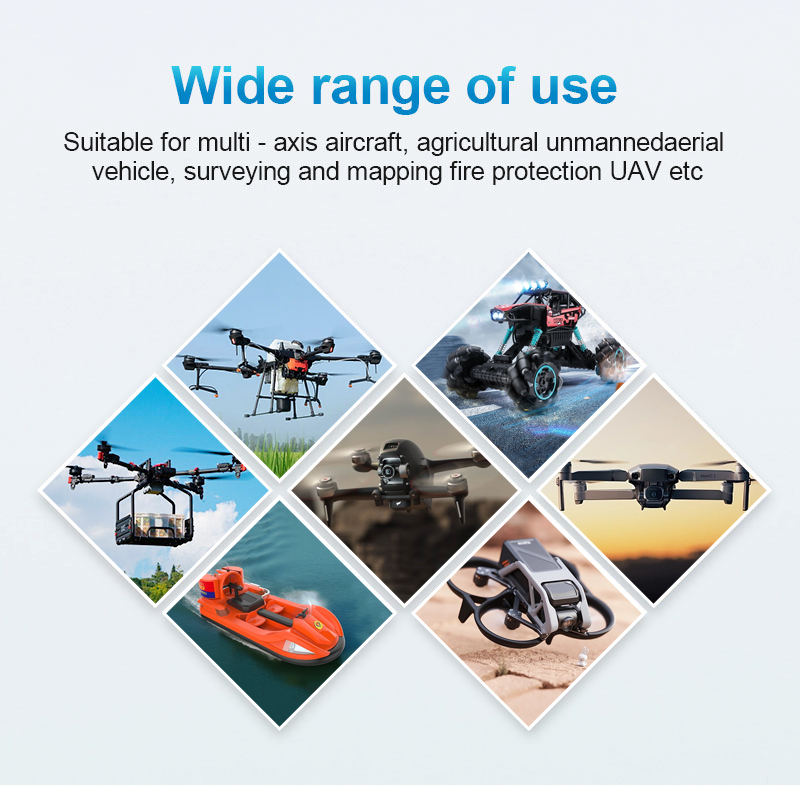
Before diving into tips for extending battery life, it’s important to understand the type of battery your drone uses. Most drones use solid state batteries due to their high energy density and lightweight design. Solid state batteries deliver excellent power, but they require careful handling to preserve longevity and performance.
Key Characteristics of Solid State Batteries
High discharge rates: Allows for powerful bursts needed for flight.
Sensitive to temperature: Performance can decrease in extreme cold or heat.
Requires proper charging: Overcharging or undercharging can degrade lifespan.
Storage considerations: Needs to be stored at optimal charge levels, ideally around 50% for long-term storage.
Battery Maintenance Tips
Store Batteries Properly
If you’re not using your drone regularly, proper storage is critical:
Store solid state batteries at around 50% charge—fully charged or fully drained batteries degrade faster.
Keep them in a cool, dry place away from direct sunlight.
Use fireproof storage bags designed specifically for LiPo batteries.
Check battery voltage every few weeks during storage and recharge if necessary to maintain safe levels.
Upgrade Considerations
Invest in Higher Capacity Batteries
If your drone model supports it, consider buying higher-capacity batteries (measured in mAh). These provide longer flight times but may add weight—so balance capacity with payload limits carefully.
Balance Your Battery Cells
Battery cells within a pack can become unbalanced over time, causing uneven discharge rates that reduce overall performance. Use a balance charger regularly as recommended by manufacturers to ensure all cells are charged evenly.
Avoid Deep Discharges
Try not to use your drone until the battery is completely drained during flights. Most drones have low voltage cutoffs that prevent deep discharges, but forcing extended flights beyond recommended limits stresses the cells. Land when the warning appears to prolong cell health.
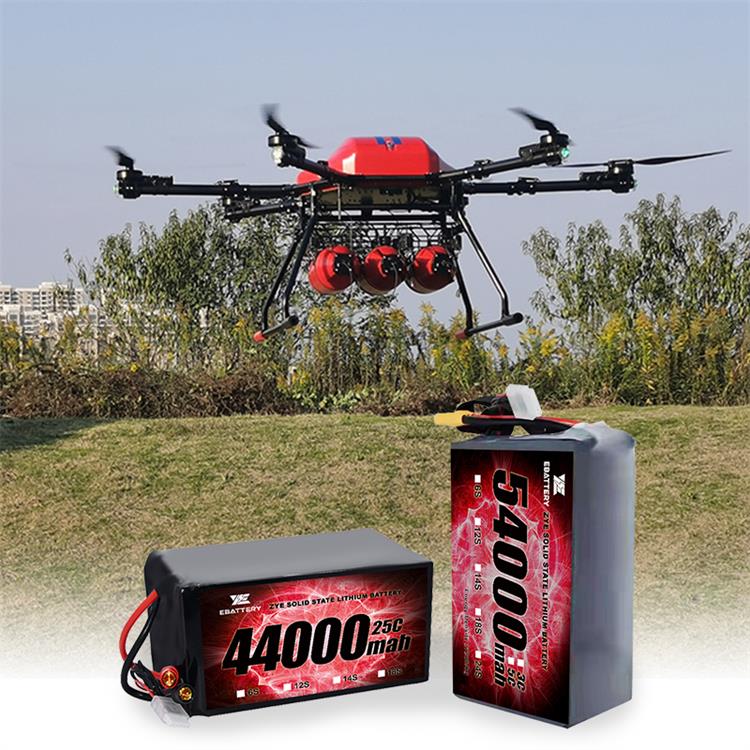
Summary: Best Practices Recap
To maximize your drone’s battery life effectively:
Understand solid state battery characteristics; handle charging and storage carefully.
Warm up batteries before use; avoid extreme temperatures.
Use eco-friendly flight modes; avoid aggressive flying patterns.
Limit payload weight; use lightweight components where possible.
Fly in mild weather conditions; avoid wind and extreme temperatures.
Maintain line of sight and stay within range to reduce transmission power draw.
Store batteries at proper charge levels with balanced cells.
Avoid deep discharges; land as soon as warnings appear.
Consider investing in higher-capacity batteries or carrying multiple packs for long sessions.
Send Inquiry



X
We use cookies to offer you a better browsing experience, analyze site traffic and personalize content. By using this site, you agree to our use of cookies.
Privacy Policy
News
 How to build a drone lipo battery pack?2025/08/28