English
 Español
  Português
  русский
  Français
  日本語
日本語  Deutsch
  tiếng Việt
  Italiano
  Nederlands
  ภาษาไทย
  Polski
  한국어
한국어  Svenska
  magyar
  Malay
Malay  বাংলা ভাষার
  Dansk
Dansk  Suomi
Suomi  हिन्दी
  Pilipino
  Türkçe
  Gaeilge
  العربية
  Indonesia
  Norsk
Norsk  تمل
تمل  český
český  ελληνικά
  український
  Javanese
  فارسی
فارسی  தமிழ்
தமிழ்  తెలుగు
  नेपाली
  Burmese
  български
  ລາວ
ລາວ  Latine
  Қазақша
  Euskal
  Azərbaycan
  Slovenský jazyk
  Македонски
  Lietuvos
  Eesti Keel
  Română
  Slovenski
  मराठी
मराठी  Srpski језик

Call Us
+86-15768259626
Email Us
coco@zyepower.com

How to Manage and Maintain Solid State Batteries on Drones?
The market is quickly moving away from traditional LiPo and Li-ion battery systems as commercial, industrial, and enterprise-grade UAVs require increased endurance, enhanced safety, broader temperature tolerance, and greater dependability.
Solid state batteries on drones have gained attention as the next generation of high-performance aerial power systems as a result of this shift.
Compared to conventional chemistries, solid-state batteries offer greater energy density, a longer cycle life, and better thermal stability.
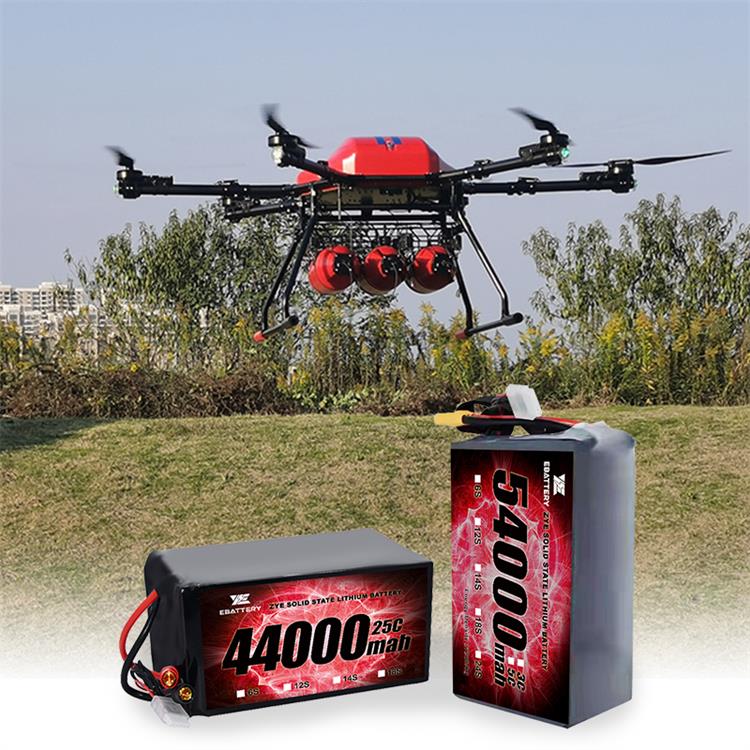
But without appropriate management, monitoring, and maintenance, even the most sophisticated solid-state battery cannot function at its best.
The battery’s predicted lifespan—or early failure—is determined by a number of factors, including temperature, charging method, discharge patterns, storage conditions, and most importantly, an advanced Battery Management System (BMS).
What Are Solid-State Drone Batteries?
Solid-state drone batteries are sophisticated lithium-based batteries that use solid electrolytes like sulfide, oxide, or polymer materials in place of the conventional liquid or gel electrolyte.
Tighter cell packing is made possible by this solid electrolyte, which also reduces the risk of thermal runaway and stops internal leakage.
Key characteristics include:
Higher Energy Density – often 30–50% greater potentials than contemporary liquid-electrolyte systems.
Excellent Thermal Stability – enhanced safety and performance in extreme heat or cold.
Longer Cycle Lifespan – many designs can exceed 1,000+ cycles with less capacity decay.
Reduced Fire Risk – no flammable liquid electrolyte significantly improves UAV operational safety.
These qualities make solid state batteries on drones ideal for high-demand aerial platforms, such as delivery drones, emergency-response systems, and long-endurance inspection drones.
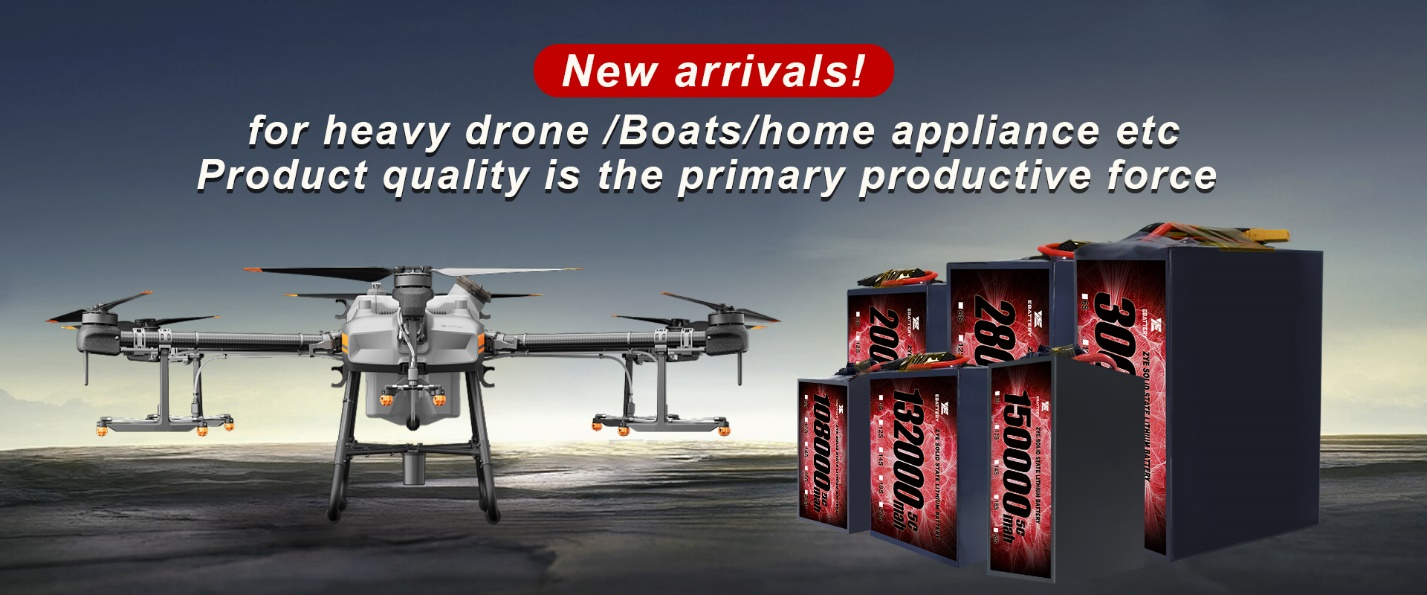
What Types of Drone Batteries Exist Today?
Comparing the various battery types is essential to comprehending the significance of solid-state technology.
1. LiPo (Lithium Polymer) Batteries
High discharge rate
Lightweight
Widely used in hobby-grade and consumer drones
Downsides: swelling, fire risk, shorter cycle life
2. Li-ion (Cylindrical / Pouch) Batteries
Higher energy density than LiPo
Better longevity
Downsides: lower discharge rates, risk of thermal runaway
3. Solid-State Batteries
Highest potential energy density
Long cycle life
Superior stability and safety
Currently higher cost but rapidly decreasing
Solid state batteries on drones offer the finest combination of durability, safety, and long-term cost effectiveness among these choices, particularly for business aviation operations.
Why Do We Need Solid-State Drone Batteries?
The drone industry has benefited from LiPo and Li-ion technology for more than ten years, but as UAV duties get more complex, their limitations have become more apparent.
1. Limited Flight Time
Long flying times cannot be supported by liquid-electrolyte batteries without adding weight and volume.
2. Safety Risks
For LiPo packs, swelling, punctures, fire, and thermal runaway continue to be serious risks.
3. Short Lifespan
LiPo batteries degrade noticeably after 150–300 cycles, raising operational costs.
4. Temperature Sensitivity
Extreme cold reduces capacity; extreme heat accelerates degradation.
5. Slow Charging Rates for Endurance Drones
LiPo/Li-ion cells heat up quickly during rapid charging, which is a problem for industrial drones.
All five restrictions are addressed by solid-state technology, enabling UAV pilots to safely test performance limits.
Send Inquiry



X
We use cookies to offer you a better browsing experience, analyze site traffic and personalize content. By using this site, you agree to our use of cookies.
Privacy Policy
News
 How to build a drone lipo battery pack?2025/08/28