English
 Español
  Português
  русский
  Français
  日本語
日本語  Deutsch
  tiếng Việt
  Italiano
  Nederlands
  ภาษาไทย
  Polski
  한국어
한국어  Svenska
  magyar
  Malay
Malay  বাংলা ভাষার
  Dansk
Dansk  Suomi
Suomi  हिन्दी
  Pilipino
  Türkçe
  Gaeilge
  العربية
  Indonesia
  Norsk
Norsk  تمل
تمل  český
český  ελληνικά
  український
  Javanese
  فارسی
فارسی  தமிழ்
தமிழ்  తెలుగు
  नेपाली
  Burmese
  български
  ລາວ
ລາວ  Latine
  Қазақша
  Euskal
  Azərbaycan
  Slovenský jazyk
  Македонски
  Lietuvos
  Eesti Keel
  Română
  Slovenski
  मराठी
मराठी  Srpski језик

Call Us
+86-15768259626
Email Us
coco@zyepower.com

How Do 3S vs 6S Lipo Batteries Impact FPV Flight Performance?
If you’re new to FPV flying or even a seasoned pilot, you’ve probably stared at a shelf of lipo batteries wondering: what’s the difference between 3S and 6S lipo batteries, and how do they actually affect my FPV flight performance? Let’s cut to the chase—this isn’t just a “bigger is better” debate. The battery you choose directly impacts speed, acceleration, flight time, and even how your drone handles tight turns. Today, I’m breaking this down like we’re tuning our drones together—no confusing specs, just real-world FPV insights from ZYEBATTERY, the brand building lipo batteries made for how you fly.
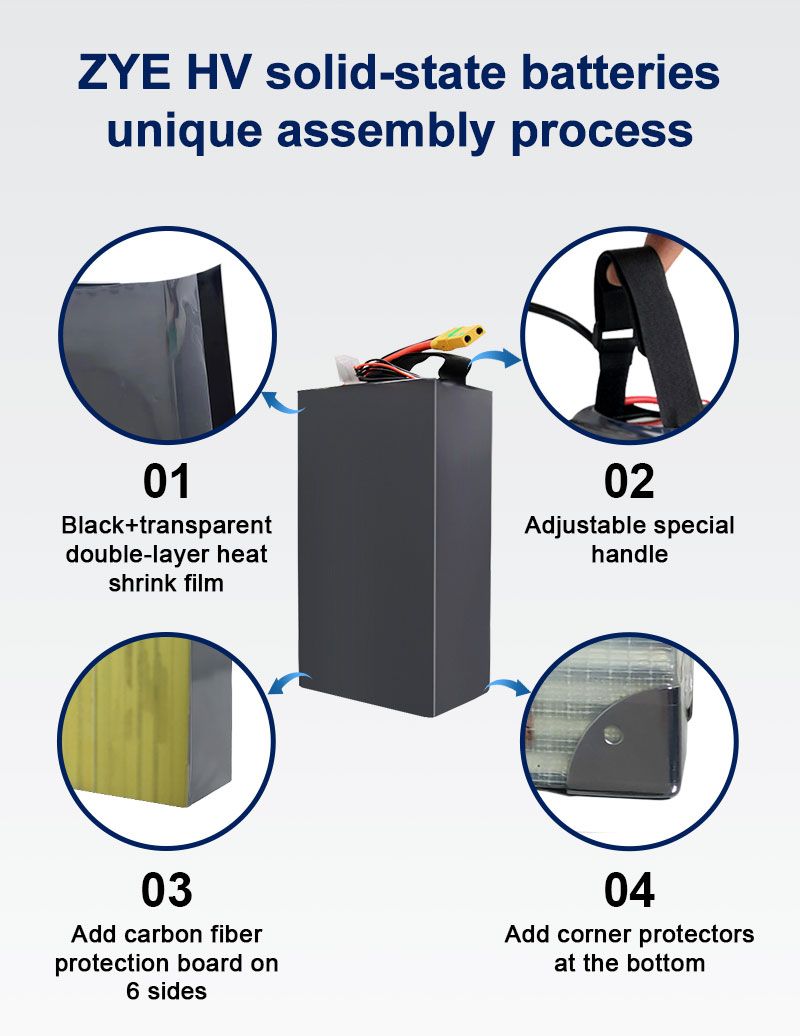
First, let’s get the basics out of the way. The “S” in 3S and 6S stands for cells—3S lipo batteries have 3 lithium cells in series, and 6S have 6. That translates to voltage: 3S hits around 11.1V, while 6S clocks in at 22.2V. Voltage is the secret sauce here because it directly impacts how much power your FPV drone’s motors can pull—and that’s where flight performance comes in. Let’s start with 3S lipo batteries, the go-to for beginners and casual FPV pilots.
3S lipo batteries are the gentle giants of FPV. They’re lighter, more affordable, and deliver smooth, predictable power—perfect if you’re learning to fly or just cruising for fun. When it comes to performance, 3S lipos offer steady acceleration, not the gut-punch speed of 6S, which makes them easier to control for new pilots. They also have longer flight times (usually 15-25 minutes, depending on your drone) because they’re not dumping power as fast. At ZYEBATTERY, our 3S lipo batteries are built for consistency—great for practice flights or casual cruising without breaking the bank.
Now, 6S lipo batteries—these are the speed demons for FPV racers and thrill-seekers. That extra voltage means your motors get more power, faster. We’re talking instant acceleration, top speeds of 80+ mph, and snappier throttle response—exactly what you need to race through courses or pull aggressive maneuvers. But here’s the trade-off: 6S lipos are heavier, have shorter flight times (10-18 minutes), and cost a bit more than 3S. They’re also trickier to control if you’re new—one wrong throttle push and you could be crashing into a tree.
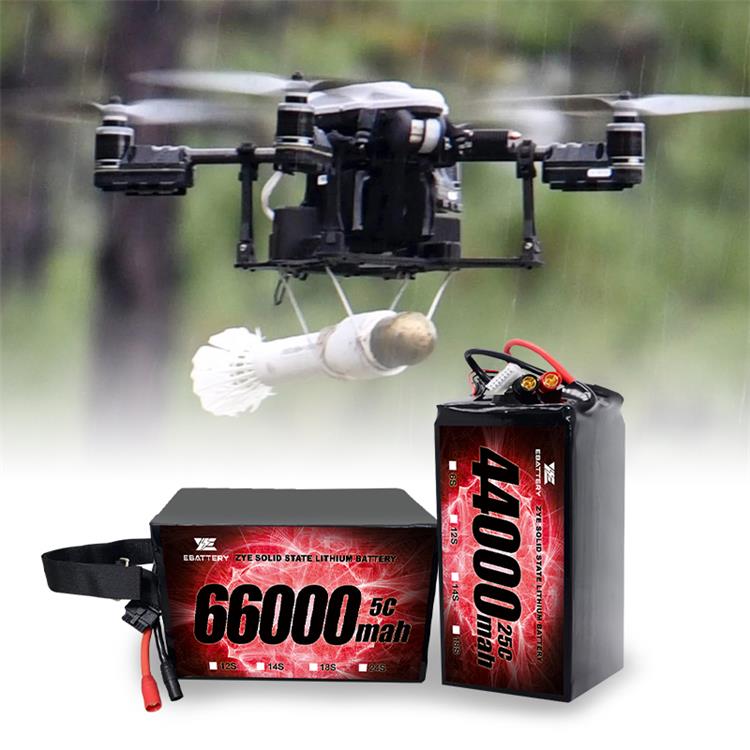
The big question: how do these differences actually impact your flight? If you’re a beginner, 3S lipo batteries will make learning easier—smoother power means less chance of overcorrecting and crashing. If you’re a racer or want that adrenaline rush, 6S lipos are non-negotiable—they give you the speed and responsiveness to compete. At ZYEBATTERY, we make both: our 3S lipos are durable and consistent for beginners, while our 6S lipos have high discharge rates (up to 150C) for maximum speed and performance.
Let’s debunk a myth: 6S isn’t always better. It all depends on your style. If you fly for fun, 3S will give you longer flights and easier control. If you race, 6S is a must. The good news? ZYEBATTERY’s lipo batteries are engineered to make the most of each cell count—our 3S batteries deliver reliable power, and our 6S batteries balance speed with safety, so you don’t have to sacrifice one for the other.
At the end of the day, 3S and 6S lipo batteries impact FPV flight performance in simple ways: 3S = smooth, long flights for beginners; 6S = fast, responsive power for racers. No matter which you choose, ZYEBATTERY has you covered—because we know FPV flying is about fun and performance, and your battery should keep up. Pick the cell count that fits your style, and let your drone do the rest.
Send Inquiry



X
We use cookies to offer you a better browsing experience, analyze site traffic and personalize content. By using this site, you agree to our use of cookies.
Privacy Policy
News
 How to build a drone lipo battery pack?2025/08/28