English
 Español
 Português
 русский
 Français
 日本語
 Deutsch
 tiếng Việt
 Italiano
 Nederlands
 ภาษาไทย
 Polski
 한국어
 Svenska
 magyar
 Malay
 বাংলা ভাষার
 Dansk
 Suomi
 हिन्दी
 Pilipino
 Türkçe
 Gaeilge
 العربية
 Indonesia
 Norsk
 تمل
 český
 ελληνικά
 український
 Javanese
 فارسی
 தமிழ்
 తెలుగు
 नेपाली
 Burmese
 български
 ລາວ
 Latine
 Қазақша
 Euskal
 Azərbaycan
 Slovenský jazyk
 Македонски
 Lietuvos
 Eesti Keel
 Română
 Slovenski
 मराठी
 Srpski језик

Call Us
+86-15768259626
Email Us
coco@zyepower.com

Are solid state batteries flammable?
Are Solid State Batteries Flammable? The Honest Answer for UAV Operators
Much less flammable than LiPo. Not fireproof.
Both halves of that answer matter. Operators who hear only the first half tend to relax their handling procedures. Operators who hear only the second half dismiss a real safety improvement. Here is the accurate picture.
What Actually Burns in a Conventional Battery
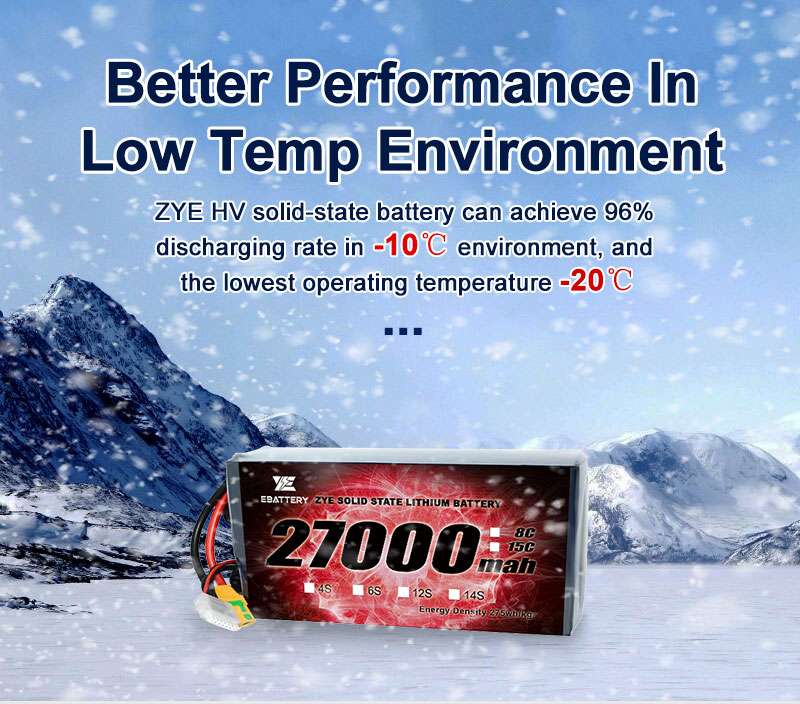
The main fuel in a LiPo battery is its electrolyte. It's an organic solvent, similar in nature to other combustible liquids, and it's present in every cell. When a pack is crushed, overcharged, or overheated, that solvent can vaporize, vent, and ignite. The heat then spreads to neighboring cells, and the fire feeds itself.
Take away that flammable liquid and you remove the largest source of fuel. That is the core safety argument for solid state batteries, and it holds up.
What Solid State Design Removes
In a full solid state cell, the liquid electrolyte is replaced by a ceramic, sulfide, or polymer solid. Ceramic and oxide electrolytes don't burn. With the main fuel gone, the violent, self-feeding fire seen in damaged LiPo packs becomes far less likely, and a failed cell more often just stops working.
That difference is real, and it shows up in post-crash handling, storage risk, and insurance conversations.
What Can Still Burn
Here is where honesty matters, because several materials in a solid state pack are not inert.
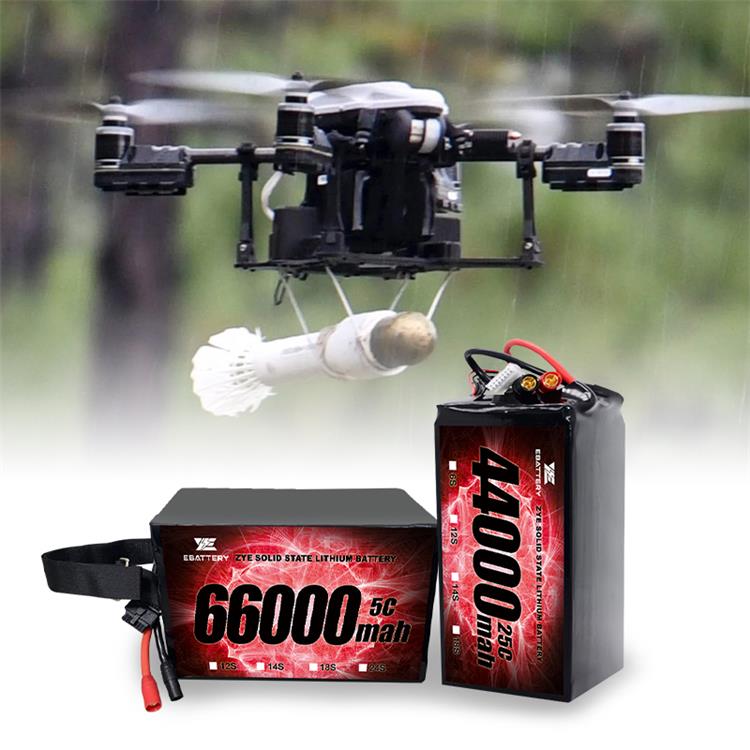
The cathode. Many cathode materials, especially high-nickel types, can release oxygen at high temperatures. That oxygen can support combustion of nearby materials even without a liquid electrolyte.
Lithium metal anodes. Lithium metal is reactive. If a cell is breached and the metal meets air or moisture, or if an internal short heats it, it can burn vigorously.
Polymer and gel electrolytes. Semi solid state batteries still contain organic components. They are safer than liquid LiPo, but they are not non-flammable.
Sulfide electrolytes. These can react with moisture and release hydrogen sulfide, a toxic and flammable gas. Manufacturing and handling controls matter here.
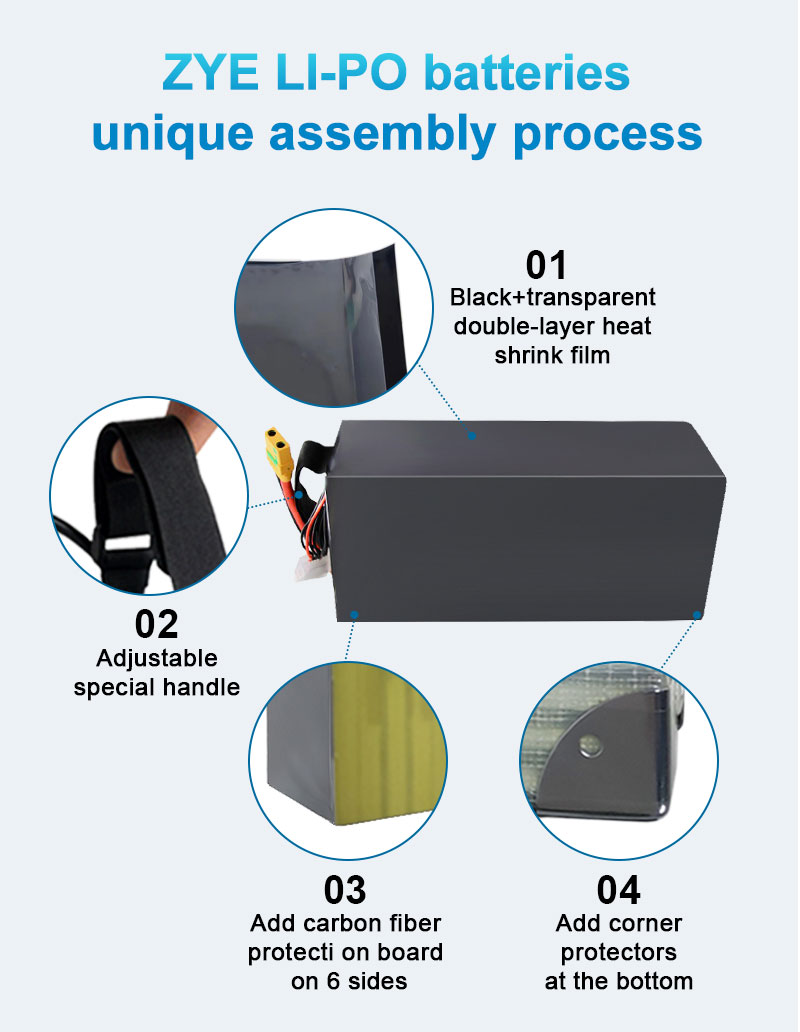
Everything around the cells. Pack housings, wiring insulation, connectors, and the BMS board are made of ordinary materials. A severe electrical fault can still ignite them.
A Spectrum, Not a Switch
It's more useful to think of flammability as a scale. Conventional liquid LiPo sits at the high-risk end. Semi solid state packs sit in the middle. Oxide-based full solid state cells sit at the low end. Sulfide and polymer designs fall in between, depending on the specific formulation and pack construction.
When a supplier says "solid state," the useful follow-up question is which kind.
Practical Handling for UAV Operators
Solid state batteries are still lithium batteries, so keep your safety routine.
Charge on a non-flammable surface, and don't leave packs charging unattended.
Inspect any pack after a hard landing, even if it looks fine.
Store at partial charge in a cool, dry place, away from moisture if the chemistry is sulfide-based.
Keep a fire-resistant bag or container available for damaged packs.
Follow standard lithium battery shipping and disposal rules.
The lower risk gives you more margin. It doesn't replace the procedures.
What to Ask Your Supplier
Request the electrolyte type, third-party abuse test data such as nail penetration, crush, overcharge, and thermal tests, and UN38.3 certification. Results from real abuse testing tell you far more than a general claim that a battery is "safe."
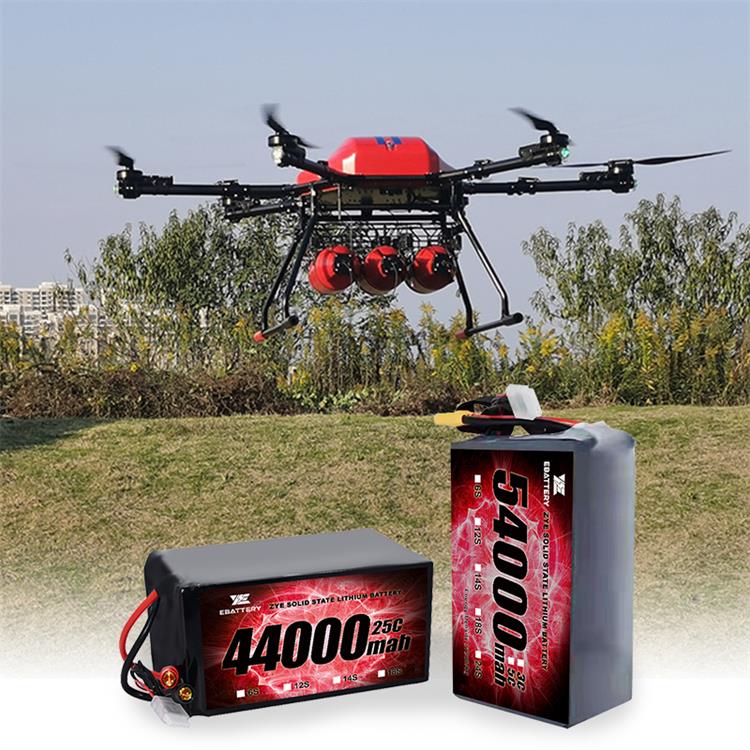
ZYEBATTERY's Approach
ZYEBATTERY develops solid state lithium ion and high-performance lithium polymer UAV batteries with safety documentation that states the chemistry and test conditions plainly. Solid state technology meaningfully lowers fire risk. Knowing exactly how much, and for which design, is what lets you plan around it.
Send Inquiry



X
We use cookies to offer you a better browsing experience, analyze site traffic and personalize content. By using this site, you agree to our use of cookies.
Privacy Policy
News
 Can I charge lipo battery with li-ion charger?2026/11/19
Can I charge lipo battery with li-ion charger?