English
 Español
  Português
  русский
  Français
  日本語
日本語  Deutsch
  tiếng Việt
  Italiano
  Nederlands
  ภาษาไทย
  Polski
  한국어
한국어  Svenska
  magyar
  Malay
Malay  বাংলা ভাষার
  Dansk
Dansk  Suomi
Suomi  हिन्दी
  Pilipino
  Türkçe
  Gaeilge
  العربية
  Indonesia
  Norsk
Norsk  تمل
تمل  český
český  ελληνικά
  український
  Javanese
  فارسی
فارسی  தமிழ்
தமிழ்  తెలుగు
  नेपाली
  Burmese
  български
  ລາວ
ລາວ  Latine
  Қазақша
  Euskal
  Azərbaycan
  Slovenský jazyk
  Македонски
  Lietuvos
  Eesti Keel
  Română
  Slovenski
  मराठी
मराठी  Srpski језик

Call Us
+86-15768259626
Email Us
coco@zyepower.com

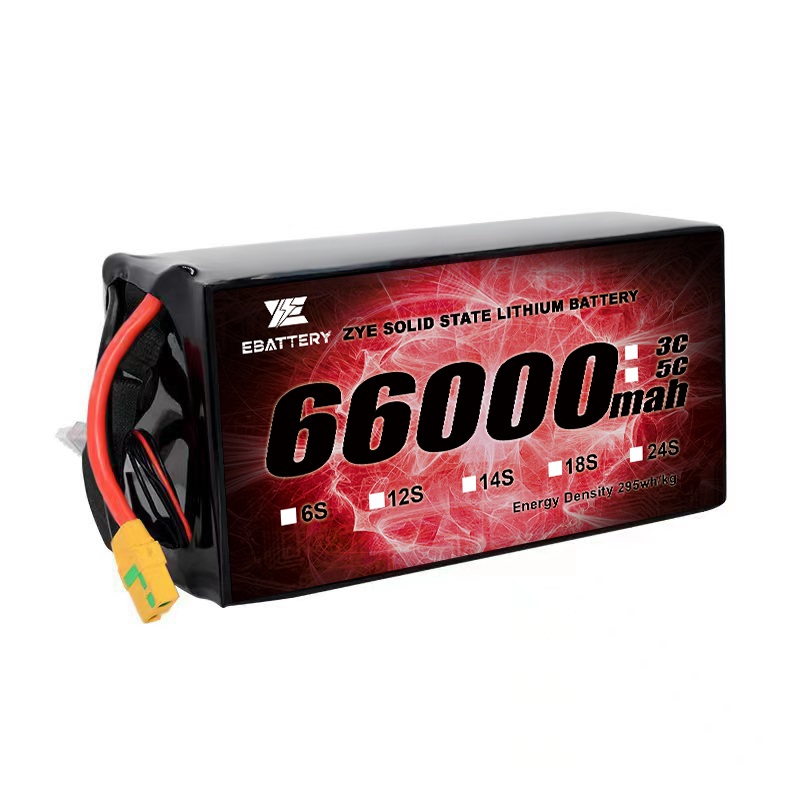
Are High-Energy Solid State Batteries the Future of UAV Power?
If you’ve spent any time flying drones—whether for work or fun—you’ve probably wished for one thing: longer flight times without sacrificing safety or power. For years, lithium polymer (lipo) batteries have been the go-to for UAV power, but they have their limits: they’re prone to swelling, can catch fire if mishandled, and struggle to keep up with the demands of commercial UAV missions.
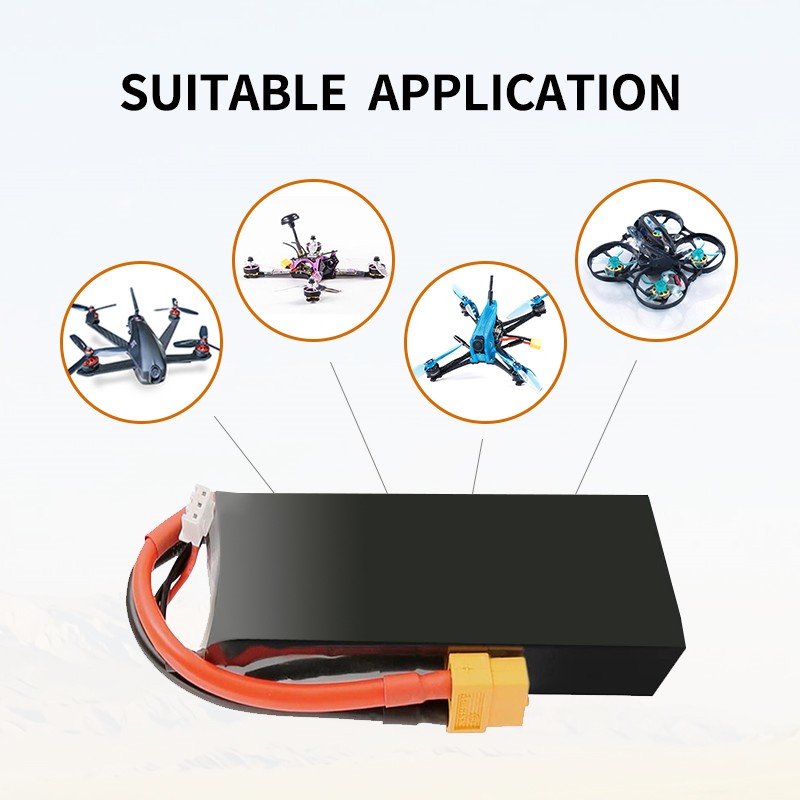
Enter high-energy solid state batteries—a newer technology that’s been generating buzz in the drone world. But are they really the future of UAV power? Today, I’m breaking this down like we’re chatting in a hangar—no tech jargon, just real talk from ZYEBATTERY, the experts building both high-energy solid state and lipo UAV batteries for every kind of pilot.
First, let’s get clear on what makes high-energy solid state UAV batteries different. Unlike lipo batteries, which use flammable liquid electrolytes, high-energy solid state batteries use a solid electrolyte (usually ceramic or polymer) to transfer power. That one change fixes a lot of lipo’s biggest flaws. For starters, they’re way safer—no risk of leakage, swelling, or fires, even if you crash hard or charge them incorrectly. I’ve seen too many pilots panic over a swollen lipo battery, but high-energy solid state batteries eliminate that stress entirely.
The real game-changer, though, is their energy density. High-energy solid state UAV batteries store more power in the same size and weight as lipo batteries. That means longer flight times—we’re talking 25-30% more time in the air, depending on your UAV. For commercial pilots mapping farmland, inspecting power lines, or doing search and rescue, those extra minutes mean finishing missions in one flight instead of two. ZYEBATTERY’s high-energy solid state UAV batteries take this even further, with energy densities that outperform most competitors, making them perfect for long-range, high-demand missions.
Another big win is durability. High-energy solid state UAV batteries have a longer cycle life—meaning you can charge and discharge them more times before they start to degrade. A good lipo battery might last 300-400 cycles, but ZYEBATTERY’s high-energy solid state options can hit 600+ cycles. That saves you money in the long run, since you’re replacing batteries less often. They also handle extreme temperatures better—no more losing power in scorching heat or freezing cold, which is a lifesaver for pilots working in harsh environments.
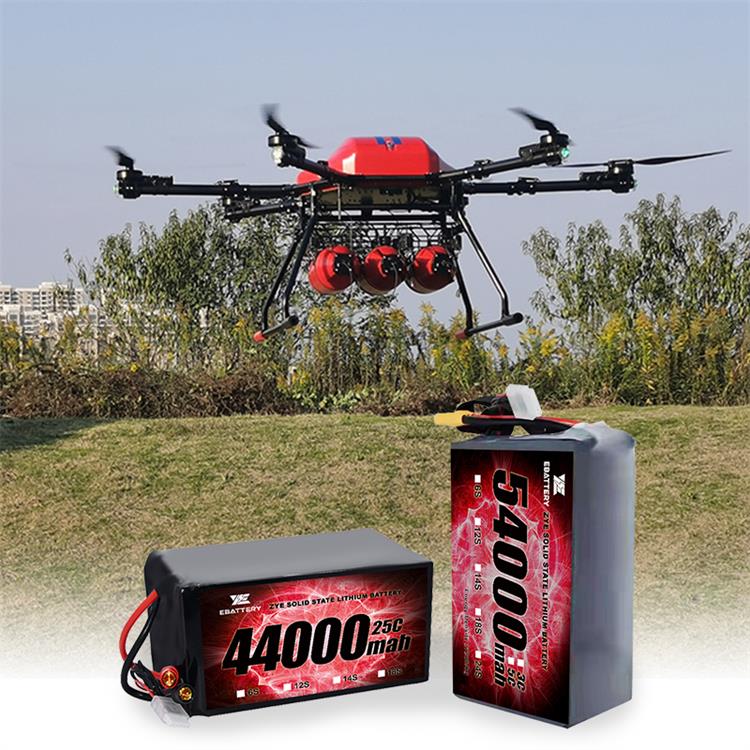
Now, let’s be honest—high-energy solid state UAV batteries aren’t perfect yet. They’re still a bit more expensive than lipo batteries, and while production is ramping up, they’re not as widely available as traditional options. But here’s the thing: technology is evolving fast. ZYEBATTERY is already working to bring down costs, making high-energy solid state batteries more accessible for casual and commercial pilots alike. And when you factor in their longer life, better safety, and longer flight times, the extra upfront cost starts to make sense.
So, are high-energy solid state batteries the future of UAV power? I think the answer is yes—and it’s closer than you might think. As low-altitude economy grows and UAVs become more critical for commercial and industrial work, the demand for safer, more efficient power will only increase. High-energy solid state batteries check all those boxes, and brands like ZYEBATTERY are leading the charge to make them the new standard.
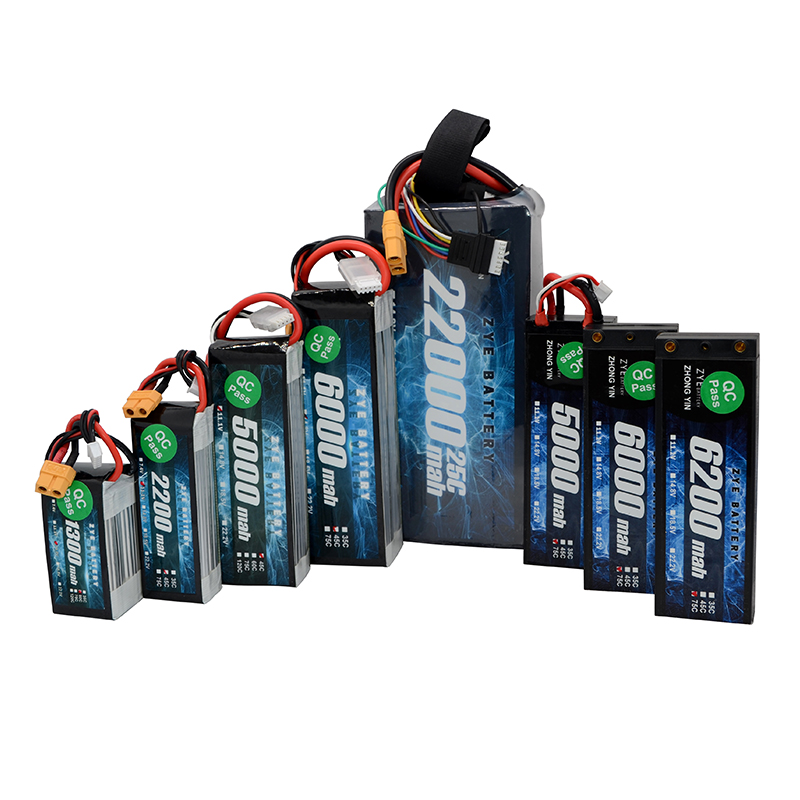
At the end of the day, the future of UAV power is about solving the problems pilots actually face: short flight times, safety risks, and frequent battery replacements. High-energy solid state UAV batteries do exactly that. ZYEBATTERY is proud to be at the forefront of this technology, offering both high-energy solid state and premium lipo solutions to fit every pilot’s needs. The future of UAV power is here—and it’s safer, more efficient, and built to keep you in the air longer.
Send Inquiry



X
We use cookies to offer you a better browsing experience, analyze site traffic and personalize content. By using this site, you agree to our use of cookies.
Privacy Policy
News
 How to build a drone lipo battery pack?2025/08/28