English
 Español
  Português
  русский
  Français
  日本語
日本語  Deutsch
  tiếng Việt
  Italiano
  Nederlands
  ภาษาไทย
  Polski
  한국어
한국어  Svenska
  magyar
  Malay
Malay  বাংলা ভাষার
  Dansk
Dansk  Suomi
Suomi  हिन्दी
  Pilipino
  Türkçe
  Gaeilge
  العربية
  Indonesia
  Norsk
Norsk  تمل
تمل  český
český  ελληνικά
  український
  Javanese
  فارسی
فارسی  தமிழ்
தமிழ்  తెలుగు
  नेपाली
  Burmese
  български
  ລາວ
ລາວ  Latine
  Қазақша
  Euskal
  Azərbaycan
  Slovenský jazyk
  Македонски
  Lietuvos
  Eesti Keel
  Română
  Slovenski
  मराठी
मराठी  Srpski језик

Call Us
+86-15768259626
Email Us
coco@zyepower.com

5 Reasons FPV Drone Battery Performance Drops Fast?
FPV drone battery performance drops fast because these packs are pushed hard, stored badly, or matched poorly to the build. In most cases, the problem is not one single mistake but a mix of heat, high current, and everyday habits that wear the pack down faster than expected.

1. Aggressive throttle use
FPV flying is intense. Hard punch-outs, rapid turns, and constant throttle changes pull heavy current from the battery. That creates voltage sag, which makes the pack feel weaker even when it is not fully empty.
The more often a pilot flies at full throttle, the faster the battery heats up and the faster its performance fades over time. A battery that looks fine on the charger can feel tired in the air if it is used this way every flight.
2. High internal resistance
As a LiPo ages, its internal resistance goes up. When that happens, the battery struggles to deliver current smoothly, and the drone loses punch and top-end speed.
You may notice this as weaker acceleration, shorter flight time, or a pack that comes down hot. Once internal resistance starts climbing, FPV battery performance usually drops fast because the pack has to work harder just to keep the drone airborne.
3. Heat from flying and charging
Heat is one of the biggest reasons an FPV drone battery wears out early. Fast flying creates heat inside the cells, and charging too soon after landing adds even more stress.
If a battery is repeatedly flown hot, then charged while still warm, the chemistry breaks down faster. That shortens usable life and makes the pack sag sooner in each flight. Good cooling habits matter more than many pilots think.
4. Poor storage habits
A LiPo battery does not like being stored fully charged for long periods. It also does not like being left empty. Both habits can damage the cells and reduce performance the next time you fly.
For best results, FPV packs should be stored at a partial charge, not left sitting in a hot car or on a shelf for weeks at full voltage. Bad storage often explains why a battery suddenly feels weak even though it has not been flown much.
5. Wrong battery for the build
Sometimes the battery is not really “bad” — it is just the wrong pack for the drone. A battery that is too small, too heavy, or not built for the current draw of the quad will sag early and lose performance fast.
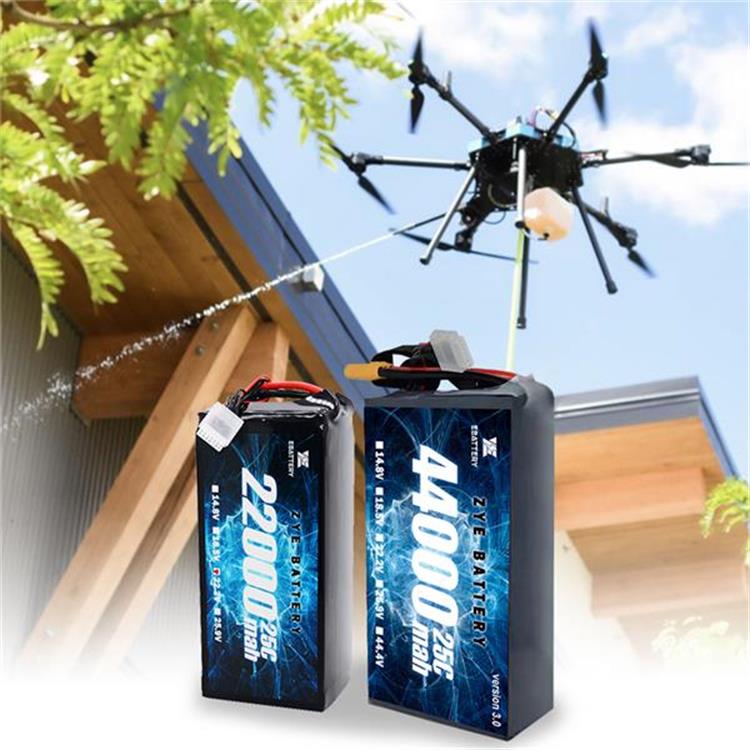
This happens a lot when pilots try to save money with generic packs. If the battery cannot match the motor, prop, and voltage setup, the result is weak acceleration, shorter flight time, and faster wear. In FPV, battery choice has to match the build.
What pilots can do
The good news is that FPV battery performance can be protected with a few simple habits:
Land before the pack is fully drained.
Let the battery cool before charging.
Store LiPo packs at partial charge.
Match battery size and C-rating to the drone’s real current draw.
Replace packs that show swelling, large voltage sag, or unusual heat.
These small steps can make a real difference in how long a pack stays useful.
What this means for ZYEBATTERY
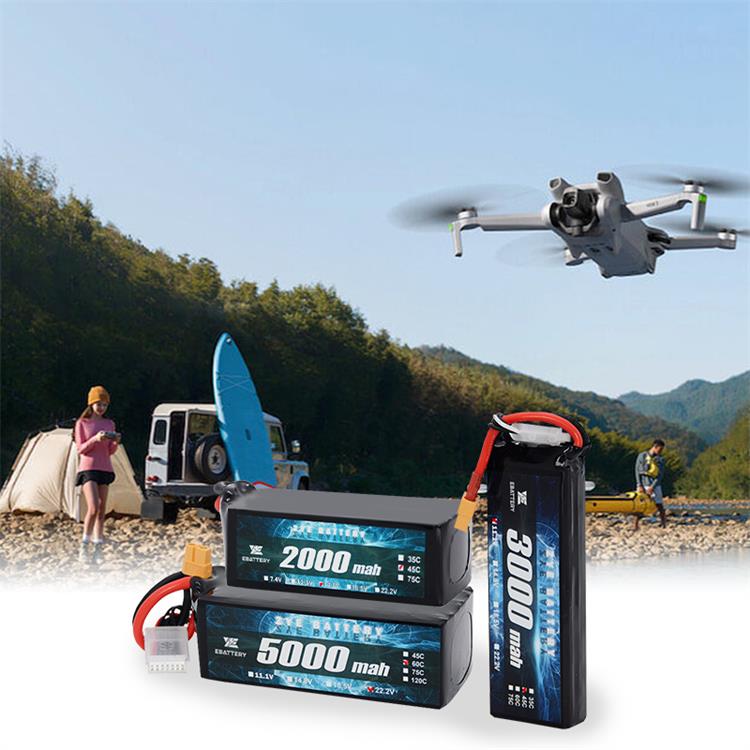
For ZYEBATTERY, the message is straightforward: FPV drone battery performance drops fast when the pack is overloaded, overheated, or poorly maintained. That is why choosing the right LiPo battery matters just as much as how the pilot flies it.
A well-built FPV battery with stable discharge, low internal resistance, and the right capacity for the rig will always perform better over time than a cheap pack that only looks good on paper. That is the kind of battery design serious pilots notice immediately in the air.
Send Inquiry



X
We use cookies to offer you a better browsing experience, analyze site traffic and personalize content. By using this site, you agree to our use of cookies.
Privacy Policy
News
 How to build a drone lipo battery pack?2025/08/28