English
 Español
  Português
  русский
  Français
  日本語
日本語  Deutsch
  tiếng Việt
  Italiano
  Nederlands
  ภาษาไทย
  Polski
  한국어
한국어  Svenska
  magyar
  Malay
Malay  বাংলা ভাষার
  Dansk
Dansk  Suomi
Suomi  हिन्दी
  Pilipino
  Türkçe
  Gaeilge
  العربية
  Indonesia
  Norsk
Norsk  تمل
تمل  český
český  ελληνικά
  український
  Javanese
  فارسی
فارسی  தமிழ்
தமிழ்  తెలుగు
  नेपाली
  Burmese
  български
  ລາວ
ລາວ  Latine
  Қазақша
  Euskal
  Azərbaycan
  Slovenský jazyk
  Македонски
  Lietuvos
  Eesti Keel
  Română
  Slovenski
  मराठी
मराठी  Srpski језик

Call Us
+86-15768259626
Email Us
coco@zyepower.com

Is a Solid State Battery Worth It for Drone Pilots?
A solid state battery is worth it for drone pilots when flight time, safety, and mission reliability matter more than the lowest upfront price. For casual flyers, a good LiPo is still the practical buy, but for serious commercial or endurance-focused pilots, solid state can pay off over time.
When it makes sense
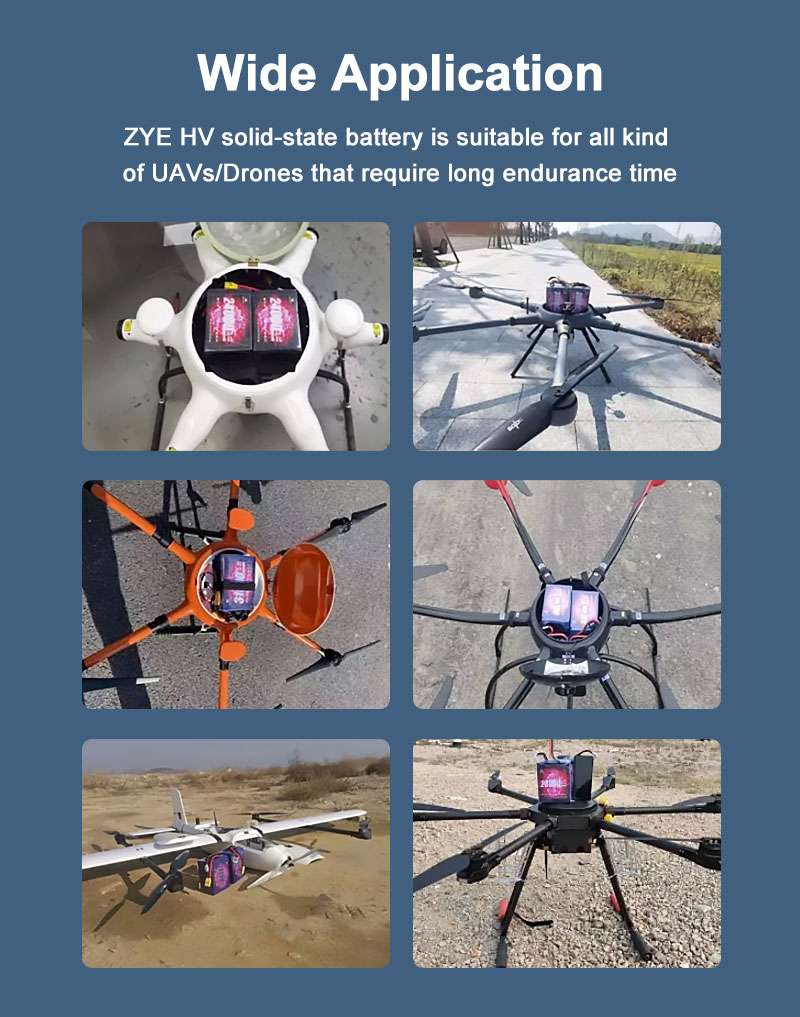
Solid state drone batteries are most useful when you fly long missions, carry valuable payloads, or work in higher-risk environments. Industry reports and technical reviews note their higher energy density, stronger thermal stability, and longer cycle life compared with traditional liquid-electrolyte packs. That matters if a missed flight, a battery fire, or an early pack replacement costs real money.
Why pilots consider the upgrade
The main reason drone pilots look at solid state is simple: more useful energy in less weight. In recent Chinese production and industry coverage, UAV solid state packs have been described as reaching around 320 Wh/kg in commercial versions, with much higher lab potential. That kind of energy density can translate into longer airtime, better payload margin, and fewer battery swaps during the day.
Safety is the other big reason. Solid state electrolytes are less flammable and less likely to leak, which reduces fire risk and improves thermal stability. For pilots flying over people, assets, or public spaces, that extra margin is worth a lot.
Where the value shows up
A solid state battery is worth it when it helps you do one or more of these things better:
Stay in the air longer without increasing battery weight.
Reduce downtime from battery changes during inspections or mapping missions.
Lower risk when operating in hot, cold, or otherwise harsh environments.
Get more cycles before the pack fades enough to replace it.
If your drone is used for surveying, security, agriculture, or industrial inspection, those gains can add up fast. In that case, the battery’s higher price becomes a business expense rather than just a parts cost.
When LiPo is still the smarter choice
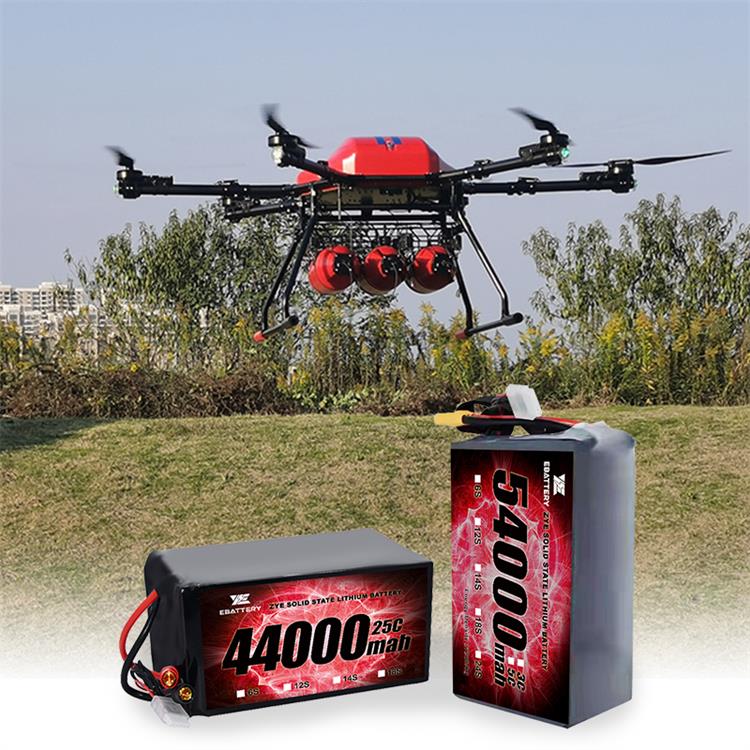
Not every pilot needs solid state. If you fly FPV for fun, crash often, or just want the lowest entry cost, a high-quality LiPo is still easier to justify. LiPo packs are mature, widely available, and usually better for racing-style use where raw burst power matters more than battery life.
That is why many pilots still keep LiPo for freestyle and FPV, while looking at solid state for mapping, inspection, and long-range work.
What ZYEBATTERY should tell buyers
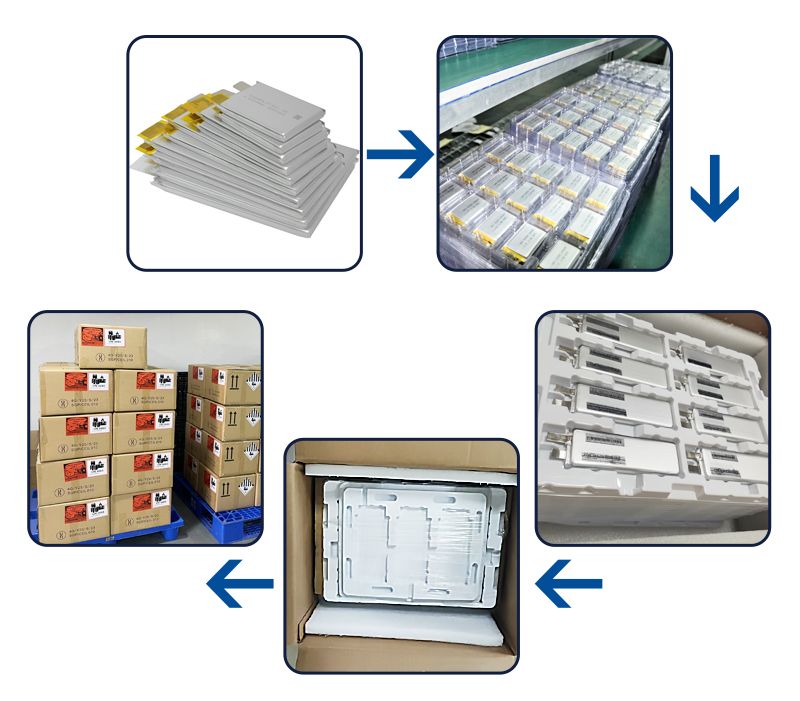
For ZYEBATTERY, the best message is not that solid state is always better. It is that solid state is worth it when the mission demands longer flight time, better safety, and lower total cost of ownership. That is especially true for commercial drone fleets, where every extra minute in the air and every avoided battery failure matters.
A simple way to frame it in the blog is this: LiPo is still the better choice for budget-friendly, high-punch flying, while solid state becomes the smarter investment when the drone is part of a professional workflow.
Send Inquiry



X
We use cookies to offer you a better browsing experience, analyze site traffic and personalize content. By using this site, you agree to our use of cookies.
Privacy Policy
News
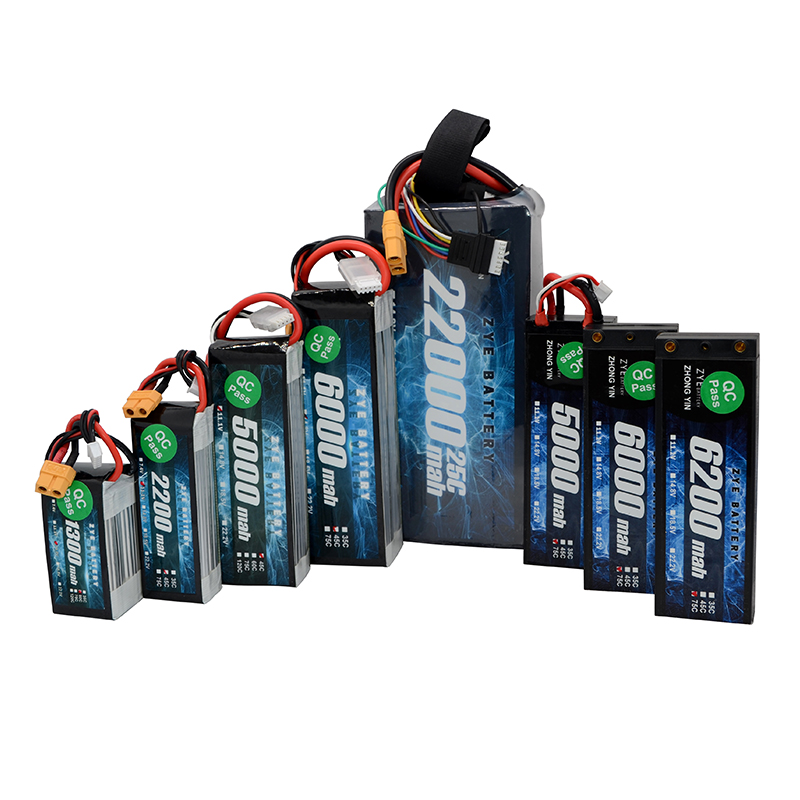 How to build a drone lipo battery pack?2025/08/28