English
 Español
  Português
  русский
  Français
  日本語
日本語  Deutsch
  tiếng Việt
  Italiano
  Nederlands
  ภาษาไทย
  Polski
  한국어
한국어  Svenska
  magyar
  Malay
Malay  বাংলা ভাষার
  Dansk
Dansk  Suomi
Suomi  हिन्दी
  Pilipino
  Türkçe
  Gaeilge
  العربية
  Indonesia
  Norsk
Norsk  تمل
تمل  český
český  ελληνικά
  український
  Javanese
  فارسی
فارسی  தமிழ்
தமிழ்  తెలుగు
  नेपाली
  Burmese
  български
  ລາວ
ລາວ  Latine
  Қазақша
  Euskal
  Azərbaycan
  Slovenský jazyk
  Македонски
  Lietuvos
  Eesti Keel
  Română
  Slovenski
  मराठी
मराठी  Srpski језик

Call Us
+86-15768259626
Email Us
coco@zyepower.com

Solid State Drone Battery Tech: How It Elevates UAV Flight Safety
You’re reviewing footage from a high-value survey mission, or you’re halfway through a critical infrastructure inspection. You land, and your battery is hotter than you’d like. Maybe there’s the slightest hint of swelling. Your mind races: “Is this thing safe to charge? What if it fails next time?”
That low-grade anxiety about your power source is the dirty secret of professional UAV operations. We push batteries to the limit for longer flight times and heavier payloads, but we’re always dancing close to the edge of their physical and chemical limits. The industry’s been begging for a real solution, not just another incremental tweak to lithium-polymer.
Enter solid-state drone battery technology. Honestly, it’s not just another “upgrade.” It’s a fundamental rethinking of the battery’s core architecture, and its biggest win is something we all crave: uncompromising UAV flight safety. Let’s break down why this isn’t just hype.
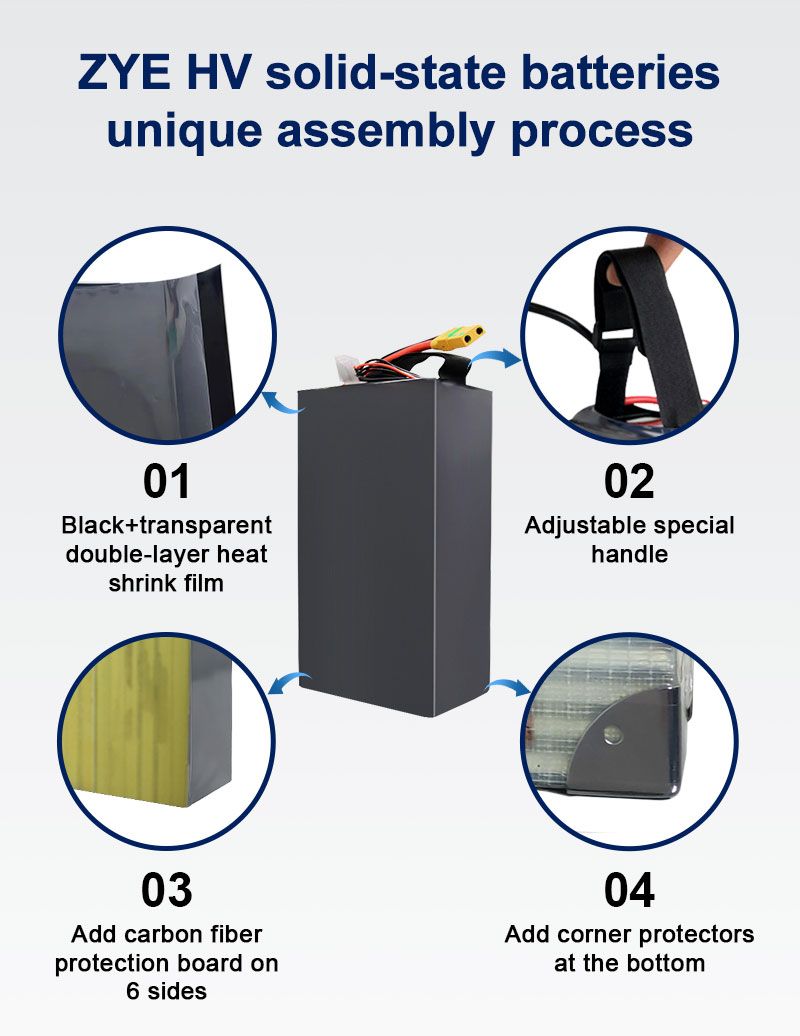
The Core Problem: That Liquid Inside Is a Liability
To get why solid-state is a game-changer, you have to understand the weakness in today’s standard. Traditional LiPo and Li-ion batteries use a liquid or gel electrolyte. This is the medium that lets ions shuttle back and forth. The problem? That liquid is organic and flammable.
When these batteries get damaged—whether from a hard landing, an internal manufacturing flaw, or even just severe overcharging—that liquid electrolyte can break down. It generates gas (causing those dreaded puffy packs), heats up rapidly, and can ignite. Technically, it’s called “thermal runaway.” In the field, we call it a catastrophic failure that can torch your drone, your payload, and whatever’s underneath it.
A solid-state lithium-ion battery rips out that problematic liquid and replaces it with a solid electrolyte. Think of it as swapping out the gasoline in your car’s tank for a solid, inert, fireproof block. That single change is revolutionary for flight safety. No liquid means there’s virtually nothing inside to catch fire or explode, even under extreme duress.
Built to Take a Punch (and the Heat, and the Cold…)
Safety isn’t just about surviving a crash. It’s about predictable, reliable performance in the conditions where we actually fly.
The Puncture Test: Ask any battery engineer about the nail penetration test—it’s the classic safety nightmare. Drive a nail through a traditional cell, and it’s almost guaranteed to go up in flames. Do the same to a true solid-state cell, and the reaction is minimal. There’s no flammable fuel to feed a fire. For operators flying near people, over sensitive environments, or with expensive sensors, this isn’t a lab curiosity; it’s a business-saving feature.
Extreme Environment Stability: That solid electrolyte isn’t fazed by temperature swings like its liquid cousin. It doesn’t thicken and slow down in the cold, causing voltage sag that forces an early landing. It doesn’t become volatile and degrade quickly in scorching desert heat. This stability in extreme environments means consistent power delivery and safe operation from one mission to the next, no matter the weather. Your operational planning gets a whole lot simpler.
Long-Term Trust: Ever noticed how an old LiPo pack sometimes feels like a ticking time bomb? That’s often due to “dendrites”—microscopic lithium spikes that grow over cycles and can pierce internal barriers, causing shorts. The solid electrolyte physically blocks these dendrites from forming. This translates to a battery that not only starts safe but stays safe and reliable over hundreds of cycles.
The Ripple Effect: How Safety Unlocks Performance
Here’s the beautiful part about this tech. By solving the safety problem at the chemistry level, it actually opens doors to better performance.
Because the core is inherently safer, these cells can potentially be charged much, much faster without the risks we associate with fast-charging traditional packs. They also pave the way for higher energy density—the holy grail for longer flight times. Manufacturers can explore new, more energy-rich chemistries that were too dangerous to use with a liquid electrolyte. So, you’re not trading safety for performance; you’re getting both.
So, What’s the Catch? Moving from Promise to Practice
Right now, the “catch” is that widespread, cost-effective availability is still ramping up. But for forward-thinking OEMs and serious commercial operators, the time to engage is now. This isn’t science fiction. Prototypes and early-stage production are here.
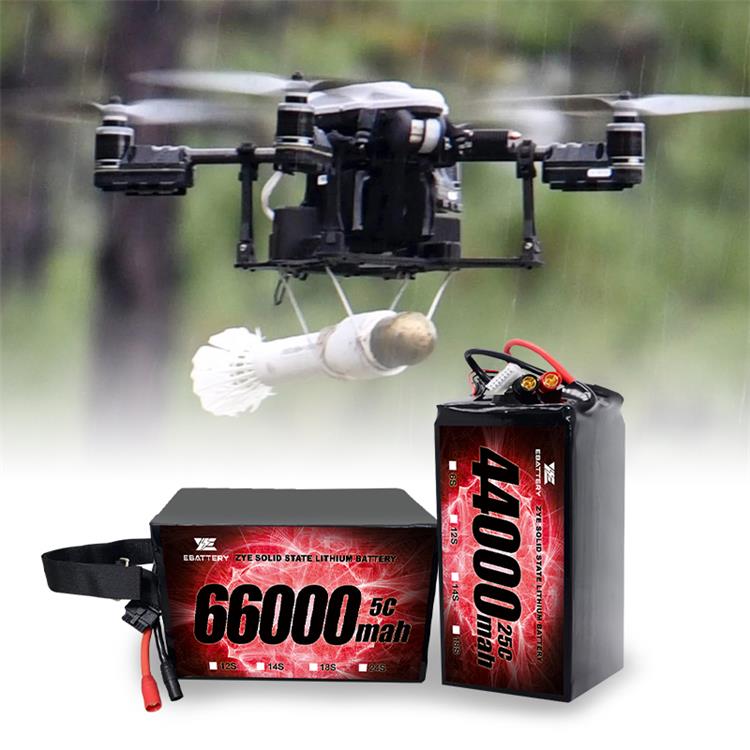
At ZYEBATTERY, we’re not just watching this transition; we’re building it. Our R&D is focused on integrating solid-state lithium-ion cells into practical, high-performance battery packs that meet the rugged demands of industrial and commercial drones. We’re working with partners who see that elevating UAV flight safety is the most powerful feature they can offer their customers.
Investing in this technology today is a strategic decision. It’s about mitigating risk, protecting your capital investment, and building drones that regulators and insurance companies will trust for the most sensitive missions.
The bottom line is this: if your operations depend on reliability and safety as much as they do on flight time, solid-state drone battery technology is no longer a “maybe.” It’s the clear path forward.
Interested in what this next-generation safety and performance looks like for your specific application? Let’s have a real conversation. Our engineering team is ready to discuss integration paths, performance data, and how we can tailor a solid-state solution for your next-generation platform.
Reach out to us at ZYEBATTERY. Let’s build a safer, more reliable foundation for the future of flight, together.
Send Inquiry



X
We use cookies to offer you a better browsing experience, analyze site traffic and personalize content. By using this site, you agree to our use of cookies.
Privacy Policy
News
 How to build a drone lipo battery pack?2025/08/28