English
 Español
  Português
  русский
  Français
  日本語
日本語  Deutsch
  tiếng Việt
  Italiano
  Nederlands
  ภาษาไทย
  Polski
  한국어
한국어  Svenska
  magyar
  Malay
Malay  বাংলা ভাষার
  Dansk
Dansk  Suomi
Suomi  हिन्दी
  Pilipino
  Türkçe
  Gaeilge
  العربية
  Indonesia
  Norsk
Norsk  تمل
تمل  český
český  ελληνικά
  український
  Javanese
  فارسی
فارسی  தமிழ்
தமிழ்  తెలుగు
  नेपाली
  Burmese
  български
  ລາວ
ລາວ  Latine
  Қазақша
  Euskal
  Azərbaycan
  Slovenský jazyk
  Македонски
  Lietuvos
  Eesti Keel
  Română
  Slovenski
  मराठी
मराठी  Srpski језик

Call Us
+86-15768259626
Email Us
coco@zyepower.com

Solid State vs Lipo Drone Battery: Which Has Better Safety & Endurance?
Choosing the right battery can make or break your drone operation. Whether you're flying a commercial delivery route, capturing cinematic aerial footage, or managing a precision agriculture mission, battery performance directly impacts your bottom line. The debate between solid-state and lithium polymer (LiPo) batteries has heated up lately, and for good reason—both technologies offer distinct advantages that matter to serious operators.
Let's cut through the marketing hype and examine what actually separates these two battery types when it comes to safety and endurance.
What Makes LiPo Batteries the Current Standard
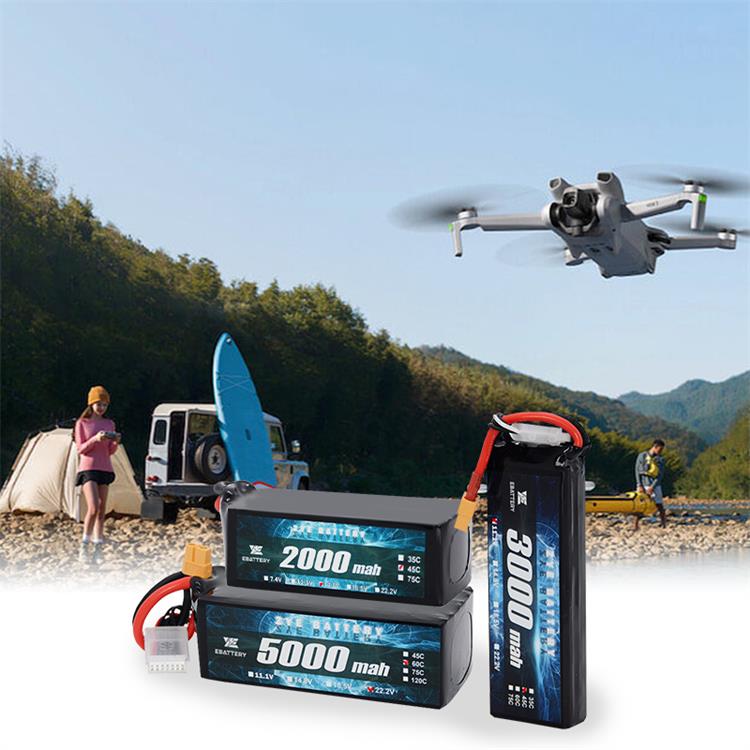
LiPo batteries dominate the drone market because they deliver exceptional power density at a competitive price point. These batteries use a gel-like polymer electrolyte that allows manufacturers to create lightweight, flexible cells in various shapes and sizes.
The real strength of LiPo technology lies in its discharge rate capabilities. High-quality LiPo cells can deliver burst currents exceeding 100C, which translates to incredible acceleration and responsiveness for racing drones and agile commercial platforms. For aerial photography teams working in tight urban environments or industrial operators managing heavy payloads, this power-on-demand characteristic proves invaluable.
However, LiPo batteries require respect. Their liquid electrolyte composition means they're vulnerable to puncture damage, overcharging, and thermal runaway under extreme conditions. Proper storage, charging protocols, and regular inspection become non-negotiable parts of your operational routine.
How Solid-State Technology Changes the Safety Equation
Solid-state batteries replace the liquid or gel electrolyte with a solid ceramic or polymer material. This fundamental shift addresses the biggest safety concern that keeps drone fleet managers awake at night—fire risk.
Think about your most demanding missions. Search and rescue operations in remote locations. Agricultural spraying runs across hundreds of acres. Infrastructure inspections on offshore platforms. These scenarios share a common thread: you cannot afford a battery failure that grounds your operation or, worse, creates a safety incident.
Solid-state cells eliminate the volatile liquid electrolyte that causes LiPo thermal events. They operate safely across wider temperature ranges, from scorching desert heat to freezing mountain conditions. The solid electrolyte also resists dendrite formation—those tiny metallic whiskers that can short-circuit conventional batteries over time.
The durability advantage extends to cycle life too. While premium LiPo batteries might deliver 300-500 charge cycles before capacity drops significantly, solid-state alternatives can push beyond 1,000 cycles while maintaining performance. For commercial operators calculating total cost of ownership, this longevity factor becomes compelling.
Making the Right Choice for Your Operation
So which battery wins? The honest answer depends on your specific requirements.
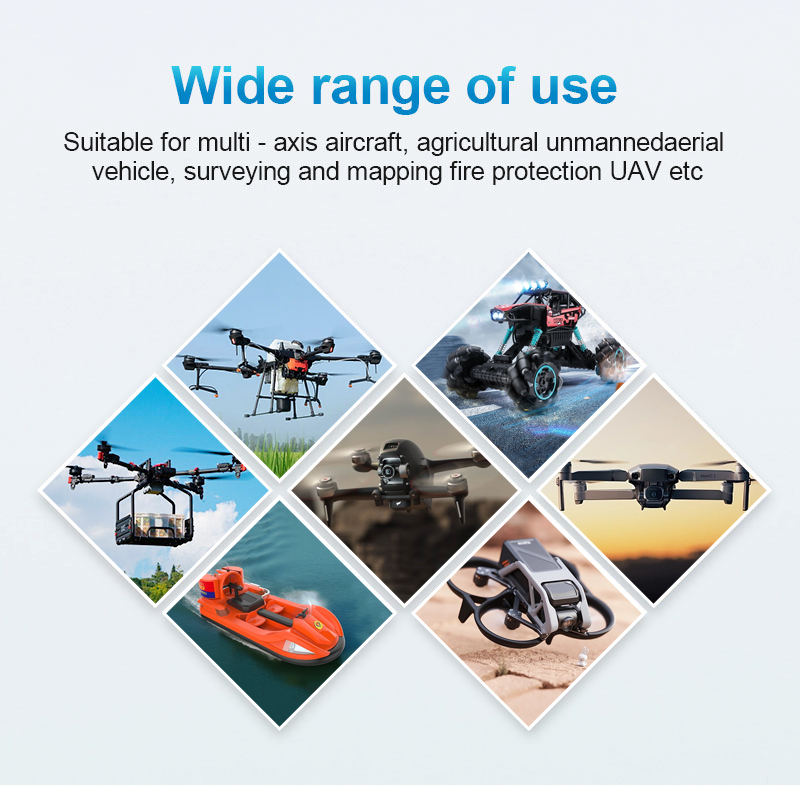
LiPo batteries currently offer superior energy density, which directly translates to longer flight times per charge. If your priority is maximizing endurance for extended mapping missions or long-range inspections, high-quality LiPo cells from manufacturers like ZYEBATTERY—engineered specifically for drone applications—remain the practical choice. Advanced LiPo formulations now include built-in safety features like flame-retardant separators and smart battery management systems that monitor cell health in real time.
Solid-state batteries excel where safety and reliability under harsh conditions matter most. Emergency services, military applications, and operations in extreme environments benefit from their inherent stability. The technology is rapidly maturing, with energy density improvements closing the gap with LiPo performance each year.
Many professional operators are finding that a mixed approach works best. Use LiPo batteries for standard operations where their power delivery and energy density shine, then switch to solid-state cells for high-risk missions or extreme weather conditions.
The battery market continues evolving quickly. Custom solutions that optimize chemistry for specific drone platforms and mission profiles are becoming increasingly accessible. Working with specialized manufacturers who understand both technologies helps you match battery characteristics to your operational demands rather than settling for off-the-shelf compromises.
Send Inquiry



X
We use cookies to offer you a better browsing experience, analyze site traffic and personalize content. By using this site, you agree to our use of cookies.
Privacy Policy
News
 How to build a drone lipo battery pack?2025/08/28