English
 Español
  Português
  русский
  Français
  日本語
日本語  Deutsch
  tiếng Việt
  Italiano
  Nederlands
  ภาษาไทย
  Polski
  한국어
한국어  Svenska
  magyar
  Malay
Malay  বাংলা ভাষার
  Dansk
Dansk  Suomi
Suomi  हिन्दी
  Pilipino
  Türkçe
  Gaeilge
  العربية
  Indonesia
  Norsk
Norsk  تمل
تمل  český
český  ελληνικά
  український
  Javanese
  فارسی
فارسی  தமிழ்
தமிழ்  తెలుగు
  नेपाली
  Burmese
  български
  ລາວ
ລາວ  Latine
  Қазақша
  Euskal
  Azərbaycan
  Slovenský jazyk
  Македонски
  Lietuvos
  Eesti Keel
  Română
  Slovenski
  मराठी
मराठी  Srpski језик

Call Us
+86-15768259626
Email Us
coco@zyepower.com

What’s the Best Lithium Polymer FPV Drone Battery for Extended Flights?
For extended FPV flights, the best lithium polymer battery is one that balances higher capacity with reasonable weight, an appropriate cell count (usually 4S–6S), and an honest C rating matched to your quad and flying style.
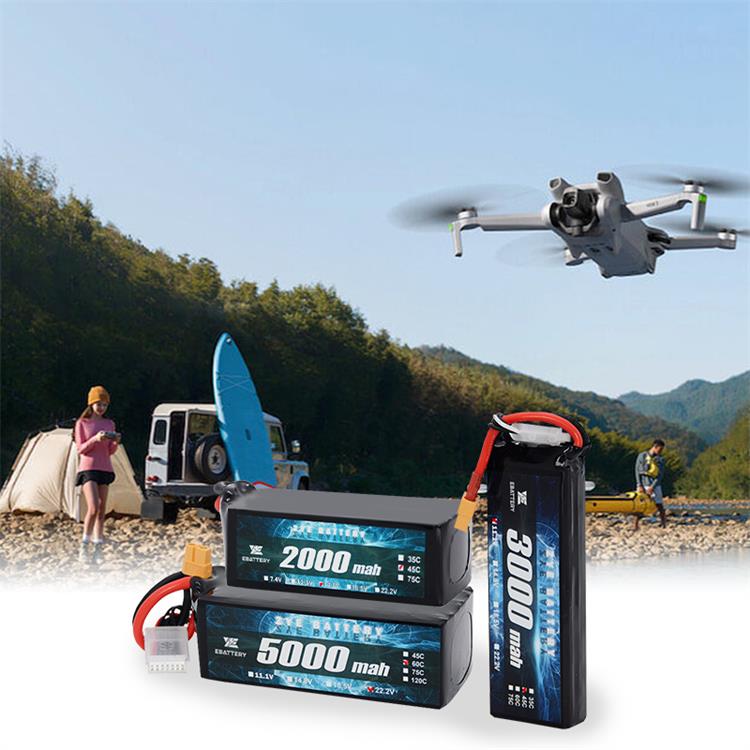
What “Best LiPo FPV Battery” Really Means
When pilots talk about the best lithium polymer FPV drone battery for extended flights, they rarely mean a specific brand; they mean a pack that gives longer flight time without making the quad fly like a brick.
For most 5–10 inch FPV drones, that means a well‑matched LiPo: correct voltage, moderate‑to‑high capacity, and a discharge rating that comfortably covers your peak current draw.
Key Specs That Affect Flight Time
Voltage (cell count): 4S and 6S LiPo packs are the most common for freestyle and long‑range FPV because they offer efficient power delivery with manageable current.
Capacity (mAh): Larger capacity usually increases flight time, but every extra gram hurts efficiency; there is a sweet spot where added mAh still gives more minutes than the weight takes away.
C rating: For extended flights and smooth cruising, you do not need extreme racing‑grade C ratings, but you do need a pack that can supply your typical current without sagging heavily.
Recommended Ranges for Extended FPV Flights
5‑inch freestyle/cinematic: Many pilots get good results with 4S or 6S LiPo packs around 1300–1800 mAh, trading a bit of punch for noticeably longer cruise times.
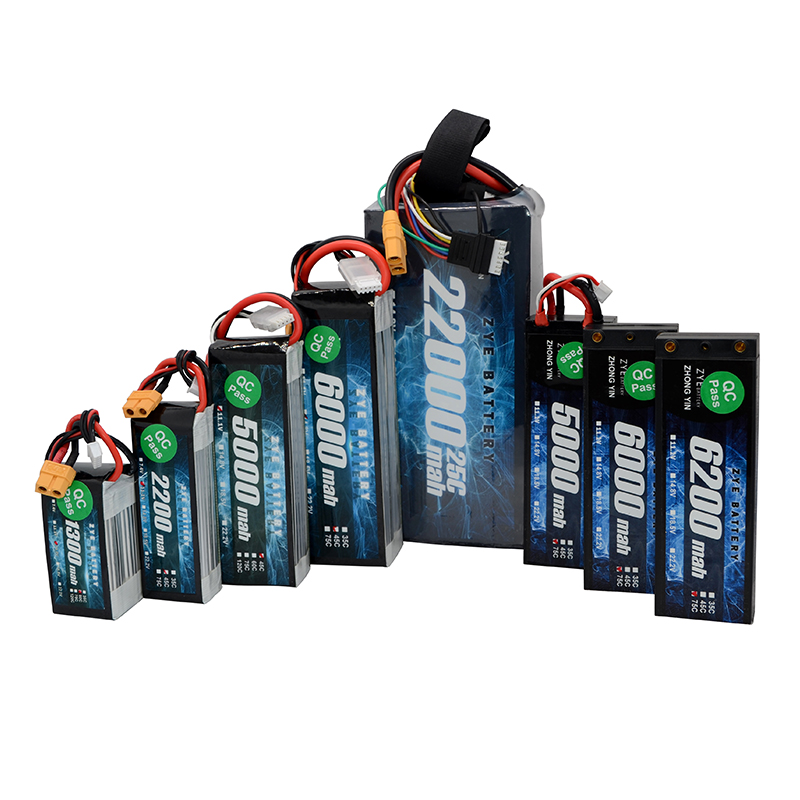
7–10 inch long‑range quads: 6S LiPo packs in the 3000–6200 mAh range are commonly used for 10–20+ minute flights, especially on frames tuned for steady, efficient cruising.
Current and connectors: Larger long‑range builds often use XT60 or XT90 connectors to safely carry the sustained current from higher‑capacity 6S Lipos.
LiPo vs Li‑ion for Long Flights
LiPo FPV batteries remain the go‑to for extended flights when you still need reliable punch for climbs, wind, and emergency maneuvers, because they offer higher discharge rates and lower voltage sag than typical Li‑ion packs.
Li‑ion batteries can outperform LiPo for pure endurance cruising, but many FPV pilots still prefer LiPo for a safer margin of throttle response and better handling under changing loads.
How to Pick the Best Pack for Your Drone
Start from your frame and motors: Check manufacturer recommendations for voltage and maximum weight, then choose a LiPo capacity that keeps total AUW in a practical range for your props.
Test and fine‑tune: If a 6S 4000 mAh pack already gives you enough time, a much heavier 6000 mAh pack may add only a small gain while making the quad sluggish; real‑world test flights will show the true sweet spot.
Send Inquiry



X
We use cookies to offer you a better browsing experience, analyze site traffic and personalize content. By using this site, you agree to our use of cookies.
Privacy Policy
News
 How to build a drone lipo battery pack?2025/08/28