English
 Español
  Português
  русский
  Français
  日本語
日本語  Deutsch
  tiếng Việt
  Italiano
  Nederlands
  ภาษาไทย
  Polski
  한국어
한국어  Svenska
  magyar
  Malay
Malay  বাংলা ভাষার
  Dansk
Dansk  Suomi
Suomi  हिन्दी
  Pilipino
  Türkçe
  Gaeilge
  العربية
  Indonesia
  Norsk
Norsk  تمل
تمل  český
český  ελληνικά
  український
  Javanese
  فارسی
فارسی  தமிழ்
தமிழ்  తెలుగు
  नेपाली
  Burmese
  български
  ລາວ
ລາວ  Latine
  Қазақша
  Euskal
  Azərbaycan
  Slovenský jazyk
  Македонски
  Lietuvos
  Eesti Keel
  Română
  Slovenski
  मराठी
मराठी  Srpski језик

Call Us
+86-15768259626
Email Us
coco@zyepower.com

What Makes Solid State Battery for UAV Safer Than Traditional Lipo Options?
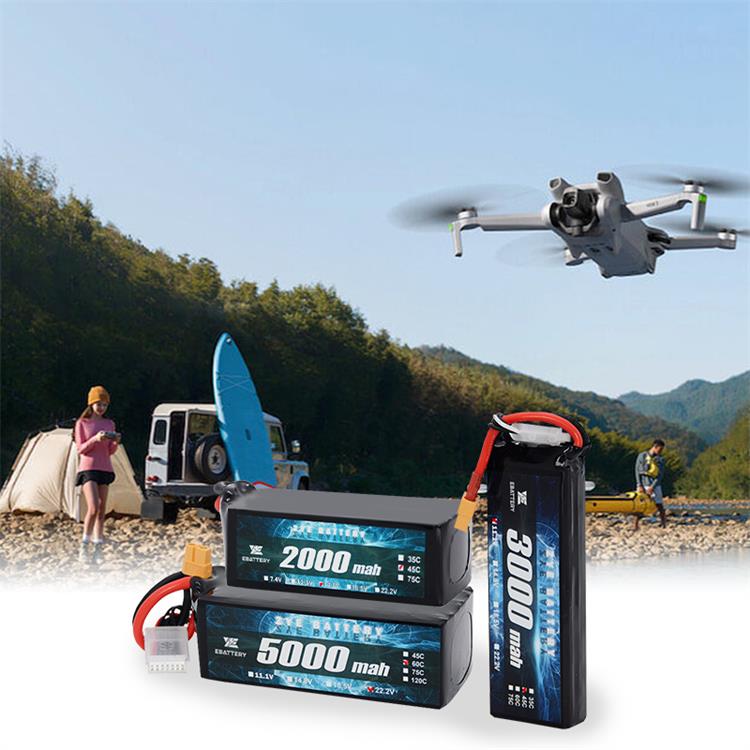
A solid state battery for UAV is safer than a traditional LiPo option mainly because it replaces flammable liquid electrolyte with a stable solid medium, which greatly lowers fire and explosion risk during demanding drone missions. For operators flying over people, assets, or critical infrastructure, this inherently safer structure is becoming a key reason to switch from classic LiPo to solid state or semi‑solid solutions.
Non‑flammable solid electrolyte
In a solid state battery for UAV, the liquid electrolyte found in LiPo packs is replaced by a solid or semi‑solid material that does not contain volatile organic solvents. This solid electrolyte is far less likely to ignite, even when the cell is crushed, punctured, or overheated, which sharply reduces the chance of thermal runaway and fire in flight or during charging.
Traditional LiPo batteries rely on liquid electrolytes that can leak, vaporize, and catch fire if the pack is damaged or abused. In contrast, solid and semi‑solid systems act like a built‑in fire barrier, limiting flame spread between cells inside a UAV battery pack.
Better resistance to overheating and short circuits
One of the main safety advantages of a solid state battery for UAV is its improved thermal stability under load. The solid or semi‑solid electrolyte helps suppress internal short circuits and limits the formation of dendrites, the tiny metal structures that can pierce separators in LiPo packs and trigger sudden failures.
This structure means solid state drone batteries handle higher temperatures and more aggressive operating conditions with a lower risk of runaway heating. For UAV operators, that translates into safer high‑current climbs, hover in hot weather, and rapid recharging between sorties.
Lower leakage and mechanical damage risk
A traditional LiPo pack can leak if the pouch is punctured in a crash or rough landing, spreading flammable liquid and causing corrosion or fire in the aircraft. By contrast, a solid state battery for UAV uses solid materials that do not leak, even when the casing is compromised.
Semi‑solid designs used in many drone packs mix solid and liquid components in a way that improves structural integrity and reduces the chance of electrolyte escape. This is particularly important for industrial UAVs working around sensitive electronics, agriculture chemicals, or inspection equipment where contamination must be avoided.
Longer cycle life, more predictable behavior
Solid state UAV batteries generally offer longer cycle life and more stable capacity over time than standard LiPo packs, which contributes indirectly to safety. A battery that degrades slowly and maintains internal stability is less likely to fail unexpectedly under load or during charging.
This durability helps fleets standardize maintenance intervals and avoid pushing old, weakened LiPo packs beyond safe limits. For SEO and customer education, it is useful to connect phrases like “solid state battery for UAV safety”, “longer cycle life than traditional LiPo”, and “stable performance over many charge cycles” in product and blog content.
Safer for urban and critical‑infrastructure missions
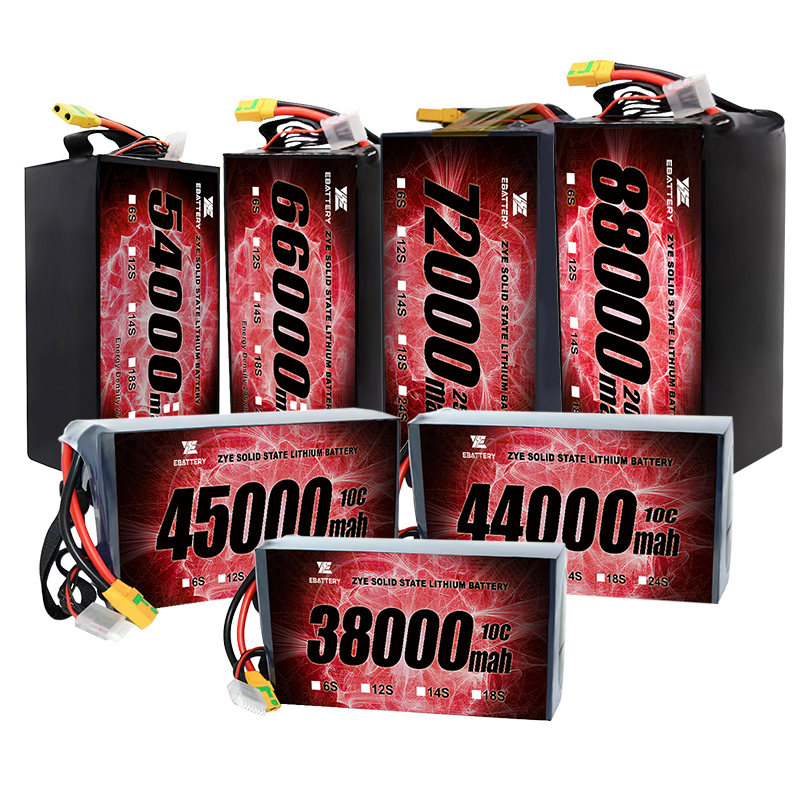
In real‑world use, the biggest difference between a solid state battery for UAV and a traditional LiPo option shows up in high‑risk environments. Non‑flammable electrolytes and stronger resistance to short circuits make solid state drone batteries better suited for flights over cities, power lines, factories, and public events where any battery fire would be unacceptable.
Many industry analyses now highlight enhanced safety as a primary driver for adopting solid state technology in drones, alongside higher energy density and longer flight time. When presenting this topic on an independent site, repeatedly but naturally using terms like “solid state battery for UAV”, “safer than traditional LiPo options”, and “reduced fire risk for drone operations” helps both search ranking and customer understanding.
Send Inquiry



X
We use cookies to offer you a better browsing experience, analyze site traffic and personalize content. By using this site, you agree to our use of cookies.
Privacy Policy
News
 How to build a drone lipo battery pack?2025/08/28