English
 Español
  Português
  русский
  Français
  日本語
日本語  Deutsch
  tiếng Việt
  Italiano
  Nederlands
  ภาษาไทย
  Polski
  한국어
한국어  Svenska
  magyar
  Malay
Malay  বাংলা ভাষার
  Dansk
Dansk  Suomi
Suomi  हिन्दी
  Pilipino
  Türkçe
  Gaeilge
  العربية
  Indonesia
  Norsk
Norsk  تمل
تمل  český
český  ελληνικά
  український
  Javanese
  فارسی
فارسی  தமிழ்
தமிழ்  తెలుగు
  नेपाली
  Burmese
  български
  ລາວ
ລາວ  Latine
  Қазақша
  Euskal
  Azərbaycan
  Slovenský jazyk
  Македонски
  Lietuvos
  Eesti Keel
  Română
  Slovenski
  मराठी
मराठी  Srpski језик

Call Us
+86-15768259626
Email Us
coco@zyepower.com

How to choose solid state battery for drone?
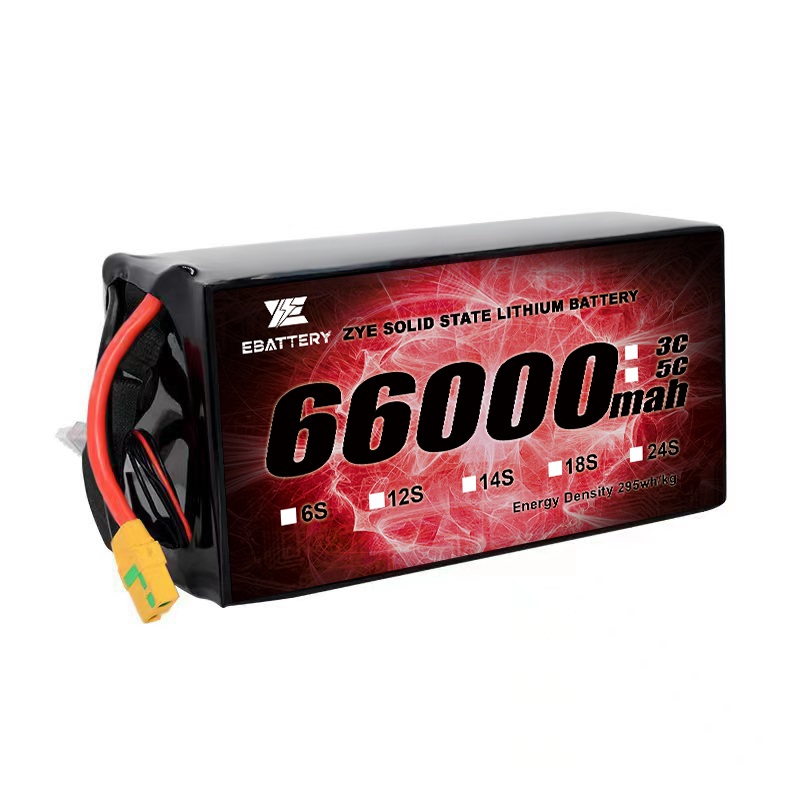
Solid-state batteries are emerging as the next big leap in drone technology. Promising enhanced safety, longer life, and potentially greater power, they are moving from lab prototypes to commercial reality. But with a new technology comes new questions. If you're considering a solid-state battery for your drone, how do you make the right choice?
This guide cuts through the hype and gives you the key, practical factors to evaluate. While the core principles of voltage and capacity remain, selecting a solid-state drone battery requires attention to some different specifics.
1. Verify Core Electrical Specifications: The Non-Negotiables
Just like traditional LiPo batteries, you must start with the basics that match your drone’s power system.
Voltage (Cell Count/S Rating): This is paramount. A solid-state battery must match your drone's voltage requirement. Using a 6S battery on a 4S-rated ESC and motor set will cause immediate damage. Always confirm your drone’s compatible voltage first.
Capacity (mAh): This determines your potential flight time. Don't automatically assume a solid-state pack will have a higher capacity than your current LiPo. Compare the stated mAh rating directly. The advantage may initially be in other areas, like safety or weight.
Continuous Discharge Rate (C-Rating): This defines the battery's ability to deliver power. Ensure the C-rating supports your drone's peak current draw. Use the same formula: Max Amp Draw = Capacity (in Ah) x C-Rating. A high-quality solid-state battery should offer stable, consistent discharge.
2. Prioritize the "Solid-State" Advantages: What You're Actually Buying It For
This is where your evaluation shifts. You're choosing this technology for its unique benefits, so scrutinize them.
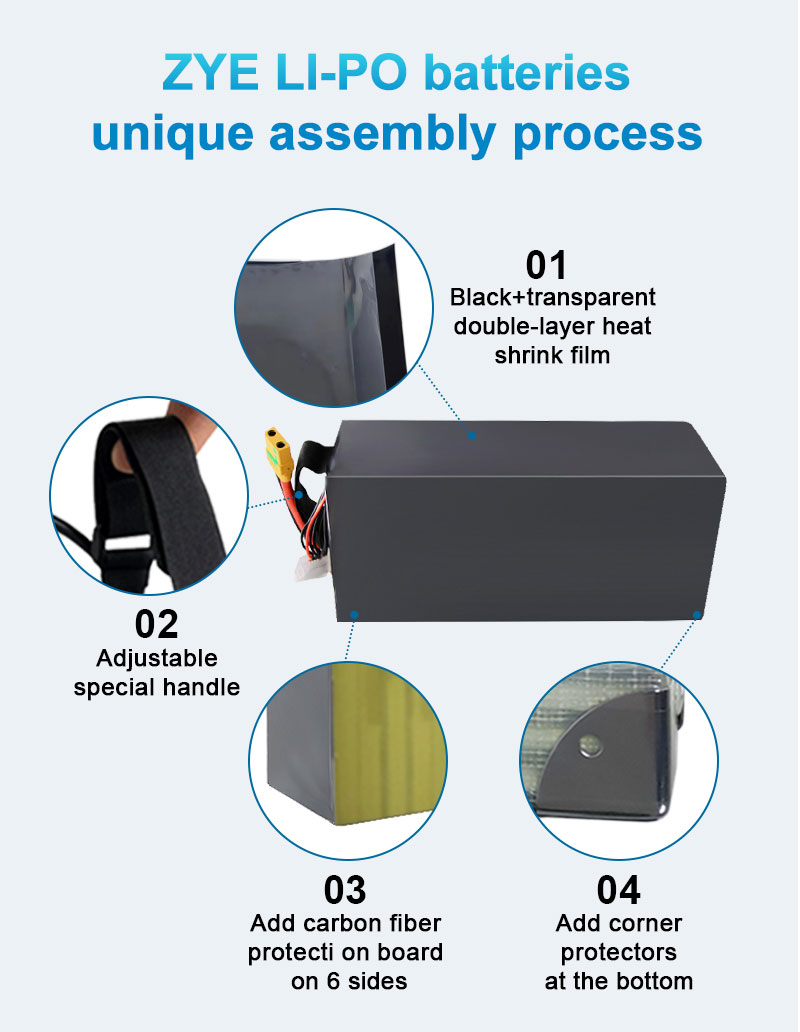
Safety Credentials: This is the #1 advantage. Look for explicit information from the manufacturer about thermal runaway prevention. The solid electrolyte should make the battery inherently more resistant to puncture, overcharging, and swelling. Check for any standardized safety test results.
Weight & Energy Density: One major promise is higher energy density. This means more power in a smaller, lighter package. When comparing, look at the weight-to-capacity ratio. A 1300mAh solid-state pack that weighs 20g less than a LiPo equivalent is a tangible performance gain, leading to longer flight times or more agile handling.
Cycle Life & Warranty: Solid-state batteries should endure many more charge cycles. Manufacturers should advertise a cycle life (e.g., "1000 cycles to 80% capacity"). A longer, more confident warranty period is a strong indicator of the manufacturer's trust in the battery's durability.
3. Assess Physical & Practical Compatibility
New technology must still fit your old gear.
Dimensions and Connector: Carefully check the physical size. Does it fit your drone's battery bay? Ensure the connector type (e.g., XT60, XT30) matches. An adapter is a workaround, but a direct match is always better.
Charging Compatibility: While they can be charged with standard LiPo chargers, ask if the battery has an optimal charging profile. Some may benefit from a slightly different algorithm. Check if the manufacturer provides specific guidance or charger settings for peak performance and longevity.
Flexible Charging & Storage: Recall one of the key benefits: less stress at partial charges. A good manufacturer will confirm that their solid-state drone battery is low-maintenance and can be stored at a wider range of charge levels without significant degradation.
4. Choose a Reputable Source and Manage Expectations
Brand and Manufacturer Trust: This is emerging tech. Invest in companies with proven expertise in battery development and clear technical support. Research reviews and professional user feedback thoroughly.
The Price-to-Performance Ratio: Early-adopter technology often comes at a premium. Evaluate if the increased cost is justified for your use case by the promised benefits: Is the superior safety critical for your expensive drone or indoor operations? Does the weight saving give you a competitive edge?

Your Selection Checklist:
Before buying a solid-state battery for your drone, run through this list:
Voltage matches my drone's system.
Capacity and Weight meet my flight time and performance goals.
Discharge Rate (C) supports my power demands.
Physical dimensions fit my battery compartment.
Manufacturer clearly communicates safety advantages and cycle life.
Charging guidelines are clear and compatible with my equipment.
The warranty is strong, reflecting confidence in the product.
Conclusion
Choosing a solid-state drone battery requires you to be both a traditionalist and a futurist. You must rigorously check the standard specs while also learning to value new metrics like enhanced safety profiles and exceptional cycle life.
Start by integrating them into applications where their strengths shine: in high-value drones where safety is non-negotiable, or in platforms where reducing weight is critical. As the technology matures and becomes more widespread, this careful selection process will ensure you get the revolutionary performance you're paying for.
Send Inquiry



X
We use cookies to offer you a better browsing experience, analyze site traffic and personalize content. By using this site, you agree to our use of cookies.
Privacy Policy
News
 How to build a drone lipo battery pack?2025/08/28