English
 Español
  Português
  русский
  Français
  日本語
日本語  Deutsch
  tiếng Việt
  Italiano
  Nederlands
  ภาษาไทย
  Polski
  한국어
한국어  Svenska
  magyar
  Malay
Malay  বাংলা ভাষার
  Dansk
Dansk  Suomi
Suomi  हिन्दी
  Pilipino
  Türkçe
  Gaeilge
  العربية
  Indonesia
  Norsk
Norsk  تمل
تمل  český
český  ελληνικά
  український
  Javanese
  فارسی
فارسی  தமிழ்
தமிழ்  తెలుగు
  नेपाली
  Burmese
  български
  ລາວ
ລາວ  Latine
  Қазақша
  Euskal
  Azərbaycan
  Slovenský jazyk
  Македонски
  Lietuvos
  Eesti Keel
  Română
  Slovenski
  मराठी
मराठी  Srpski језик

Call Us
+86-15768259626
Email Us
coco@zyepower.com

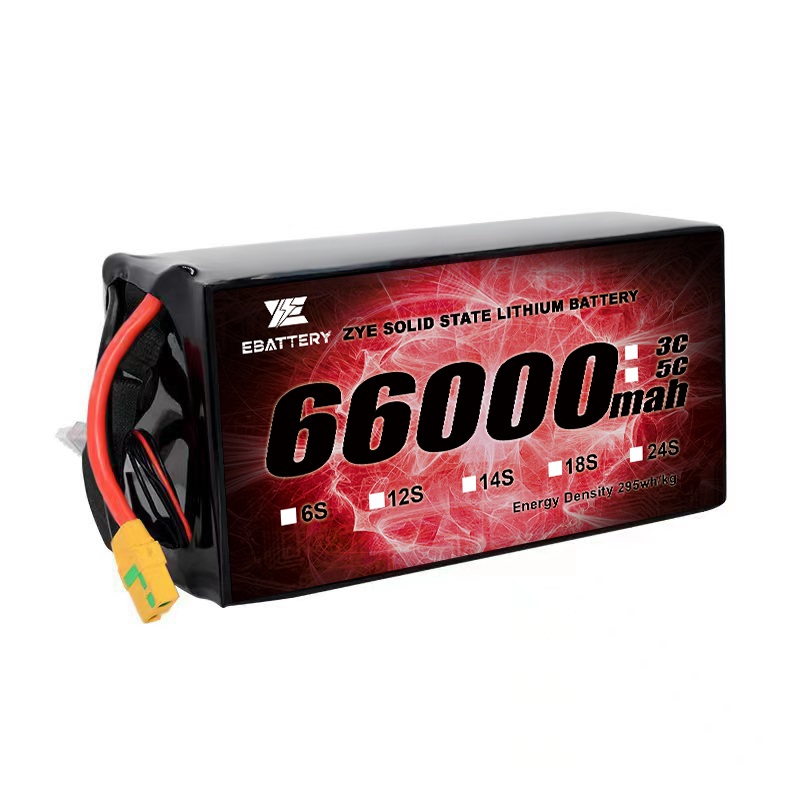
How to Pick the Right Solid-State Drone Battery?
Selecting the best solid-state battery requires balancing the demands of your drone with practical performance, not merely choosing the largest capacity. The following are important things to think about:
Size and Weight: While a larger battery may be able to carry more charge, it also adds weight, which may shorten flight time. The ideal balance between weight and energy capacity must be found by engineers (and operators).
Capacity: Measured in milliampere-hours (mAh), larger capacity implies longer flights—but again, it often comes with extra weight. Set capacity priorities according to the average duration of your missions.
Voltage: The battery’s voltage must match your drone’s power system. Verify compatibility again because mismatched voltage can result in harm or inefficiency.
Connectors: Ensure the battery’s connectors are compatible with your drone’s interfaces. A secure, reliable connection is non-negotiable for safe operations.
BMS Integration: A quality BMS isn’t just a nice-to-have—it’s essential. It keeps the battery within safe parameters, even in high-demand situations, and helps maximize its lifespan.
How Long Do Solid-State Drone Batteries Last?
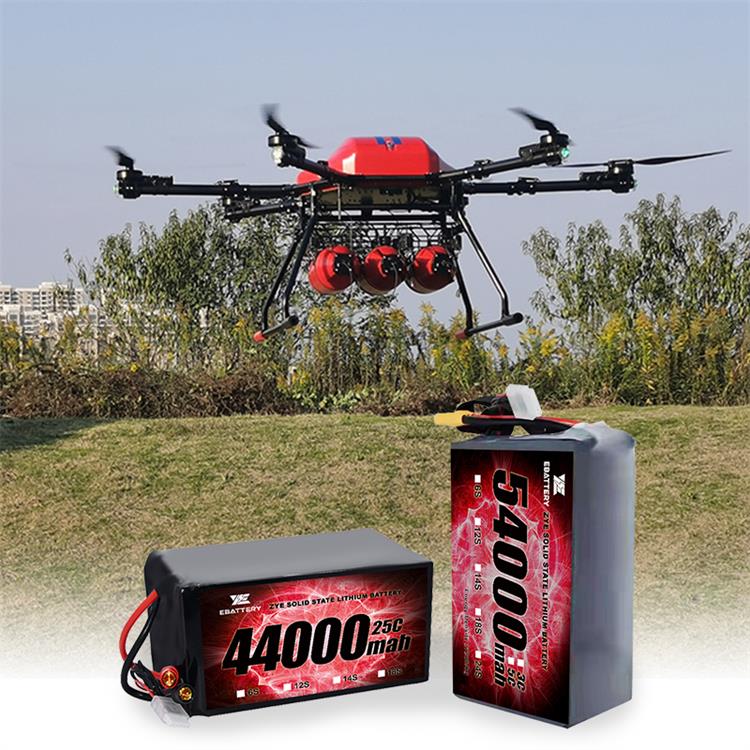
The lifespan of a solid-state drone battery depends on how you use it, how you maintain it, and the environment it operates in. Unlike traditional LiPo batteries, which typically last 300–500 cycles, solid-state batteries can handle 1,000–2,000 cycles. Several factors influence longevity: flight duration and frequency, charge/discharge rates, ambient temperature, battery weight, mechanical stress, and the BMS’s efficiency in monitoring and balancing cells. With proper care—like avoiding extreme temperatures and following recommended charge/discharge practices—a solid-state battery with a robust BMS can perform reliably for years, even with heavy use.
Which Solid-State Batteries Deliver the Longest Flight Time?
Flight time is make-or-break for drone operators, and solid-state batteries excel here. Thanks to higher energy density per unit weight, low self-discharge rates, and efficient power delivery managed by the BMS, they offer significantly longer flights than traditional options. For example, a professional cinematography drone equipped with a high-capacity solid-state battery can stay airborne for 40–50 minutes—compared to just 20–30 minutes with a standard LiPo battery. To maximize flight time further, consider reducing your drone’s payload, using a lightweight frame, and investing in energy-efficient motors—all of which complement the battery’s capabilities.
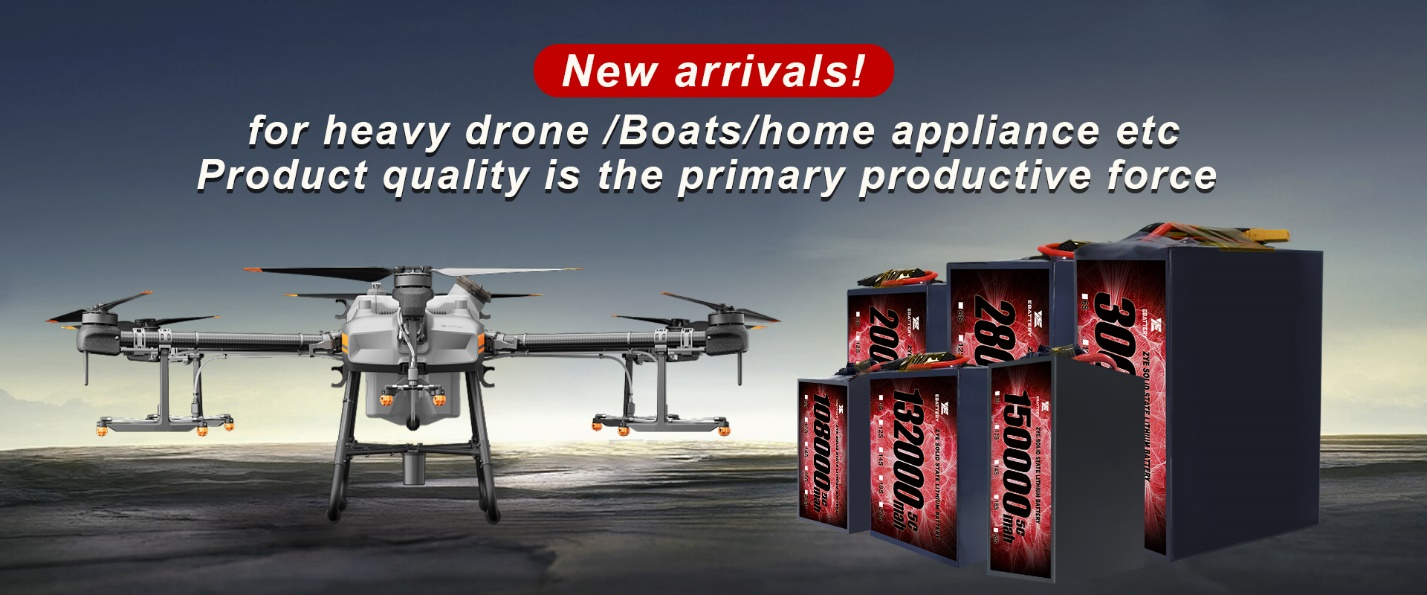
Solid-state drone batteries aren’t just a new trend—they’re a necessity for professionals who need their UAVs to perform reliably, safely, and for longer periods. By understanding how they work, how they compare to other battery types, and how to choose the right one, you can elevate your drone operations and get more out of every mission. Whether you’re mapping a construction site, capturing aerial footage, or conducting industrial inspections, a quality solid-state battery is the power solution you can trust.
Send Inquiry



X
We use cookies to offer you a better browsing experience, analyze site traffic and personalize content. By using this site, you agree to our use of cookies.
Privacy Policy
News
 How to build a drone lipo battery pack?2025/08/28